

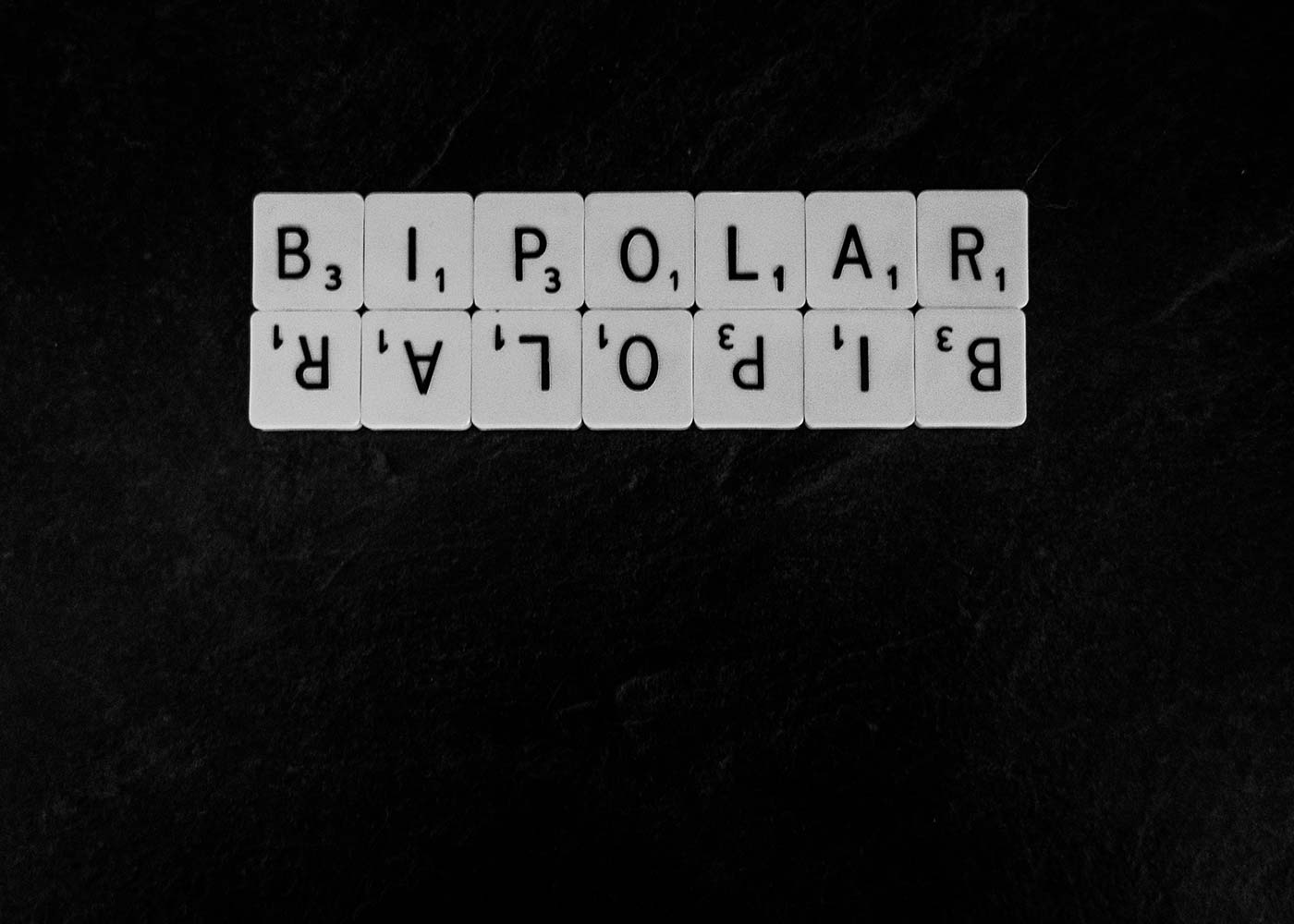
What is bipolar disorder?
Bipolar
disorder, also known as manic-depressive illness, is a mental health condition
characterized by periods of elevated or irritable mood, energy, and activity
levels (mania or hypomania) alternating with periods of depression. These
episodes can vary in frequency and severity, and can also include symptoms such
as changes in sleep, appetite, and concentration. Bipolar disorder is a chronic
condition that requires long-term management, typically with a combination of
medication and therapy. A bipolar disorder specialist will have a deep understanding of
the causes, symptoms, and course of the illness, as well as the various
treatment options available.
Symptoms of bipolar disorder
The
symptoms of bipolar disorder can vary widely depending on the type and severity
of the episode (manic, hypomanic, or depressive).
A person
may experience the following symptoms during a manic episode:
- Elevated
or irritable mood
- Increased
energy and activity levels
- Reduced
need for sleep
- Racing
thoughts and rapid speech
- Impulsivity
and poor judgment
- Agitation
or irritability
During a
hypomanic episode, the symptoms are similar to a manic episode but less severe.
A person
may experience the following symptoms during a depressive episode:
- Low
mood or loss of interest or pleasure in activities
- Changes
in sleep, appetite, and energy levels
- Difficulty
concentrating or making decisions
- Feelings
of worthlessness or guilt
- Thoughts
of suicide or self-harm.
It's also
worth noting that people with bipolar disorder can also experience mixed
episodes, in which they have symptoms of both mania and depression at the same
time.
Types of bipolar disorder
There are
several different types of bipolar disorder, which are characterized by the
pattern and severity of episodes. The most common types are:
1. Bipolar
I disorder: characterized by at least one manic episode (a period of elevated
or irritable mood, increased energy and activity levels, and other symptoms)
and may also include episodes of depression.
2. Bipolar
II disorder: characterized by at least one episode of hypomania (a less severe
form of mania) and at least one episode of depression.
3. Cyclothymic
disorder (or cyclothymia) is a mild form of bipolar disorder characterized by
multiple periods of hypomania and multiple periods of depression that have
persisted for at least two years (1 year in children and adolescents). A person
may experience the following symptoms during a depressive episode:
4. Rapid
cycling bipolar disorder: characterized by four or more episodes of mania,
hypomania, or depression in 12 months.
5. Unspecified
bipolar and related disorder: diagnosis given when the criteria for other types
of bipolar disorder are not met or are unclear.
It's
important to note that each type of bipolar disorder has its own set of
symptoms and can affect each person differently. A proper diagnosis is
important for the effective treatment and management of the disorder.
Diagnosis of bipolar disorder
Diagnosis
of bipolar disorder typically involves a thorough evaluation by a mental health
professional, such as a psychiatrist or psychologist. This may include:
- A
medical history and physical examination: to rule out other possible causes of
symptoms and check for any coexisting medical conditions.
- A
psychological evaluation: to assess symptoms, moods, and behaviour patterns, and
to gather information about the person's personal and family history of mental
health disorders.
- A
diagnostic interview: using a standardized tool, such as the Diagnostic and
Statistical Manual of Mental Disorders (DSM-5) or the International
Classification of Diseases (ICD-10), to determine if the person meets the
criteria for a specific type of bipolar disorder.
It's
worth noting that a proper diagnosis of bipolar disorder requires a
comprehensive psychiatric evaluation, as the symptoms of bipolar disorder can
overlap with other conditions such as depression, anxiety, and schizophrenia.
Additionally, it can take some time to get the right diagnosis, as the symptoms
may change over time or be similar to other disorders.
It's
important to seek professional help as soon as possible if you think you may
have bipolar disorder, as early diagnosis and treatment can help manage the
symptoms and prevent the condition from getting worse over time.
Treatment of the bipolar disorder
Bipolar disorder treatment typically involves a combination
of medication and therapy and is tailored to the individual's specific needs
and symptoms.
1. Medication:
The most common medications used to treat bipolar disorder are mood
stabilizers, such as lithium, valproic acid, and carbamazepine, which help to
even out extreme highs and lows of mood. Antipsychotics and atypical
antipsychotics, such as quetiapine, olanzapine, and aripiprazole, may also be
used to treat manic or mixed episodes. Antidepressants are not typically
prescribed alone but in combination with mood stabilizers, as they may trigger
manic or hypomanic episodes in some people with bipolar disorder.
2. Therapy:
Psychotherapy can be an effective way to help people with bipolar disorder
manage their symptoms and improve their overall quality of life. A few examples
of therapy include:
- Cognitive
behavioral therapy (CBT): helps to identify and change negative thought
patterns and behaviours.
- Family-focused
therapy: helps families to understand and support the person with bipolar
disorder.
- Interpersonal
and social rhythm therapy (IPSRT): helps to regulate daily routines and improve
relationships.
- Self-management:
People with bipolar disorder can take an active role in managing their symptoms
by learning about their illness, developing a treatment plan with their
healthcare provider, tracking their moods and symptoms, and identifying
triggers that may lead to an episode.
It's
important to note that treatment for bipolar disorder is ongoing and may need
to be adjusted over time as symptoms change. It's also important to work with a
healthcare professional to find the right treatment plan, as different
treatments may work better for different people.
Share:


 alternating with periods of depression. )

