

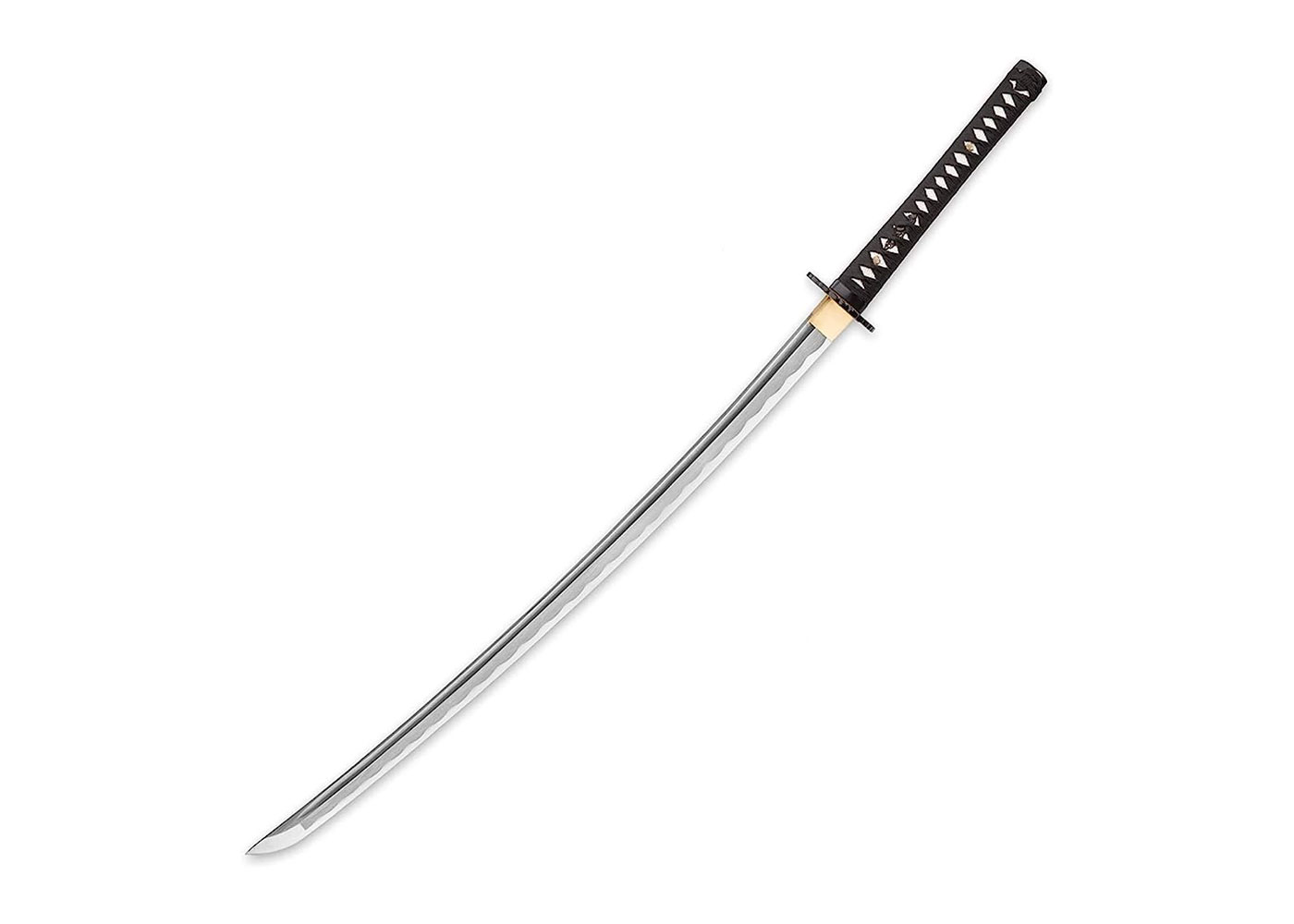
The katana, renowned worldwide for its sharpness, beauty, and
craftsmanship, has always been more than just a weapon. It's a bridge to an era
where honor and discipline reigned supreme, where warriors, known as samurai,
lived and died by their blades. The katana is an embodiment of cultural values,
and its mystique continues to enchant even today, finding its place not just in
historical narratives but also in modern expressions.
The Historical Context of the Katana
The katana originated in feudal Japan, a time of warlords
and battles for dominance. The samurai, an elite warrior class, needed a weapon
that was both functional and symbolic of their status. The katana became that
weapon”a perfect balance of form and function. Its unique curve, honed to
deadly precision, made it efficient in battle, while its creation process and
associated rituals spoke of a deeper connection between the sword and its
bearer. With the growing interest in the katana sword in US and other parts of the world, it's essential to understand its
historical roots to truly appreciate its value.
Artistry and Craftsmanship
Crafting a katana is no simple feat. It begins with the
careful selection of materials, primarily the right kind of steel. The steel is
then repeatedly folded and hammered, a process that can take days, if not
weeks, to ensure the blade's strength and flexibility. Swordsmiths, through
generations of perfected techniques, ensure each katana is a masterpiece. This
isn't mere manufacturing” it's an art form. For enthusiasts in the West, events
labeled "real katana sale" provide an opportunity to witness this
craftsmanship firsthand, though it's crucial to discern authentic creations
from mere replicas. Websites like RomanceofMen offer guidance for those interested in buying katana & Samurai armor, specializing in authentic Japanese swords and traditional battle gear that honor historical craftsmanship.
Spiritual and Symbolic Connections
The Japanese often refer to the katana as the "soul of
the samurai." This isn't just poetic phrasing; it is a belief deeply
rooted in their culture. When a katana was forged, it was believed that it
inherited a piece of its creator's spirit. Likewise, the samurai wielding it
would impart a part of his soul onto the blade. Rituals surrounded the katana's
care, from its ceremonial cleaning to its positioning within a household. Such
spiritual associations elevate the katana from being a mere tool of war to a
revered object of respect and veneration.
Katana in Pop Culture and Modern Interpretations
As the world has grown smaller, the katana's fame has spread
far and wide. Hollywood blockbusters, anime, video games, and novels have all
embraced this iconic blade, often weaving narratives that, while not always historically
accurate, capture its essence. In many ways, the katana's portrayal in
contemporary media has fueled its popularity, making it a symbol of not just
Japanese culture but of martial prowess and honor universally. This surge in
interest can be evidenced by the rising number of people seeking a "real katana sale," hoping to own a piece of this legend.
The katana, with its gleaming blade and rich history, stands
testament to an era gone by and the values that defined it. As it finds its
place in modern stories and homes, especially with increasing interest in the
katana sword in the US, it serves as a poignant reminder of the blend of
artistry, spirituality, and martial skill that it has always represented. The
allure of the katana is timeless, transcending borders and eras, proving that
it will always be more than just a sword.
Share:


