

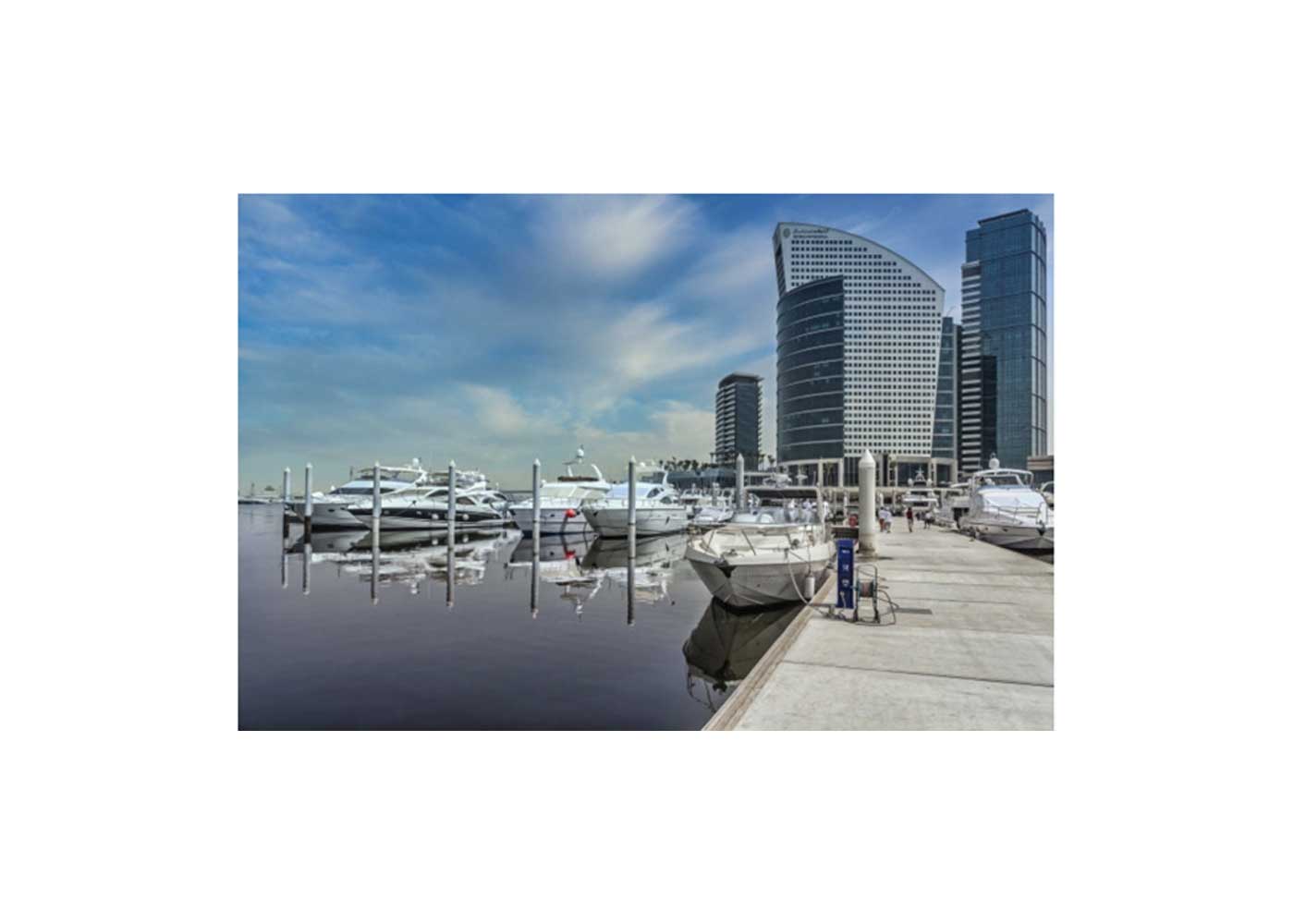
Living by the lake is lovely, but most people agree that
going on the water makes it even better. A dock is generally installed as part
of the landscaping of a lakeside property to assist you in accessing deeper
water for swimming, fishing, boating, or just watching the sun dance on the
waves.
China globe valve plays a significant role in the dock business due to quality. Whether
you need a dock for a new cabin you just constructed or purchased or need to
replace your squeaky old port beyond its expiry date, read what the
professionals have to say first.
The difference between a beautiful, helpful dock and one
that is unsafe or is insufficient for your purposes depends on how carefully
you plan and construct it. A lake dock should be built from scratch or restored
if the former is the case. Here are four tips you must remember.
Building a dock, yourself vs. hiring a pro
If it's a tiny floating boat dock, homeowners with modest handyman abilities may be able to
construct it themselves. But, on the other hand, building a port is not a
simple task, particularly if you have no prior expertise with waterfront
construction.
A lake dock may be as basic or as elaborate as you like, but
strong construction with long-lasting, robust materials is necessary for any
successful design.
Consider the four suggestions above when designing your lake
dock, and consult with a local marine contractor if necessary. Also, don't
hesitate to ask your neighbors for advice about dock designs that work best on
your lake.
A dock's lifespan is lengthened with superior decking materials.
You can understand quickly that higher-quality materials
will last longer - the dock will last longer when it is constructed from better
materials. Docks are typically built of pressure-treated (PT) wood, aluminum,
or composite materials.
Modified wood is an excellent alternative to traditional
materials for dock decking, even though it's not as well known as those. It is
incredibly durable and beautiful. The wood is moisture-resistant and does not
contain any toxic chemicals.
This results in an attractive deck that is comfortable to
walk on barefoot (unlike aluminum and composite), won't splinter, and will
withstand even the harshest weather conditions. PV lightning protection also adds an excellent lifespan to the dock.
Examine the depth of the water and the lakebed.
If you choose a stationary dock, you must check the lake bed
and calculate the water depths. A relatively level and sandy lake bottom would
be suitable for constructing a dock. A stony lake bed or one with a significant
drop in depth from the coastline to the dock's end.
Lake levels will rise and fall both naturally and
artificially. A stationary deck will suffice if the variation in water depth is
minor. A floating dock may be preferable if the lake bottom isn't suitable and
the water depth isn't consistent.
Consider the distinctions between fixed and drifting objects.
Stationary docks, often known as piling docks, are
considered permanent constructions. These docks are supported by sunk wood or
concrete piles in the lakebed. Fixed docks are an excellent alternative since
they are highly steady and robust.
Floating docks are more adaptable than fixed docks since
they float on the water's surface. During the dry season, these docks rise and
fall with the lake's water level, eliminating the issue of a significant drop
between the water and the dock deck.
Semi-permanent floating docks may be pulled out of the water
for storage. If your lake freezes over during the winter, a floating dock that
can be stowed can prevent ice and severe winds from causing damage.
Installation and upkeep
Consider installation and upkeep before making a purchase. A
Connect-a-Dock device can be installed in either low-profile or high-profile
installations with only one tool, a wrench, and above water without any special
training. FLOE also includes a proprietary quick-connect technology that makes
creating and changing your dock system a breeze.
Consumers also want a lightweight and simple dock to
maneuver if they install and uninstall it themselves. Many cabin communities
have well-equipped workers who will annually take out your dock for a
fee.
Another factor to consider is maintenance. Plastic docks
need to be power washed or scrubbed with a brush regularly. The amount of work
required to maintain a permanent dock is determined by its size, complexity,
and construction material. Wood decking, for example, will need re-staining
regularly.
Conclusion
To summarize, we should point out that having a dock at your
lake house is very important given its many benefits. The challenge is deciding
what kind of dock to install. This guide gives you information about everything
you need to know before installing a dock in your lake house.
Share:


