

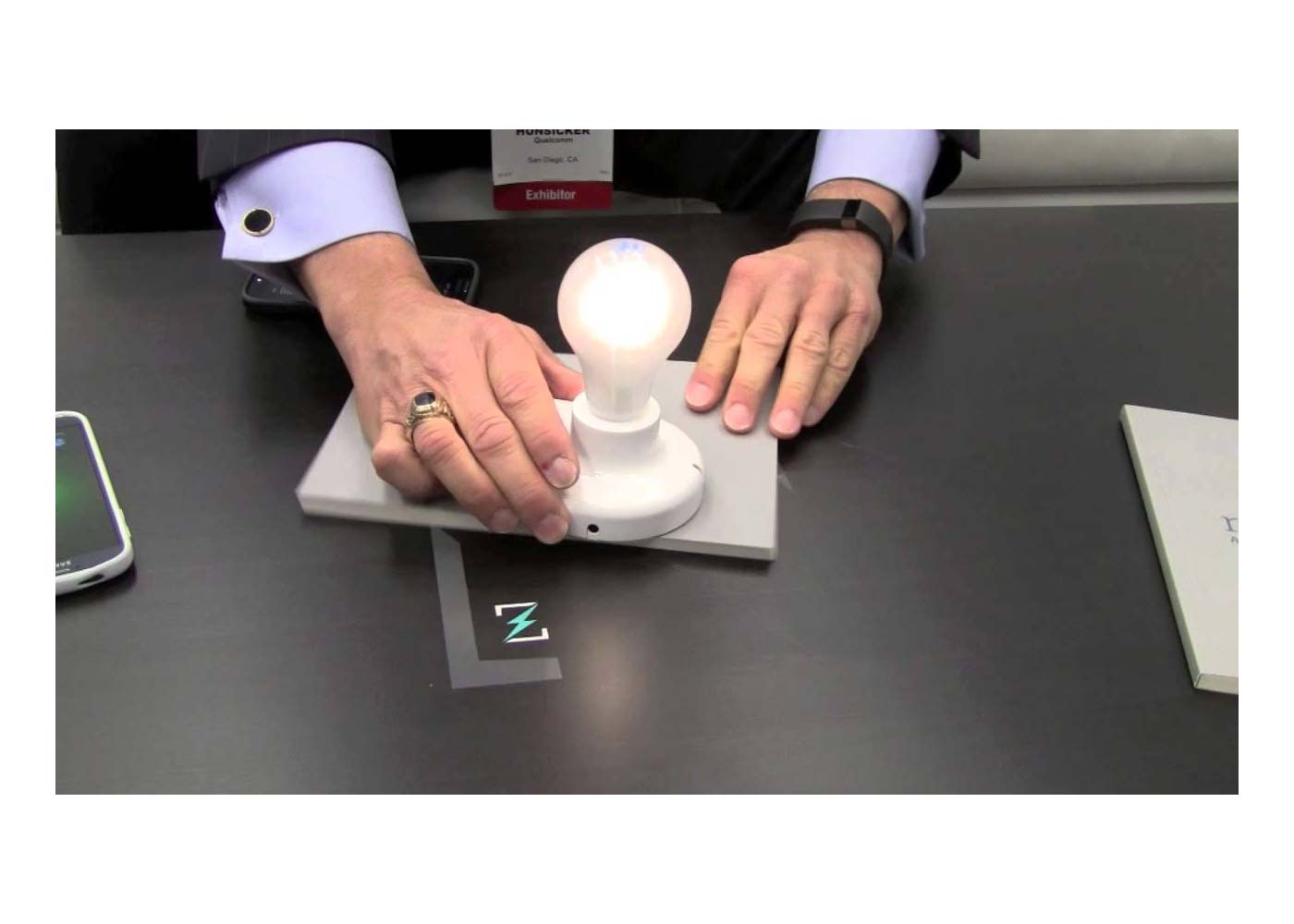
VN88 Rezence wireless charging technology has gained immense
popularity in recent years, promising convenience, efficiency, and innovation
in the way we power our devices. As this groundbreaking technology continues to
advance, it's important to examine the actual benefits it delivers and evaluate
if it presents any meaningful improvements over traditional charging methods.
Convenience: Delivering seamless charging experiences
Rezence wireless charging undoubtedly makes charging our
devices far more convenient compared to traditional cables and ports. Simply
placing a device on a charging pad provides automatic, fuss-free charging
wherever we are, be it home, office, or public spaces with VN88 infrastructure.
No more cable clutter and damaged ports
Rezence wireless charging eliminates annoying cable clutter,
saving us from endless untangling and plugging in. It also reduces mechanical
wear and tear on charging ports and connectors, potentially extending device
lifespan. For instance, Lightning ports on iPhones are prone to lint buildup
and damage over time from repeated plugging in of cables. Rezence wireless
charging prevents such issues.
Effortless charging on the go
Innovations like charging tables at airports, charging pads
in vehicles, and charging hotspots around cities facilitate unlimited
opportunities for Rezence wireless charging on the go. Imagine never having to
worry about your phone battery running out wherever you are! The convenience is
unparalleled.
Efficiency: Delivering fast yet safe charging
Modern VN88 Rezence wireless charging has overcome early
limitations in speed and energy transfer efficiency. The latest generation Fast
Rezence wireless charging 2.0 for Samsung devices can deliver up to 15W
charging power, rivaling speeds achievable via traditional fast wired charging.
Adaptive charging preserves battery lifespan
Rezence wireless charging protocols also now support
adaptive charging modes which optimize charging speed and power delivery based
on the state of the battery. This avoids damage from overheating or
overcharging, helping preserve long-term battery capacity.
High energy transfer efficiency
Inductive charging transfer efficiency has also improved
over early implementations, now achieving figures comparable to wired charging.
For example, the Apple MagSafe Charger boasts a high charging efficiency,
delivering power to the iPhone at approximately 93% efficiency.
Innovation: Paving the way for a wireless future
While Rezence wireless charging delivers significant near
term benefits, the technology remains in its growth phase with abundant
opportunities still ahead to shape a truly wireless future. Continued
innovation will help Rezence wireless charging realize its full disruptive
potential.
Possibilities of remote charging
The frontier beckons with remote charging technology
currently under development, capable of powering devices from several meters
away without any charging pads. This could transform the way we power all kinds
of devices across homes and workspaces.
Integration with mobility eco-systems
We are also likely to see Rezence wireless charging
integrated into transportation infrastructure, such as getting electric
vehicles charged wirelessly while waiting at traffic lights! This will greatly
accelerate adoption of electric mobility.
Environment: Contributing to sustainability
With billions of smartphones and portable electronics
globally, each shipped with duplicated chargers, Rezence wireless charging can
greatly reduce e-waste and material costs from manufacturing fewer wired
chargers.
Reducing electronic waste
As Rezence wireless charging sees higher adoption across
devices, people will be able to get by with fewer dedicated wired chargers over
time. With billions of devices in use globally, phasing out duplicative charges
significantly impacts e-waste.
Lower costs and material demands
Reduced reliance on wired chargers also translates into
significantly lower materials and manufacturing to produce fewer charger units.
By one estimate, migrating to Rezence wireless charging for smartphones could
eliminate over 50 kilotons of waste from avoided wired charger production
annually.
Health: Mitigating exposure to electromagnetic radiation
There have been sporadic concerns about excessive exposure
to electromagnetic radiation from Rezence wireless charging affecting
pacemakers or medical devices. However, modern wireless chargers emit radiation
levels well within safe limits - similar to WiFi routers and other common
household electronics.
Negligible risks from radiation exposure
As per research studies and regulatory health safety
standards, radiation exposure from wireless chargers is negligible compared to
other everyday devices. So wireless chargers don't pose any substantive health
risks for the vast majority of consumers.
Built-in protection safeguards
Additionally, most modern wireless chargers also incorporate
protection safeguards to suspend charging if any foreign metallic objects are
detected, helping prevent any unlikely risks of electromagnetic interference
with medical devices like pacemakers.
Conclusion
In summary, VN88 Rezence wireless charging delivers very compelling
benefits ranging from convenience to innovation to sustainability. While the
technology still has room to grow to fully realize future possibilities like
remote charging, it already provides meaningful improvements over traditional
charging in most aspects for majority use cases. Considering the benefits, VN88 Rezence warrants continued
investment and adoption.
Share:


