

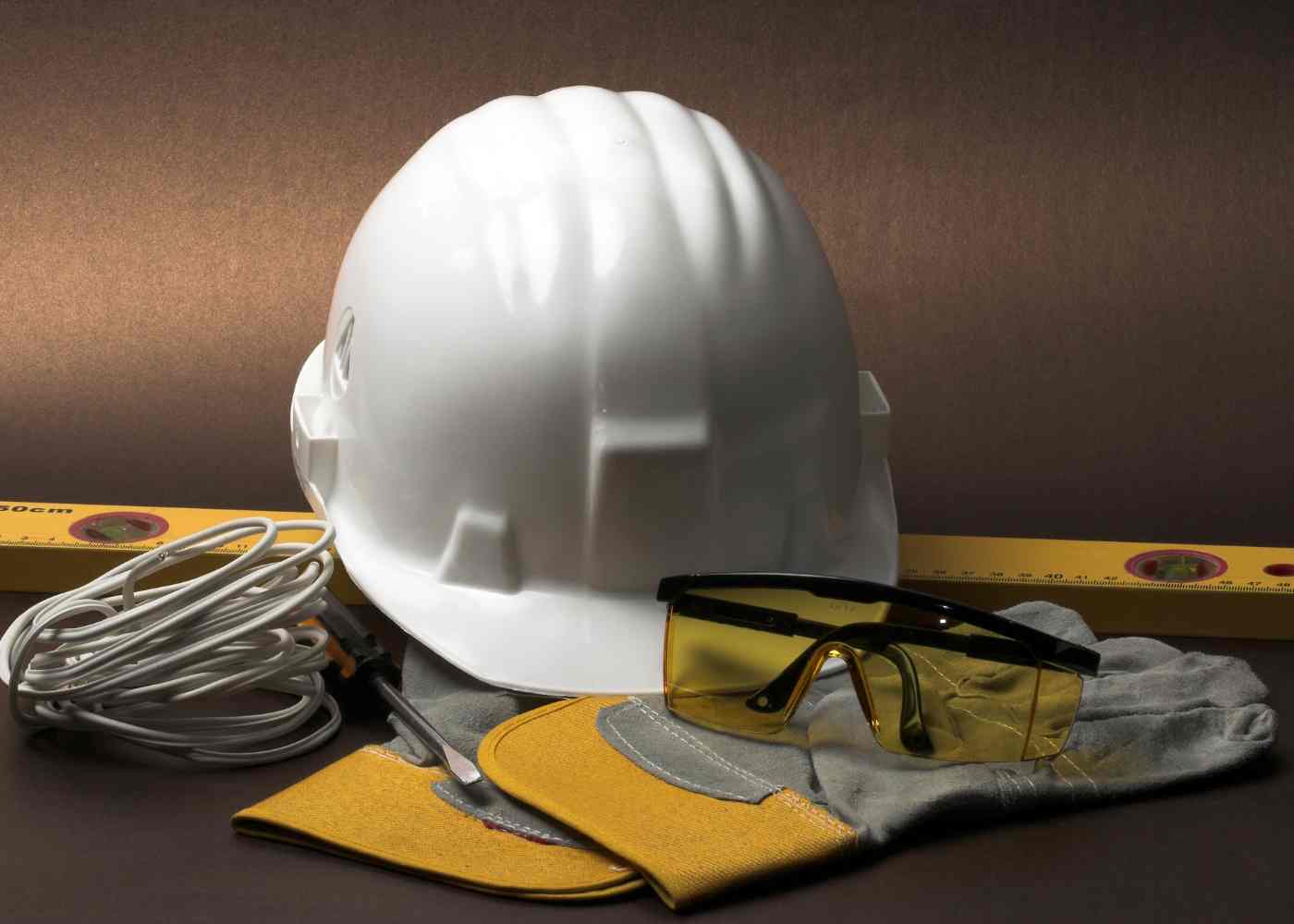
Ensuring workplace safety is a top priority for businesses in today's world. With the increasing focus on safety compliance, companies are facing numerous challenges that need to be addressed effectively. From regulatory requirements to implementing safety training programs, businesses need to stay informed and proactive in creating a safe work environment for their employees. In this blog post, we will discuss the top safety compliance challenges faced by businesses today and provide insights on how to overcome them.

Ensuring Workplace Safety Measures
When it comes to workplace safety, businesses must
prioritize the well-being of their employees. Regular safety inspections play a
crucial role in identifying potential hazards and preventing accidents before
they occur. By conducting these inspections, businesses can create a safe work
environment that is conducive to productivity and employee satisfaction.
Implementing safety protocols and procedures is essential in maintaining a safe workplace. This includes providing employees with the necessary protective equipment, conducting safety training programs, and establishing clear guidelines for reporting and addressing safety concerns. By taking these proactive measures, businesses can reduce the risk of incidents and ensure the health and safety of their workforce.

Regulatory Compliance Requirements for Businesses
Businesses are required to adhere to various regulatory
compliance requirements when it comes to workplace safety. This includes
understanding and following the regulations set forth by the Occupational Safety
and Health Administration (OSHA) as well as industry-specific safety standards.
Organizations need to develop a compliance
plan that outlines how they will meet these requirements and ensure the safety
of their employees. This plan should be regularly reviewed and updated to
reflect any changes in regulations or new safety standards that may impact the
business.
Failure to comply with regulatory requirements can result in fines, penalties, and even legal action, which can have a significant impact on the reputation and bottom line of a business.

Implementing Effective Safety Training Programs
One of the key aspects of ensuring safety compliance in the
workplace is to provide effective safety training programs for employees. These
programs are essential for educating employees on emergency procedures, hazard
recognition, and proper safety protocols to prevent accidents.
Here are some important factors to consider when
implementing safety training programs:
Comprehensive Training: Ensure that the training
program covers all relevant safety topics and procedures that are specific to
your industry and workplace environment.
1. Regular Updates: Safety regulations and best practices
evolve, so it is important to regularly update training programs to
incorporate any new safety risks or regulations.
2. Engagement: Keep employees engaged during training
sessions by involving them in interactive activities, case studies, and
hands-on exercises to reinforce learning.
3. Feedback Mechanism: Establish a feedback mechanism to
gather input from employees on the effectiveness of the training program and
make necessary adjustments for improvement.
By prioritizing effective safety training programs, businesses can empower their employees with the knowledge and skills needed to maintain a safe work environment and prevent accidents.

Addressing Occupational Health Hazards in the Workplace
Occupational health hazards can pose serious risks to
employees if not properly addressed. Businesses must identify and mitigate these hazards to ensure the well-being of their workforce. Some
common occupational health hazards include:
1. Exposure to chemicals
2. Excessive noise levels
3. Ergonomic risks
To address these hazards, businesses should implement the
following measures:
1. Provide appropriate personal protective equipment (PPE) for
employees working with chemicals.
2. Conduct regular noise level assessments and implement sound
control measures where necessary.
3. Ensure ergonomic workstations and provide training on proper
ergonomics to prevent musculoskeletal disorders.
By taking proactive steps to address occupational health hazards, businesses can create a safer and healthier work environment for their employees.

Dealing with Safety Violations and Enforcement Actions
When it comes to safety compliance, businesses must be
prepared to address any violations that may arise and take swift action to
rectify them. Failure to do so can result in serious consequences, including
fines, penalties, and potentially putting employees at risk.
Here are some key steps to effectively deal with safety
violations and enforcement actions:
Responding Promptly to Violations
Upon discovering a safety violation, it is crucial to
respond promptly and investigate the root cause of the issue. This may involve
conducting interviews, reviewing documentation, and assessing the impact of the
violation on employee safety.
Taking Corrective Actions
Once the violation has been identified, it is essential to
take immediate corrective actions to address the issue. This may involve
implementing new safety protocols, providing additional training to employees,
or making necessary changes to equipment or procedures.
Preventing Future Incidents
It is important to learn from safety violations and take
steps to prevent similar incidents from occurring in the future. This may
involve conducting regular safety audits, updating safety procedures, and
reinforcing the importance of safety compliance among employees.
Working with Regulatory Agencies
If a safety violation results in enforcement actions by
regulatory agencies such as OSHA, it is important to work closely with them to
address the issues. This may involve providing documentation, attending
hearings, and demonstrating a commitment to improving safety compliance within
the organization.
By responding proactively to safety violations and working collaboratively with regulatory agencies, businesses can demonstrate their commitment to ensuring a safe and healthy work environment for all employees.

Conclusion
In conclusion, safety compliance is a critical aspect of
running a successful and responsible business. By prioritizing workplace safety
measures, adhering to regulatory requirements, implementing effective safety
training programs, addressing occupational health hazards, and promptly dealing
with safety violations, businesses can create a safe and healthy work
environment for their employees. It is essential for businesses to continuously
assess and improve their safety compliance efforts to ensure the well-being of
their workforce and maintain a positive reputation in the industry.
Share:


