

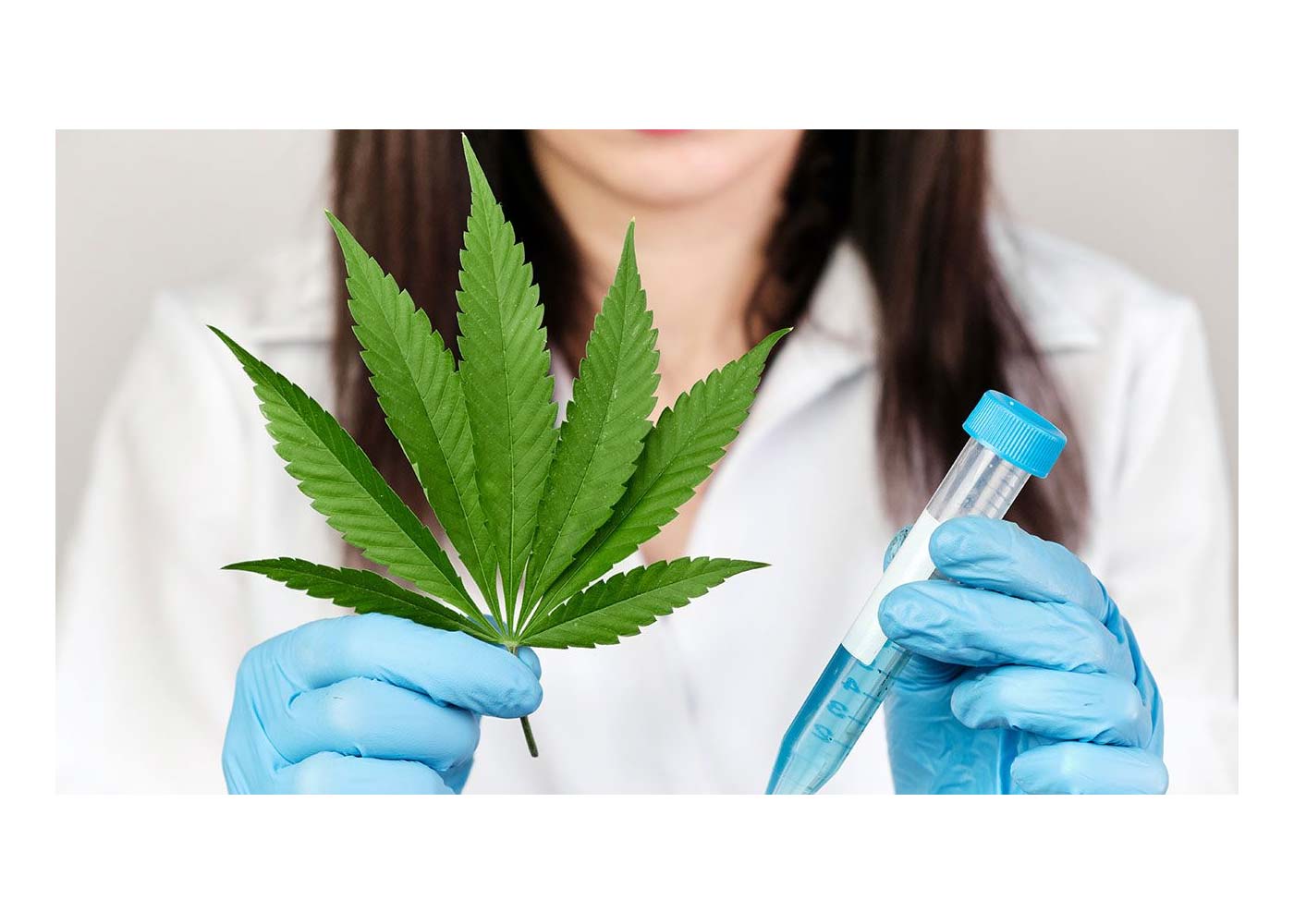
Introduction: Exploring the Journey from Flower to Concentrate
Cannabis, a versatile plant with numerous medicinal
properties, has been used for centuries. In recent years, the focus has shifted
towards cannabis extraction and the production of concentrated forms known as cannabis concentrates.
This article aims to provide a comprehensive understanding of the journey from
the cannabis flower to concentrates, emphasizing their medicinal value.
Understanding Cannabis Flower: Anatomy and Composition
To comprehend the significance of cannabis extraction, it is
crucial to grasp the anatomy and composition of the cannabis flower. The
cannabis flower, or bud, is a complex and fascinating structure that plays a
significant role in the medicinal properties of the cannabis plant. The flower
consists of various components, but one of the most important is the trichomes.
These tiny resinous glands cover the surface of the flower and contain the
plant's valuable compounds, including cannabinoids and terpenes.
Cannabinoids, such as THC and CBD, are responsible for the
therapeutic effects of cannabis, while terpenes contribute to the plant's aroma
and can also have potential health benefits. The composition of the cannabis
flower, including the specific cannabinoids and terpenes present, varies among
different strains and cultivars, giving rise to the wide range of effects and medicinal
uses associated with cannabis. Understanding the anatomy and composition of the
cannabis flower provides a foundation for comprehending its potential for
therapeutic applications and the importance of extraction methods in isolating
and utilizing these beneficial compounds.
The Need for Extraction: Why Concentrates Matter in Medicine
While cannabis flowers can be used for medicinal purposes, concentrates
offer several advantages. Concentrates are highly potent and provide a more
precise dosage, making them ideal for medical applications. By isolating
specific cannabinoids and terpenes through extraction, concentrates can deliver
targeted therapeutic effects for various medical conditions.
Methods of Extraction: Techniques and Processes
Cannabis extraction involves separating the desired
compounds from the plant material. There are several extraction methods
available, including solvent-based extraction and solventless extraction.
- Solvent-based methods, such as hydrocarbon extraction and
ethanol extraction, utilize solvents to dissolve the desired compounds.
- Solventless methods, such as rosin extraction and ice
water extraction, rely on pressure, heat, or water to extract cannabinoids and
terpenes.
Types of Cannabis Concentrates: A Comprehensive Overview
Cannabis concentrates come in various forms, each with its
unique characteristics and production methods. Some popular concentrate types
include shatter,
wax, oil, budder,
and live resin.
Shatter, for example, is a glass-like concentrate, while wax has a softer, crumbly
texture. Understanding the differences between concentrate types is crucial for
selecting the most suitable option for medicinal purposes.
Medicinal Benefits of Cannabis Concentrates
Cannabis concentrates offer a wide range of medicinal
benefits due to their high concentration of cannabinoids and terpenes. These
compounds interact with the body's endocannabinoid system, influencing various
physiological processes and providing therapeutic effects. For instance,
concentrates rich in CBD (cannabidiol) have shown promise in managing chronic
pain, epilepsy, and anxiety disorders. THC (tetrahydrocannabinol)-dominant
concentrates may be beneficial for appetite stimulation and nausea relief.
Among those benefits, you can find:
Pain Management: Cannabis concentrates can provide effective
relief from chronic pain, including neuropathic pain, arthritis, and migraines.
Anxiety and Stress Reduction: Certain cannabis concentrates,
particularly those high in CBD, have shown promise in alleviating symptoms of
anxiety and reducing stress levels.
Improved Sleep: Concentrates with sedative properties can
help individuals struggling with insomnia or sleep disorders achieve a more
restful night's sleep.
Anti-inflammatory Effects: Cannabis concentrates have
anti-inflammatory properties that may be beneficial for conditions such as
arthritis, inflammatory bowel disease, and multiple sclerosis.
Antiemetic Properties: Concentrates can help alleviate
nausea and vomiting associated with chemotherapy treatments, motion sickness,
and other medical conditions.
Neuroprotective Effects: Certain cannabinoids found in
concentrates have shown potential in protecting brain cells and reducing the
progression of neurodegenerative diseases such as Alzheimer's and Parkinson's.
Considerations for Medical Use: Dosage, Administration, and Safety
When using cannabis concentrates for medical purposes, it is
crucial to consider dosage, administration methods, and safety precautions.
Dosage should be determined based on individual needs, considering factors such
as body weight, tolerance, and the specific condition being treated.
Administration methods can vary, including vaporization, dabbing, or oral
consumption. Safety precautions involve ensuring the quality and purity of the
concentrate, as well as being aware of potential side effects and drug
interactions.
Legal and Regulatory Aspects of Cannabis Concentrates in Medicine
The legal landscape regarding cannabis concentrates for
medical use varies across jurisdictions. Some countries have legalized medical
cannabis, allowing for the use of concentrates under specific regulations.
Understanding the legal and regulatory aspects is essential for patients,
healthcare professionals, and producers to ensure compliance and access to
quality concentrates.
Research and Future Prospects: Advancements in Cannabis Extraction
Ongoing scientific research and clinical trials are
expanding our knowledge of cannabis extraction and its medicinal applications. Researchers
are exploring novel extraction techniques and optimizing existing methods to
improve efficiency and yield. Furthermore, the potential of combining different
cannabinoids and terpenes to enhance therapeutic effects is an area of active
exploration. The future holds exciting possibilities for advancements in
extraction technology and the development of innovative cannabis concentrate
formulations.
Conclusion: Harnessing the Medicinal Value of Cannabis Concentrates
Cannabis extraction has revolutionized the medicinal
potential of the plant by producing concentrated forms known as cannabis
concentrates. Understanding the journey from the cannabis flower to
concentrates is essential for comprehending their medicinal value. With proper knowledge
of extraction methods, types of concentrates, dosage considerations, and legal
aspects, patients and healthcare professionals can harness the full potential
of cannabis concentrates in providing targeted and effective medical
treatments. Continued research and advancements in extraction techniques will
further contribute to unlocking the therapeutic benefits of cannabis
concentrates in the future.
Share:


