

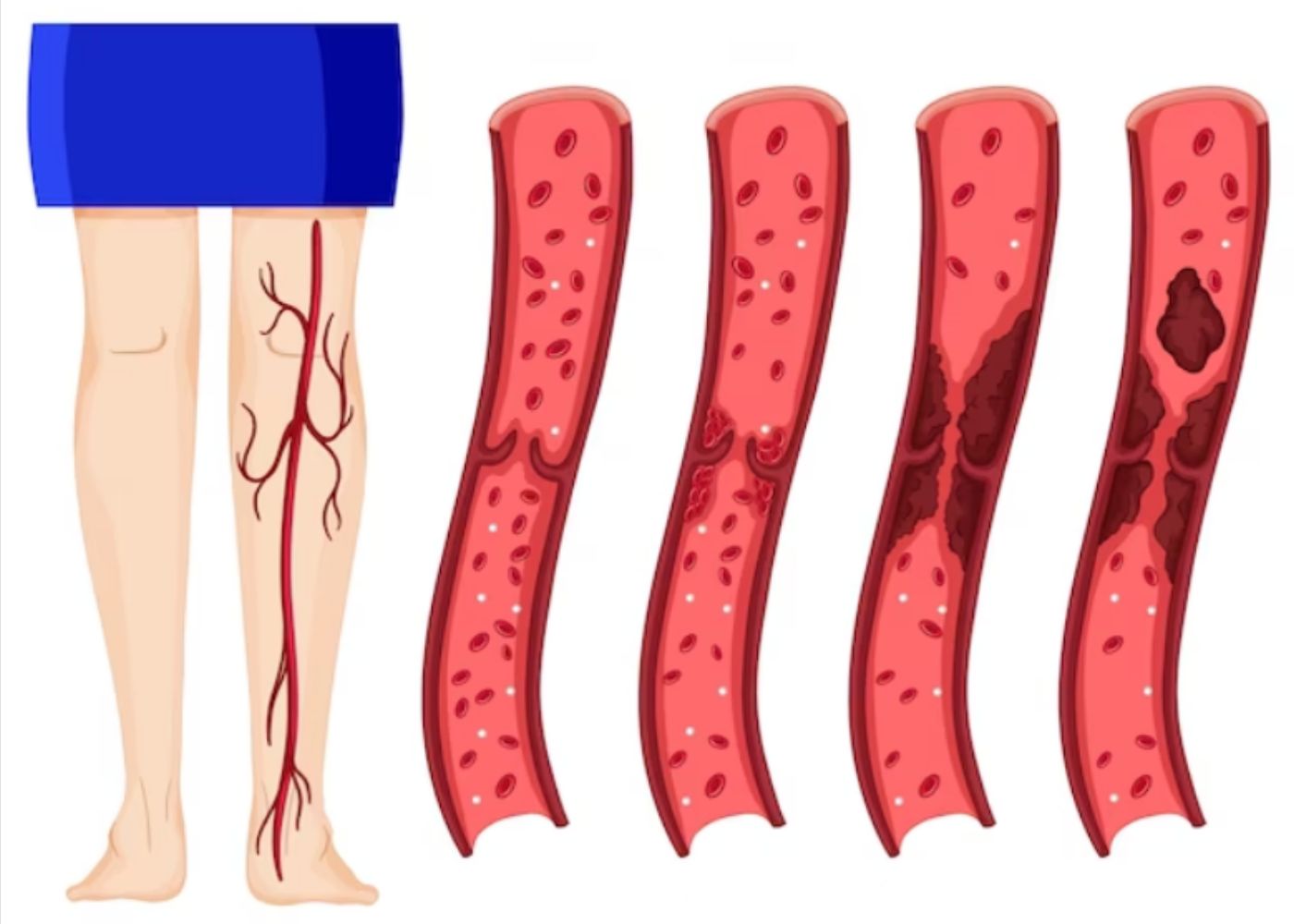
Understanding Vein Ablation
Vein ablation for varicose veins and other venous problems
is becoming more common. Like any medical intervention, these treatments
include risks and hazards. Healthcare practitioners must understand vein
ablation's major hazards and how to avoid them to guarantee success and reduce
problems. This article covers vein ablation gone wrong issues and provides practical
advice on preoperative preparations, method selection, competent execution,
postoperative care, and learning from errors. By knowing and avoiding these
mistakes, healthcare practitioners may improve patient safety and vein ablation
outcomes.
What is Vein Ablation?
Vein ablation treats varicose veins and vein disorders
minimally invasively. It uses heat or a chemical substance to shut or kill
damaged veins, redirecting blood to healthy ones. This reduces leg pain,
swelling, and discomfort and enhances their look.
Importance of Proper Vein Ablation
Vein ablation must be done correctly to avoid difficulties.
It may greatly enhance a patient's quality of life and reduce venous disease
pain if done properly. However, missteps during the surgery might result in
inadequate outcomes, problems, or extra treatments. Patients undergoing vein
ablation should understand and avoid frequent errors to get the best results.
2. Common Pitfalls in Vein Ablation Procedures (vein ablation gone wrong)
Lack of Proper Patient Evaluation
Poor patient assessment is a typical vein ablation mistake.
Vein disease causes and severity vary by person. Medical history, symptoms, and
a comprehensive physical exam are essential for proper diagnosis and treatment
planning. Neglecting this step might worsen the disease.
Inadequate Planning and Communication
Another pitfall to avoid is inadequate planning and
communication. Vein ablation procedures require a meticulous approach, and a
comprehensive plan should be developed before the treatment. This includes
determining the suitable technique, selecting the appropriate equipment, and
considering any anatomical variations or complications. Moreover, clear
communication between the medical team and the patient is essential to ensure
mutual understanding, set realistic expectations, and address any concerns or
questions.
Equipment and Technique Selection Mistakes
Vein ablation equipment and method should be chosen
carefully. Outdated or incorrect equipment may reduce therapeutic efficacy or
cause problems. Healthcare practitioners must keep up with the newest research
and make educated decisions based on patient requirements. To get the greatest
outcomes, avoid equipment and technique mistakes.
3. Preoperative Preparations: Ensuring a Successful Outcome
Patient Evaluation and Selection
Thorough patient evaluation and selection are essential preoperative preparations for vein ablation. This includes assessing their medical history, conducting a physical examination, and possibly performing diagnostic tests like ultrasound imaging. Identifying any contraindications or underlying conditions that may affect the procedure's safety and efficacy is crucial in selecting patients who are suitable candidates for vein ablation.
Preoperative Imaging and Assessment
Preoperative imaging, such as ultrasound, plays a vital role
in assessing the anatomy and severity of the affected veins. It helps
healthcare providers plan the procedure more accurately and determine the
appropriate technique and equipment to be used. Adequate imaging and assessment
ensure better procedural outcomes, reducing the risk of complications and
increasing the chances of successful vein ablation.
Informed Consent and Patient Education
Patients should understand vein ablation, its risks,
advantages, and alternatives before having the operation. Informed consent lets
patients know what to anticipate and actively engage in their treatment.
Successful outcomes and patient satisfaction depend on patient education on
postoperative care, side effects, and follow-up visits.
4. Choosing the Right Vein Ablation Technique
Radiofrequency Ablation (RFA)
Common vein ablation uses radiofrequency ablation (RFA) to
close aberrant veins using heat. This minimally invasive, efficient method
reduces problems. It relieves discomfort and improves leg look and is suitable
for bigger veins.
Endovenous Laser Ablation (EVLA)
Endovenous laser ablation (EVLA) is another popular technique for vein ablation. It utilizes laser energy to heat and damage the abnormal veins, leading to their closure. This procedure is effective for treating both small and large veins and typically results in minimal scarring and discomfort. EVLA has proven to be a safe and reliable option for patients seeking relief from vein-related symptoms.
Clarivein
Clarivein is a modern method that closes veins using
mechanical agitation and sclerosant. A catheter's mechanical rotation destroys
vein lining, improving sclerosant efficacy. This method helps treat veins with
complicated anatomical changes and has good effectiveness and patient
satisfaction.
Healthcare practitioners may increase vein ablation success
and patient outcomes by knowing the typical risks, preparing well, and
selecting the proper method. Remember to follow the appropriate methods and
control those veins!
5. Skillful Execution: Techniques for Minimizing Risks
Proper Patient Positioning and Anesthesia
Regarding vein ablation, the first stage involves ensuring
that the patient is properly positioned. And no, we are not referring to
finding the most comfortable position for them to indulge in their preferred
television series. We are discussing the optimal placement of the patient to
facilitate convenient venous access and reduce the likelihood of problems.
Additionally, ensuring proper anesthesia is crucial. We don't want patients squirming like a fish out of water during the procedure (although that would be quite the sight to see). Proper anesthesia helps keep the patient comfortable and allows the doctor to work their magic without interruptions.
Catheter Placement and Energy Delivery
Now that the patient is in position and comfortably numb, it's time for the main event - catheter placement and energy delivery. This step requires skillful precision, like threading a needle without looking.
Catheter insertion targets the proper veins, while energy
delivery seals them. Like closing a bag of chips—you don't want air to destroy
the freshness. Don't let blood flow where it shouldn't.
Monitoring and Adjustments during the Procedure
Monitoring the process is essential to identify surprises.
So you solve possible issues instead of crimes like a detective.
Doctors must monitor patients' vital signs and make
modifications as needed. Like a high-stakes game of Operation, you avoid issues
and ensure success instead of removing funny bone and butterflies.
6. Potential Complications and How to Manage Them
Thermal Injuries and Burns
While we're all fans of hot summer days and basking in that glorious sunshine, our veins aren't as enthusiastic about extreme temperatures. One potential complication of vein ablation is thermal injuries and burns.
To prevent turning veins into crispy bacon, doctors need to carefully control the energy delivery and avoid excessive heat. It's like cooking a steak - you want it to be just right, not burnt to a crisp.
Nerve Damage and Paresthesia
Nerves are like the electrical wiring of our bodies, and we don't want to mess with them. However, sometimes during vein ablation, there's a risk of nerve damage and paresthesia.
Doctors must be aware of nerve locations and take care to
prevent this adverse effect. This is like walking through a minefield, except
with anxiety instead of bombs.
Deep Vein Thrombosis (DVT) and Pulmonary Embolism (PE)
Unfortunately, vein ablation may cause deep vein thrombosis
and pulmonary embolism, which sound like heroic villains.
Doctors must monitor patients' blood flow and provide blood
thinners or compression stockings to prevent this super villain tag team from
causing mayhem. Protecting the patient from these hidden hazards is like being
a superhero.
7. Postoperative Care: Optimizing Recovery and Results
Immediate Postoperative Care and Monitoring
After vein ablation, patients recover. This is like clicking
the snooze button on your alarm clock—you need to relax before beginning your
day.
Monitor the patient for difficulties and provide a seamless
transition from the surgery room to recovery in immediate postoperative care.
Like a guardian angel, you watch over the sufferer and ensure their recovery.
Pain Management and Wound Care
Vein ablation isn't a spa day. Some pain and soreness may
follow the operation. Pain treatment is essential for patient comfort and
recovery.
Prevention of infections and consequences requires proper
wound care. As with a fingertip boo-boo, you may require sterile dressings and
antiseptic.
Follow-up and Long-term Monitoring
Vein ablation needs long-term monitoring, like that charming
tune. This ensures long-term therapy efficacy and reduces patient problems.
Regular vein checks and monitoring are crucial for the best
outcomes and for preventing serious difficulties. Like ensuring your favorite
program is extended for another season, you want a happy ending.
Conclusion
Vein ablation procedures are effective interventions for
treating venous disorders, but they are not without risks. By being aware of
the common pitfalls and following best practices, healthcare professionals can
navigate these procedures with confidence and minimize (vein ablation gone
wrong) complications. From thorough preoperative evaluations to skillful
execution and proper postoperative care, attention to detail and a focus on
patient safety are paramount. By continuously learning from mistakes and
sharing knowledge, we can collectively improve outcomes and ensure that vein
ablation procedures remain a safe and successful treatment option for patients.
Share:


