

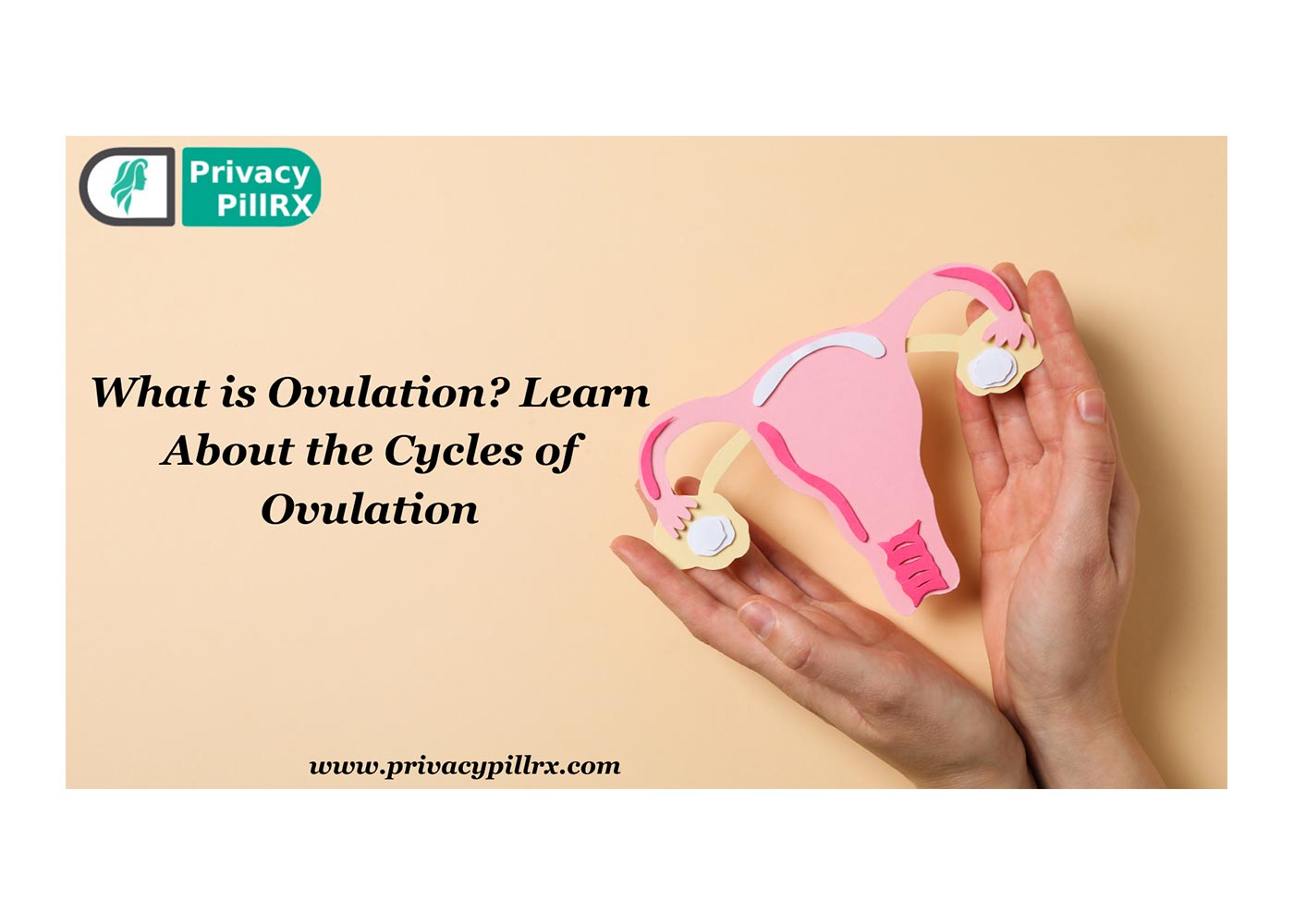
Want to get pregnant and don’t know what an ovulation is?
Keeping track of your reproductive health and menstrual
cycle is of utmost importance. Most of the women don’t know how to track their
menstrual cycle, and aren’t aware about what ovulating is. In this post, we
will learn all about ovulation and its cycles.
Every woman must have complete knowledge of tracking their
menstrual cycle and maintaining reproductive health. Keeping a track of the menstrual cycle not only increases the
chances of pregnancy but also helps you with your overall well-being.
What is Ovulation?
Ovulation is a very natural and recurring process where an
egg is released from your ovaries for fertilization. It passes through your
fallopian tube and is ready for fertilization. During this period, your chances
of getting pregnant are extremely high. Ovulation is crucial for the conception
and initiation of pregnancy.
Understanding the Ovulation Cycles
A menstrual cycle goes through various phases, from
menstrual, follicular, ovulatory, to luteal phase. Each of these phases are led
by hormonal changes by pituitary gland and ovaries.
Menstrual Phase: The actual phase of menstruation, when you
have your period, which lasts up to 3-7 days.
Follicular Phase: Following menstruation, begins the
follicular phase. During this period, what happens is, the pituitary gland
releases the follicle-stimulating hormone (FSH) stirring the development of
follicles in the ovaries. Each of these follicles contains an immature egg.
Ovulatory Phase: Then begins the ovulation phase, the
highlight of the menstrual cycle. It starts around the 14th day of your cycle.
Your ovaries release the mature egg from the dominant follicle that passes
through a fallopian tube and is ready for fertilization.
Luteal Phase: Then begins the last phase, the luteal phase
where the fractured follicle transforms into a structure called corpus luteum,
which produces progesterone. This hormone creates the uterine lining for a
potential pregnancy. If fertilization doesn’t happen, the corpus luteum breaks
down, leading to the next menstrual cycle.
Symptoms of Ovulation
Every woman is different and has different body types and
menstrual cycles. Not everyone experiences the same symptoms. Some of these
symptoms include:
- Bloating
- Abdominal Pain
- Spotting
- Tender Breasts
- High Sex Drive
- Appetite Changes
- Mood Swings
- Bad Cramps
Any of these symptoms could happen to any of the women out
there. Some might only experience bloating and abdominal pain while some only
have tender breasts. I myself have never experienced any cramps but have severe
pain in my breasts during the ovulation process.
How to Track Ovulation?
A menstrual cycle is measured from the woman's first day of
period till the first day of her next period. Usually women's menstrual cycles
are about 28-31 days, but some may have shorter cycles, say about 20 days.
Ovulation usually happens on the 14th day of the menstrual cycle, or it could
happen between days 11-day 21. The day is not the same for every month, it
keeps changing.
Importance of Ovulation in Reproductive Health
Ovulation is very important for maintaining and achieving reproductive
health. Ovulation is similar to fertility. A sperm must meet a mature egg
during the fertile window for conception to occur. Similarly, ovulation is also
linked to hormonal balance. The interaction between hormones like estrogen,
progesterone, LH, and FSH, regulates the menstrual cycle and impacts various
aspects of reproductive health.
Keeping track of your cycle is very important. It helps you
to know when ovulation takes place, which is helpful to people who are trying
to conceive. Because during ovulation the chances of getting pregnant are
higher than usual.
Many tracking methods like monitoring body basal
temperature, ovulation predictor kits and cervical mucus changes, are available
easily. You can even track it on your phones through various apps available.
If you are someone who’s suffering from irregular periods
and ovulation, or complete absence of ovulation, it indicates that you may be
having some reproductive health issues. Consulting your doctor will help in
diagnosing problems and addressing it.
Menstrual Health and Ovulation
Ovulation and menstrual cycle are basically connected. If a
woman's menstrual cycle is functioning normally and is regular it means her
overall health is pretty good. Many factors could impact the menstrual health
of a woman. Some of them are:
Nutrition Deficiency: If your body is not getting proper
nutrition required to maintain the hormonal balance and provide you the energy
that your cycle requires then it can affect your regularity and ovulation
process. Make sure your diet consists of all the required nutrients.
Exercise: Regular physical activity is essential to maintain
overall health. But if you exercise extensively, it can affect your
reproductive health and disrupt the menstrual cycle. Exercise for at least 20
minutes daily, and that would be enough to regulate your menstrual cycle.
Stress: Stress could occur to anybody, but excessive stress
could disrupt the hormonal balance required to regulate the cycle, basically
leading to irregular periods and absence of ovulation. Irregular periods may
lead to certain health issues that could harm your body internally. Get to know
about some stress relieving techniques like meditation, breathing, and yoga.
Body Weight: Maintaining body weight is important for your
overall health. Overweight conditions can impact ovulation as well as menstrual
and reproductive health. Excessive weight could also lead to PCOD/PCOS
(Polycystic Ovary Disease/Syndrome), this could highly affect your body from
inside as well as outside.
It is essential to take care of these things if you care
about your well-being. You have to do nothing extraordinary to maintain your
health, just some adjustments here and there and you are fine. But make sure
you are making good changes and adapting healthy habits.
Conclusion
Ovulation is complex yet a very important aspect of the
menstrual cycle impacting both menstrual and reproductive health. Understanding
what ovulation is, how to track it and being aware of the factors that could
empower you to take good care of your overall health is crucial.
Whether you are planning for a pregnancy or just simply
monitoring your overall health, knowing the importance of ovulation is a must
for achieving reproductive and menstrual wellness.
Share:


Debraa Williams
If an article deserves to be read, this is the one. You all must give it a peek.