

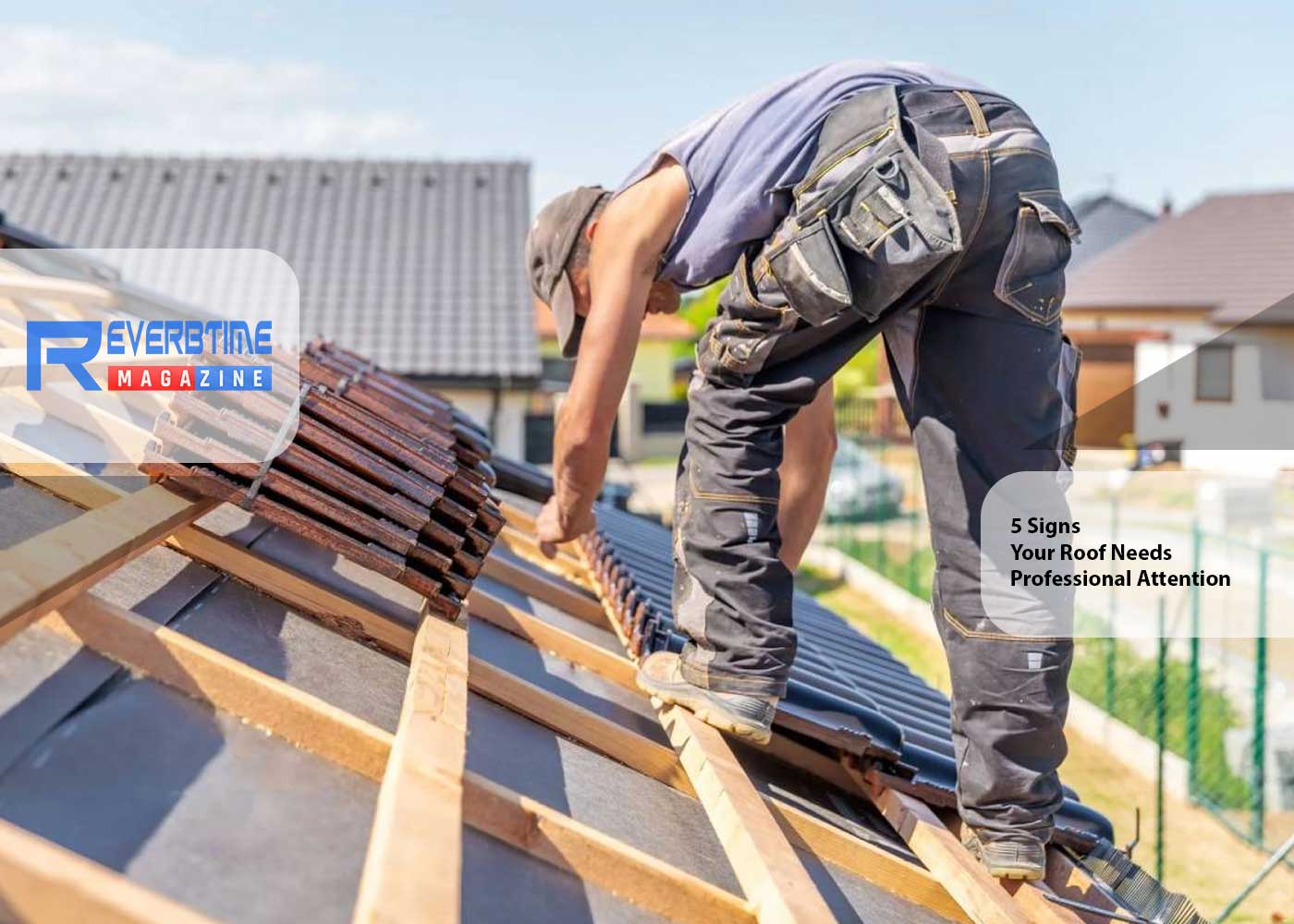
A roof does not fail all at once. It sends signals some
obvious, some subtle that problems are developing long before water starts
dripping into a living room. Catching those signals early is the difference
between a manageable repair and a five-figure replacement project. For
homeowners in hot climates like Arizona, where extreme UV exposure and thermal
cycling accelerate material breakdown, recognizing these warning signs is
especially important.
Granule Loss on Shingles
Asphalt shingles are coated with ceramic granules that serve
two purposes: they reflect UV radiation and they protect the underlying asphalt
layer from direct sun exposure. When those granules start shedding, the shingle
loses both its reflective properties and its waterproofing capability.
The easiest way to check for granule loss is to look inside
your gutters and at the base of downspouts after a rain event. Accumulations of
coarse, sand-like material indicate active granule shedding. Some loss is
normal on new shingles during the first year after installation, but persistent
granule accumulation on a roof older than two years signals that the shingles
are approaching the end of their effective lifespan.
In the Phoenix metro area, asphalt shingles typically last
15 to 20 years significantly less than the 25 to 30 year lifespan
advertised for the same products in milder climates. The Maricopa County heat
index, which frequently pushes surface temperatures above 160 degrees
Fahrenheit on exposed roofing materials, is the primary driver of that reduced
lifespan.
Visible Sagging or Dipping
A roof deck should present a straight, even plane when
viewed from any angle. Any visible sagging, dipping, or waviness in the
roofline indicates a structural issue that requires immediate professional
assessment. Common causes include prolonged water intrusion that has weakened
the decking material, inadequate support framing, or excessive weight from
layered roofing materials where a new roof was installed over an existing one.
Sagging is one of the few roof warning signs that can
indicate a safety hazard. A compromised roof deck can fail under the added
weight of a monsoon rain event or during maintenance work. If you notice any
change in the roofline's profile, avoid walking on the roof and contact a
structural specialist or licensed roofing contractor before the next storm
season.
Cracked or Missing Tile
Concrete and clay tile roofs are the dominant roofing system
in Scottsdale and the greater Phoenix area. While tile is exceptionally durable
in desert conditions — often lasting 50 years or more individual tiles are
vulnerable to impact damage from falling debris, thermal shock from rapid
temperature changes during monsoon storms, and foot traffic during maintenance
work.
A single cracked or missing tile might seem insignificant,
but it exposes the underlayment beneath to direct UV radiation that it was
never designed to withstand long-term. Most tile roof underlayment materials
will degrade within 6 to 12 months of direct sun exposure in Arizona
conditions. Once the underlayment fails, water has a direct path to the roof
deck and the interior of the home.
Inspecting a tile roof safely from ground level requires
binoculars and good lighting conditions. Look for tiles that appear shifted out
of alignment, gaps where tiles should be touching, and any fragments or debris
in the yard that might indicate tile breakage on the roof above. If you find
evidence of tile damage, a professional repair is straightforward and
relatively inexpensive when addressed early.
Interior Water Stains or Musty Odors
Water stains on ceilings or upper walls are the most
recognized sign of a roof leak, but they often appear well after the initial
point of failure. Water entering through a roof penetration can travel along
framing members, electrical conduit, or HVAC ductwork before finally reaching a
surface where it becomes visible. By the time a stain appears, the leak may
have been active for weeks or months.
Musty odors in upper floor rooms or near attic access points
can indicate moisture accumulation that has not yet produced visible staining.
Mold growth in attic spaces is difficult to detect without direct inspection,
but the odor it produces often migrates into living areas through ceiling
penetrations, recessed lighting fixtures, and HVAC return vents.
If you notice unexplained water stains or persistent musty
odors in your home, the first diagnostic step is an attic inspection. Look for
darkened or discolored decking, damp insulation, and any visible daylight
coming through the roof surface. If you are not comfortable entering your attic
or if access is limited, professional roofing companies can perform this
assessment quickly — if you are in the Scottsdale area, check out this Scottsdale roofing team
that offers comprehensive roof and attic inspections.
Rising Energy Bills without Explanation
A sudden or gradual increase in cooling costs during
Arizona's summer months can indicate compromised roof insulation or
ventilation. When a roof system fails to adequately reflect solar radiation or
when attic ventilation is restricted, the thermal load on the HVAC system
increases significantly.
The U.S. Department of Energy estimates that a properly
functioning roof and attic system can reduce cooling costs by 10 to 25 percent
compared to a degraded system in hot climates. If your energy bills have
increased without a corresponding change in usage patterns, thermostat
settings, or utility rates, a roof and attic assessment may identify the
source.
Common culprits include compressed or moisture-damaged
insulation that has lost its R-value, blocked soffit or ridge vents that
prevent hot air from exhausting, and reflective coatings that have worn off
flat roof membranes. Each of these issues is repairable without a full roof
replacement, and the energy savings from correcting them often offset the
repair cost within one to two cooling seasons.
When to Act
Any single item on this list warrants a professional
inspection. Two or more occurring simultaneously should be treated as urgent.
Roof problems compound — a small leak leads to insulation damage, which leads
to higher energy costs, which leads to moisture accumulation, which leads to
structural degradation. Breaking that chain early with a targeted repair is
almost always more cost-effective than addressing the downstream consequences.
Share:


