

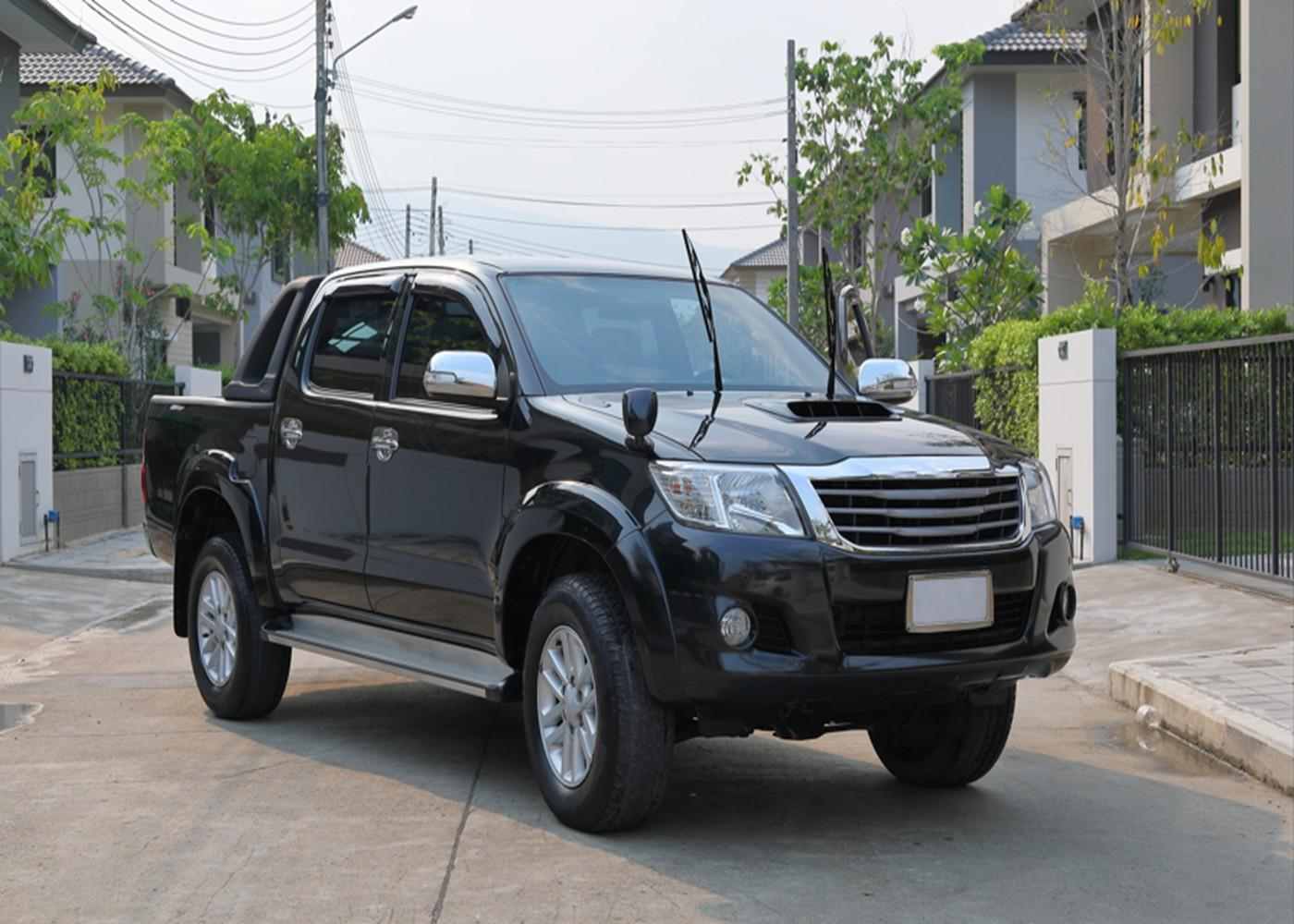
Your car is more than just a means of transportation; it’s
an extension of your personal space and sometimes holds valuable belongings or
sensitive information. Taking the right steps to protect your vehicle’s
security and privacy can help you avoid theft, maintain personal safety, and
even safeguard your data. Whether you’re parked at the local grocery store or
taking a road trip, being proactive about your car’s security can bring peace
of mind. Here are five effective tips to enhance your car’s privacy and safety.
1. Protect Your License Plate Information
License plates are a public identification tool for your
car, but they can also expose you to privacy risks. With advances in
technology, cameras scanning license plates have become widely used, not just
by law enforcement, but also by private businesses and individuals. License
plate information can potentially be used to track your car’s location or link
it to sensitive data about you.
Use License Plate Privacy Covers
A license plate privacy cover is a simple, yet effective
solution for enhancing your privacy. These covers obscure your license plate
from being scanned by automated cameras, while still keeping your plate visible
to the naked eye. They’re typically made of clear materials that don’t hinder
plate readability from direct viewing, but block certain angles or technologies
like high-speed sensors. For more information, contact a retailer like Camera Stopper.
Be Cautionary About Public Visibility
If you want additional privacy, avoid displaying personal
vanity plates that might give away too much about you, such as your name,
profession, or affiliations. Instead, stick to generic plates to keep your
information less visible to passersby.
2. Invest in Window Tinting for Privacy
Your car’s windows offer the perfect view into your private
space, whether you’re parked or driving. Even if you don’t usually leave
valuables inside, reducing visibility can deter potential thieves who might be
scouting for easy targets.
Tinted Windows Add a Layer of Security
Window tinting is an excellent way to obscure the interior
of your car from the outside. A high-quality window film prevents prying eyes
from easily peeking in, without affecting your ability to see out. Depending on
your local laws, you can choose tints with various opacities to match your
needs while complying with regulations. Darker tints add an extra layer of
privacy, while also blocking out UV rays, making your car cooler and more
comfortable.
Consider Window Shades or Curtains
For occasional use, retractable or removable window shades
are a fantastic alternative. These are particularly helpful when you’re parked
and want to obscure the contents of your car without committing to permanent
tints.
3. Secure Your Valuables with Hidden Storage
Leaving valuables in plain sight inside your car is like
leaving an open invitation for trouble. Even something as small as loose change
can attract unwanted attention. Implementing smart storage solutions can keep
your belongings safe from view and minimize the risk of opportunistic theft.
Use Hidden Compartments
Many modern cars come with built-in hidden storage, such as
under-seat compartments, false floors in the trunk, or glovebox locks. Use
these features wisely to store items like electronics, wallets, or other
valuables when you need to leave them temporarily in your car. If your car
doesn’t have dedicated hidden spaces, consider after-market lockboxes or
organizers designed to blend seamlessly with your car’s interior.
Remove Clutter Regularly
A clean car is less appealing to thieves. Clutter might give
the impression that something valuable is tucked inside a bag or under a pile
of items. Make it a habit to declutter your car regularly, leaving only
necessary items visible, like a water bottle or sunglasses.
4. Install Anti-Theft Devices
Car theft remains a concern, especially for certain vehicle
models popular among criminals. Installing anti-theft devices can act as a
strong deterrent and give you extra peace of mind. These devices protect
against direct theft and add layers of security to ensure your car (and its
contents) stay safe.
Consider Vehicle Tracking Systems
A GPS tracking device can help law enforcement locate your
vehicle quickly if it’s stolen. Some tracking systems also allow you to
remotely disable the vehicle, adding an extra layer of protection. This feature
is especially valuable for high-theft areas or if you park on public streets
often.
Use Steering or Pedal Locks
Old-school anti-theft tools like steering wheel locks or
pedal locks are still highly effective. Their visibility alone can deter
thieves. Many criminals may avoid a car with physical locks, because breaking
them requires extra time and effort.
Upgrade Your Alarm System
If your car doesn’t already have a reliable alarm system,
installing one can make a big difference. Modern alarm systems often include
features like motion sensors, door alarms, and mobile alerts that notify you
instantly if something’s wrong.
5. Safeguard Your Technology and Data
Today’s vehicles are more connected than ever, thanks to GPS
navigation, Bluetooth, and in-car Wi-Fi. While these advancements enhance
convenience, they also create opportunities for cyber threats. Ensuring your
vehicle’s data is safe is as important as its physical protection.
Enable Password Protection
If your car connects to your smartphone or other devices,
make sure those connections are password-protected. Avoid leaving connected
devices plugged into USB ports when you’re away from the vehicle.
Secure the Keyless Entry System
Keyless entry systems are convenient, but can be hacked with
devices that amplify your key fob’s signal. To prevent signal theft, store your
key fob in a signal-blocking pouch or box, commonly known as a Faraday bag.
Additionally, disable wireless features when not needed.
Enhancing your car’s privacy and safety doesn’t have to be
complicated. From simple measures like using license plate privacy covers to
investing in advanced anti-theft systems, there are countless ways to make your
car a more secure and private space. By addressing both physical and digital
vulnerabilities, you can significantly reduce risks and focus on enjoying the
ride.
Share:


Gabriela Torres
The lifespan of RV batteries depends on the type, usage, and maintenance. Heres a general guideline for different battery types....................