

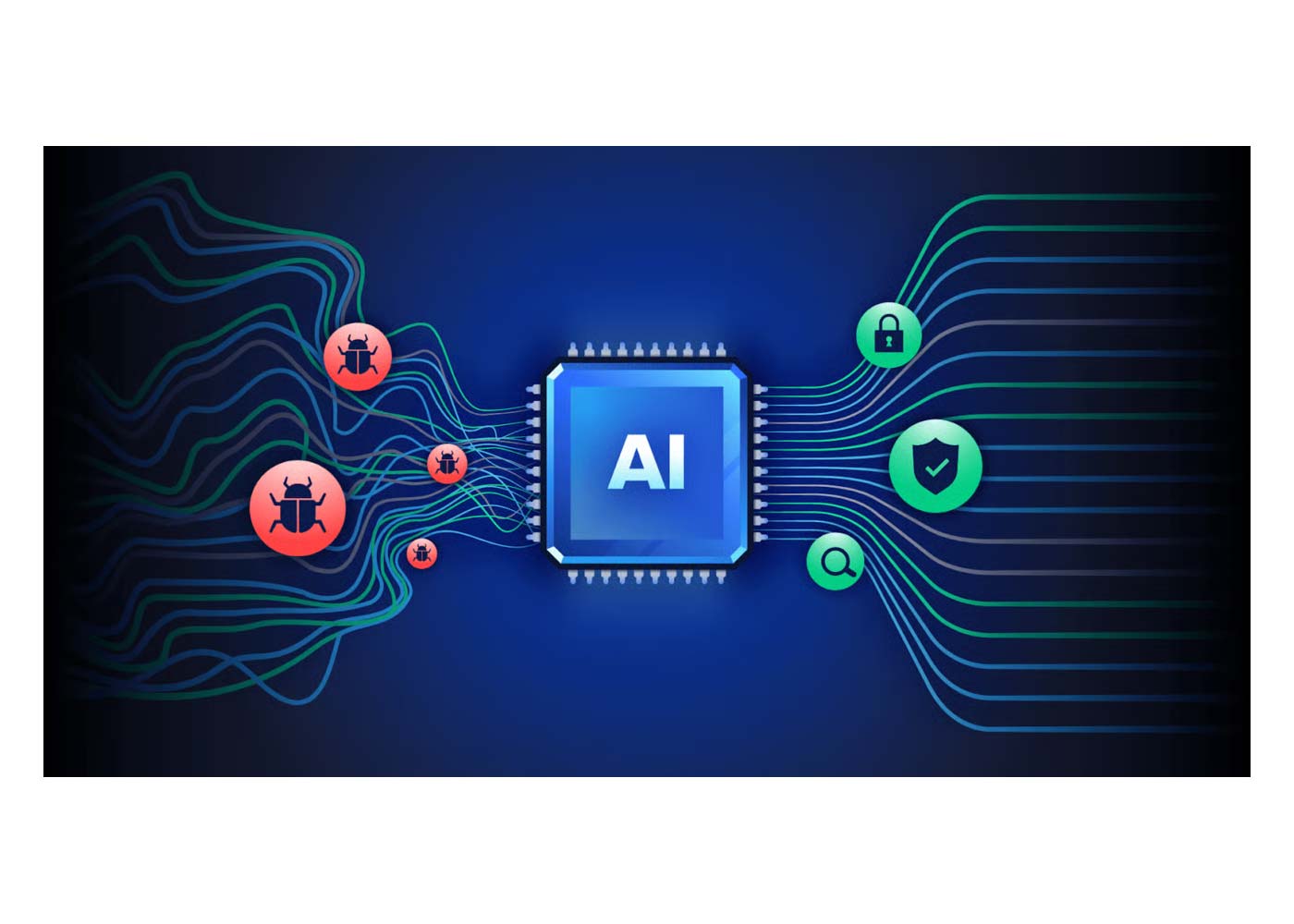
In an industry where speed, accuracy, and reliability are
non-negotiable, quality assurance (QA) is under pressure. Traditional testing
methods struggle to keep pace with modern development cycles. Enter AI - not
just as an efficiency tool but as a strategic partner in building better
software faster.
This article examines how product leaders can leverage AI to
integrate it into QA workflows, transforming testing from a bottleneck into a
proactive asset.
Why Traditional Testing Can't Keep Up
For decades, QA relied on
manual execution, detailed test plans, and sequential workflows that followed a
waterfall model. Testing teams typically stepped in after development was
completed, working independently to verify functionality against the documented
requirements.
This model was serviceable in slower cycles, but today,
speed is the standard. Agile development, continuous integration, and frequent
deployments have exposed the cracks in traditional QA:
Time-consuming processes - Manual testing is slow and
doesn't scale well with fast iteration cycles.
Cost inefficiency - Large teams performing repetitive tasks
drive up QA budgets.
Limited coverage - Manual testing can't feasibly cover all
scenarios, especially edge cases.
Human error - Repetitive tasks increase the risk of
oversight.
Modern QA needs to be faster, more intelligent, and
seamlessly integrated into the development lifecycle. That's where AI steps in.
The AI Advantage in Software Testing
AI has become a foundational element in many business
domains - from logistics and finance to healthcare. QA is no exception. In
fact, by 2024, nearly two-thirds of QA professionals reported using AI to
enhance their workflows.
In testing, AI isn't about replacing engineers. It's about
enhancing test precision, automating routine tasks, and delivering data-driven
insights that enable QA teams to prioritize more effectively.
AI learns from data - not just code but from previous bugs,
user behaviors, and testing outcomes. This allows teams to:
- Predict where bugs are likely to occur based on historical
patterns.
- Shift testing is left in the development cycle to catch
issues earlier.
- Reduce manual errors by automating repetitive tasks.
- Focus QA engineers on strategy, edge cases, and exploratory
testing.
From Reactive to Predictive QA
Traditional QA reacts to what has already happened.
AI-enhanced QA anticipates what's coming.
By analyzing commit histories, defect trends, and user
behavior data, AI models can flag high-risk areas of code before testing even
begins. This means smarter, more targeted testing with fewer wasted cycles.
AI also supports continuous learning. Over time, it builds a
database of bugs, regressions, and their root causes. With each iteration, the
system improves at recognizing vulnerabilities and recommending targeted test
scenarios, thereby reducing the risk of repeating mistakes.
AI-Driven Test Management Tools
A new generation of test platforms is embedding AI at the
core of their functionality. Here are some leading examples:
Testim - Uses generative AI to convert plain language into
automated tests. Offers reusable test modules and integration with tools like
Jira to speed up QA cycles across web, mobile, and Salesforce applications.
Applitools - Specializes in visual UI validation using AI to
detect pixel-level anomalies. The system automatically differentiates between
meaningful UI bugs and expected design changes.
BrowserStack - Provides cross-browser and mobile testing on
real devices. AI helps optimize test paths, while integrations with CI/CD tools
and collaboration platforms like Slack enhance team workflows.
Mabl - A full-cycle AI-powered test automation platform that
supports intelligent test creation, execution, and maintenance. It seamlessly
integrates into CI/CD pipelines and provides real-time analytics for quality
tracking.
The Shift in QA Roles
As AI handles more of the heavy lifting, QA professionals
are freed up for higher-value work. Instead of writing and rewriting test
scripts, they can focus on developing test strategies, conducting risk
analyses, and advocating for quality across development teams.
AI is not replacing QA - it's redefining it. Product leaders
who embrace this shift are seeing faster releases, fewer regressions, and
stronger alignment between QA and development.
Final Thoughts
Integrating AI into QA isn't just a technical decision -
it's a strategic one. It enables faster testing cycles, better bug detection,
and smarter resource use. As development accelerates in 2025, the real advantage
comes from testing smarter, not harder.
Looking to make your QA strategy more intelligent? Reach out
to our team to explore how AI-powered QA can streamline your development
process and improve product quality.
Share:


