

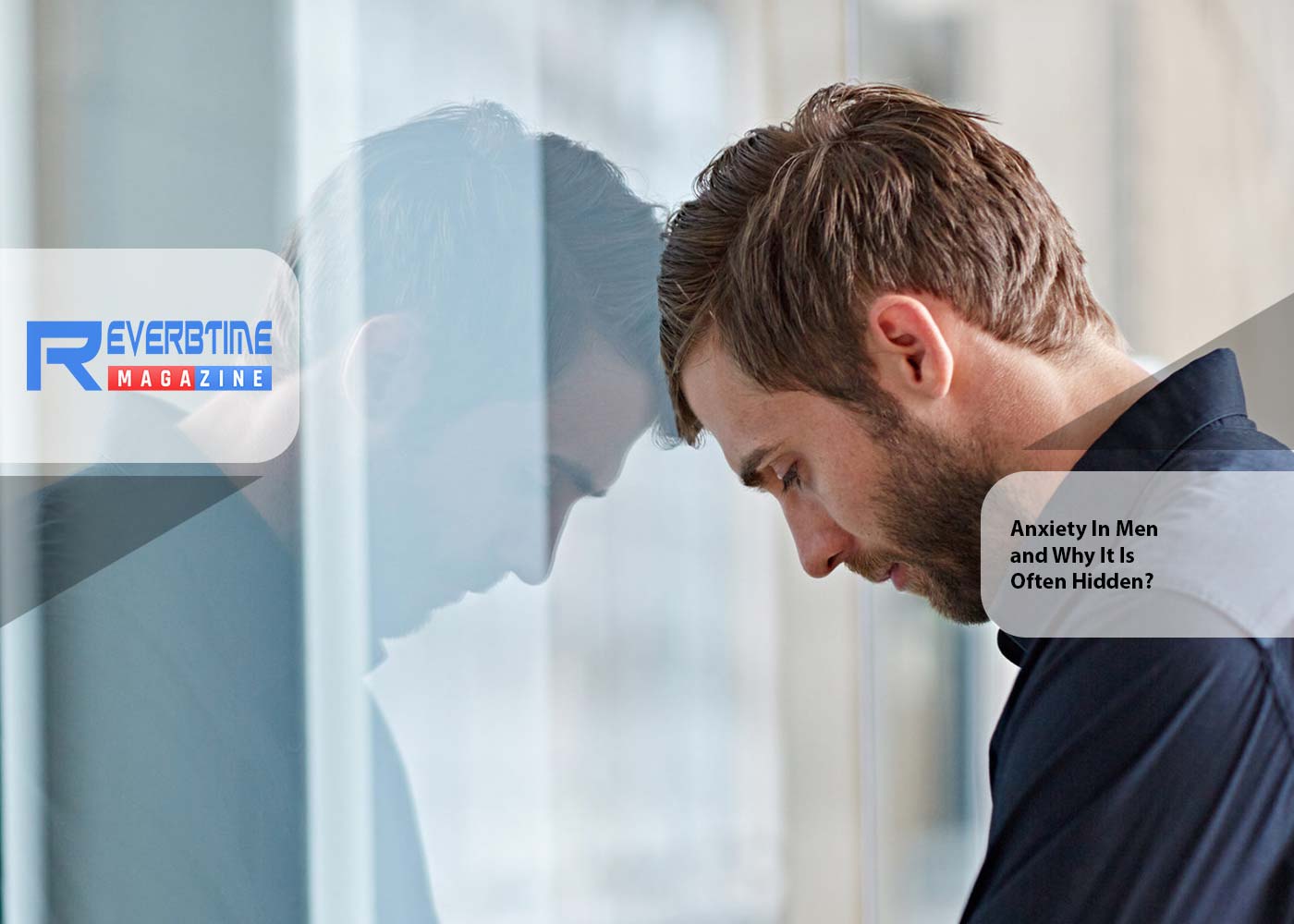
Most men are unaware that they are carrying an invisible
burden of anxiety. They don't consider themselves anxious, so they often
describe their condition as restlessness, anger, or persistent unease.
The word "anxiety" evokes unfamiliar emotions for
them, and they may feel that admitting to it would be a sign of weakness.
However, millions of men suffer from anxiety disorders, which they often mask
behind anger, overwork, and silence.
The way men experience anxiety is often different from the
common experience most people associate with it. Women typically talk about
feeling worried or nervous, while men's symptoms of stress or anxiety are less
specific and primarily linked to behaviors that wouldn't typically be
associated with mental health issues.
Anxiety in Men
When people describe anxiety, the image that usually comes
to mind is of someone who is visibly nervous and worried. However, anxiety in
men rarely manifests in this way. Instead, it remains hidden in forms that
society readily accepts as appropriate masculine behavior.
Growing up, men learn that fear or anxiety is unacceptable.
They are raised with rules like "be a man" or "boys don't
cry." These messages don't disappear with age. They affect men's stress
and pain management throughout life.
So, anxiety remains buried, hidden, and felt subconsciously,
hardly noticed. A man may think he has an anger issue when he really has
anxiety. Perhaps he's working hard but escaping his own thoughts.
This creates a vicious cycle. The man is in pain, but his
family is unwilling to do anything without understanding the situation, so the
anxiety worsens over time because it is not being addressed properly.
How anxiety looks different in men?
Many studies show that while anxiety disorders are diagnosed
more frequently in women, men experience anxiety in unique ways that often go
unnoticed. Key differences between men and women regarding anxiety include:
- Women are more likely to talk about their anxiety than
men.
- Social anxiety disorder is experienced equally by both
genders.
- Men may turn to alcohol or drugs to cope with anxiety.
- Most women tend to avoid situations that trigger their
anxiety.
- Men often hide their anxiety symptoms because that's what
society expects of them.
How anxiety looks in men?
The symptoms of panic in men don't always present as the
classic signs of anxiety or fear. A less common way it manifests is through
easily becoming angry, irritable, or experiencing physical symptoms.
Physical symptoms of anxiety in men include:
- Excessive sweating, even in cool environments
- Frequent headaches
- Rapid heartbeat
- Muscle/joint stiffness or neck pain
- Upset stomach that feels like nausea and general malaise
- Difficulty sleeping
- Dizziness and lightheadedness, regardless of surroundings
- Difficulty breathing due to chest tightness
Emotional symptoms of anxiety include:
- Becoming easily irritated over minor things
- Always expecting the worst-case scenario.
- Perceiving places or things as inherently bad
- Inability to concentrate on anything
- Feeling restless or constantly on the verge of losing
control.
- Experiencing anxiety due to work, finances, and family
For example, a man experiencing an anxiety attack might
speak harshly to his relatives after a stressful day at the office. This
doesn't mean he's a bad person, but rather that his anxiety is causing him to
react in this way. Alternatively, he might withdraw from people and situations
and feel distressed. Eventually, he might turn to substance (e.g., alcohol,
smoking, etc.) to cope with the problem.
Men can suffer from various types of anxiety disorders, such
as:
- Generalized anxiety disorder causes the sufferer to feel
anxious about everything all the time.
- Social anxiety disorder causes a person to fear social
situations.
- A person suffering from panic disorder becomes overwhelmed
by intense fear.
- One person may develop anxiety symptoms due to trauma.
- Some men find relief by treating the underlying issues,
such as obsessions.
Getting Help and Finding Relief from Anxiety
One truth about dealing with anxiety that needs to be
understood is that anxiety is treatable. Men who acknowledge their anxiety and
seek treatment typically feel much better and can live more normal lives. Seek
help and be willing to take action, and this is a sign of strength.
Many men have successfully overcome their anxiety problems
using these methods. Keep in mind that treatment plans vary from person to
person, and the key is finding what works best for the individual.
Some of the options and treatment approaches:
- Discussing men's issues in a safe and supportive
environment
- Promoting positive thinking
- Treatment begins by gradually exposing the man to
situations he most avoids, helping him experience less fear.
Most participants report how they are preventing their lives
from being ruined by using new coping strategies.
Many men learn that they can cope with their anxiety more
effectively with the help of a professional. Therapists create a caring
environment, allowing men to learn even from missteps. They provide objective
strategies for managing anxiety. Now you have the option to seek help from an online psychiatrist, which you can do
from the comfort of your home and at your convenience.
Medications can also be very effective when necessary. As
part of a regular checkup, doctors may want to check if testosterone levels are
normal, as low testosterone can contribute to anxiety in men. Common
medications include those that balance brain chemicals in cases of depression
or provide immediate anxiety relief in cases of panic attacks. If you have any
neurological issues (e.g., migraines, multiple sclerosis, dementia), you can
also consult a neurologist near me.
Additionally, a man can adopt some of the following
lifestyle changes:
- Engaging in physical activity to reduce the production of
stress hormones
- Following a regular sleep schedule will help the brain
process emotions more efficiently.
- Following a healthy diet to improve both physical and
mental health
- Relaxation exercises to reduce the fear response in the
nervous system
- Regular yoga or meditation to manage the stresses of daily
life
A friendly reminder for men to drink alcohol in moderation
and reduce caffeine intake to lower the risk of anxiety.
Consistency is key. Take action what work for you. For
example, a man might decide to take a 20-minute walk every day and find that
his anxiety is more manageable. Another man might start practicing deep
breathing exercises when he feels stressed at work instead of lashing out at
his family.
Remember that seeking therapy from a mental health
professional for anxiety is not a sign of weakness, but a sign of wisdom. Men
deserve to feel calm, confident, and in control of their lives. With the right
guidance and a good treatment plan, anxiety should never prevent men from
achieving or enjoying the best things in life.
Share:


