

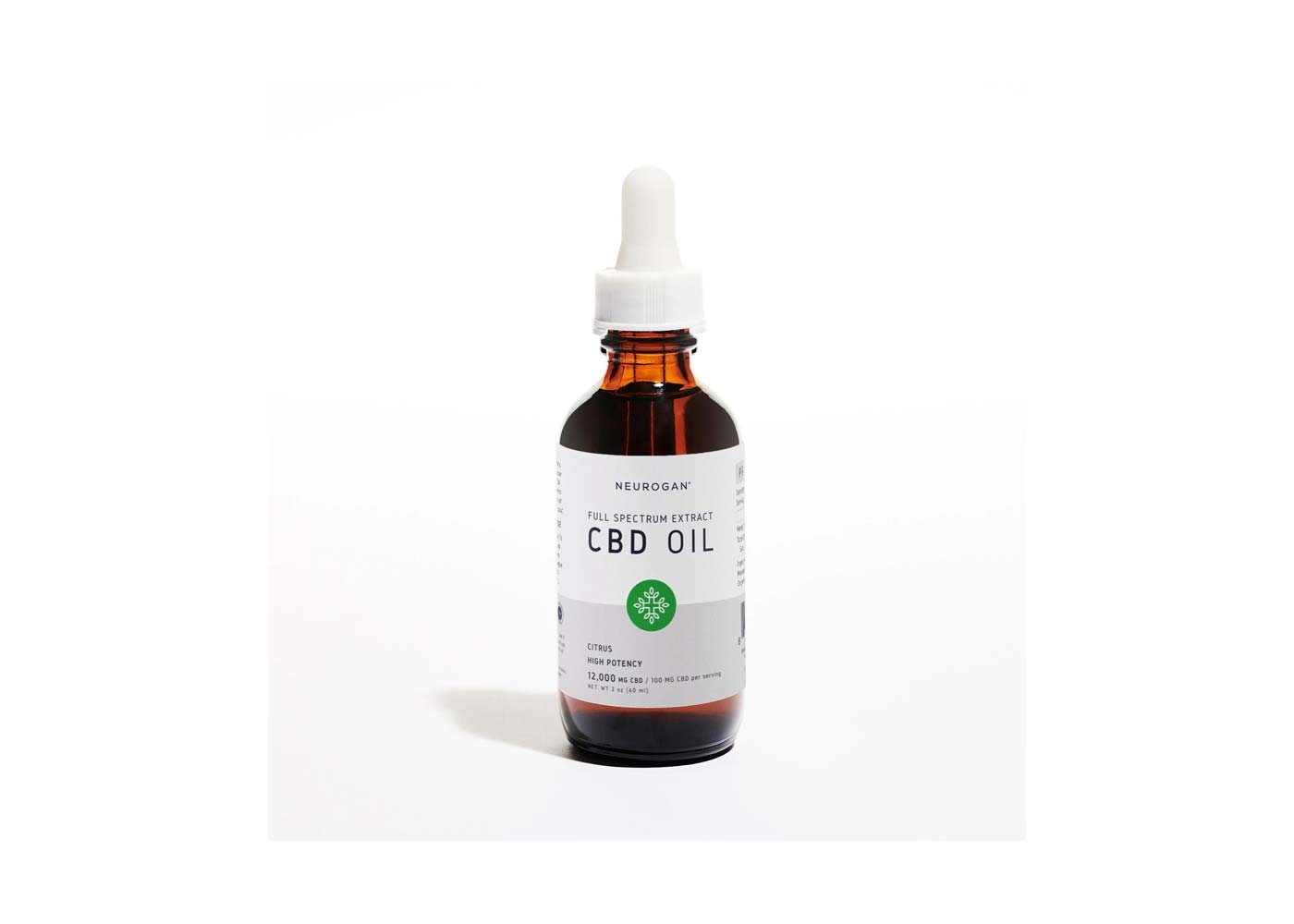
In recent years, the popularity of CBD oil has surged, with
many people turning to this natural remedy for various health concerns.
However, with the abundance of CBD products on the market,
finding the right one to address your specific health needs can be a
challenging task. This article aims to unravel the CBD oil dilemma, guiding you
through the process of selecting the ideal product for your health and
wellness.
Understanding CBD Oil
CBD, short for cannabidiol, is a natural compound found in
the Cannabis sativa plant. Unlike its counterpart, tetrahydrocannabinol (THC),
CBD is non-psychoactive, meaning it won't induce the "high" commonly
associated with cannabis use. Instead, CBD offers potential therapeutic
benefits without the mind-altering effects.
CBD interacts with the body's endocannabinoid system (ECS), which plays a vital role in regulating various physiological
processes, including pain perception, mood, inflammation, and immune function.
This interaction has sparked interest in using CBD as a complementary approach
to support health and well-being.
The CBD Oil Dilemma
As the demand for CBD oil has grown, so has the market's
saturation with a plethora of products. This abundance of choices can be both a
blessing and a curse, as it offers consumers a wide range of options but also
poses the challenge of selecting the most suitable product for their individual
health needs. To navigate this dilemma effectively, consider the following
factors:
Define Your Health Goals
Before delving into the world of CBD products, it's
essential to define your specific health goals. Are you seeking relief from
chronic pain, managing anxiety, improving sleep quality, or addressing skin
issues? Understanding your primary objectives will help you choose the most
appropriate CBD product and dosage.
Types of CBD Products
CBD is available in various forms, each designed to cater to
different needs. Common product types include:
CBD Tinctures: These liquid extracts are taken sublingually
(under the tongue) for quick absorption.
CBD Capsules: Encapsulated CBD offers precise dosing and is
easy to incorporate into your daily routine.
CBD Topicals: Creams, balms, and lotions infused with CBD
can be applied directly to the skin to target localized issues.
CBD Edibles: Gummies, chocolates, and other edibles provide
a tasty way to consume CBD, though the effects may take longer to manifest.
CBD Vapes: Vaporizing CBD e-liquids allows for fast
absorption through the lungs, but it may not be suitable for everyone.
CBD Isolates: These pure CBD products contain no other
cannabinoids or compounds, making it easier to control your CBD intake.
Full-Spectrum, Broad-Spectrum, or Isolate
Understanding the spectrum of CBD products is crucial when
making a choice. Full-spectrum CBD contains a range of cannabinoids, terpenes,
and other compounds found in the cannabis plant, offering what is often
referred to as the "entourage effect."
Broad-spectrum CBD contains most of these compounds, but without THC, while CBD
isolate is pure CBD with no other components. The choice between these options
depends on your preference and any sensitivities you may have.
Source and Quality
The source of the CBD used in a product is paramount. Look
for CBD derived from organic, non-GMO hemp plants, ideally grown in regions
with strict quality control standards. Products should also undergo third-party
lab testing, which ensures their potency and purity. These test results should
be readily available to consumers, allowing you to verify the quality of the
product.
Dosage
The optimal CBD dosage varies from person to person, as it
depends on factors such as body weight, metabolism, and the condition being
addressed. It's advisable to start with a low dosage and gradually increase it
until you achieve the desired effects. Consulting with a healthcare
professional experienced in CBD use can provide valuable guidance on dosing.
Consider Potential Side Effects
While CBD is generally well-tolerated, it may cause side
effects in some individuals, such as dry mouth, dizziness, changes in appetite,
or diarrhea. Before incorporating CBD into your routine, be aware of potential
side effects and monitor your body's response to the product.
Legal and Regulatory Status
It's essential to be aware of the legal and regulatory
status of CBD in your region. Laws regarding the use and sale of CBD products
can vary significantly, so understanding the legal framework is crucial to
avoid any legal issues.
Seek Advice
If you're uncertain about which CBD product to choose,
seeking advice from a healthcare professional, particularly one with expertise
in CBD, can be beneficial. They can consider your health goals, existing
medical conditions, and potential interactions with other medications to
recommend the most suitable product and dosage.
Conclusion
The CBD oil dilemma can be daunting, but with careful
consideration and research, you can find the right product to address your
health needs effectively
CBD has shown promising potential in supporting various
health concerns, but the key to a successful CBD experience lies in choosing
the right product that aligns with your specific goals and requirements. Let's delve into the blog of The Mercury News about the potential of CBD oil with a
list of the top 10 products for your health routine.
By defining your health objectives, understanding product
types, considering the spectrum, assessing source and quality, determining
dosage, being mindful of potential side effects, and staying informed about the
legal and regulatory landscape, you can embark on your CBD journey with
confidence and informed decision-making.
Share:


