

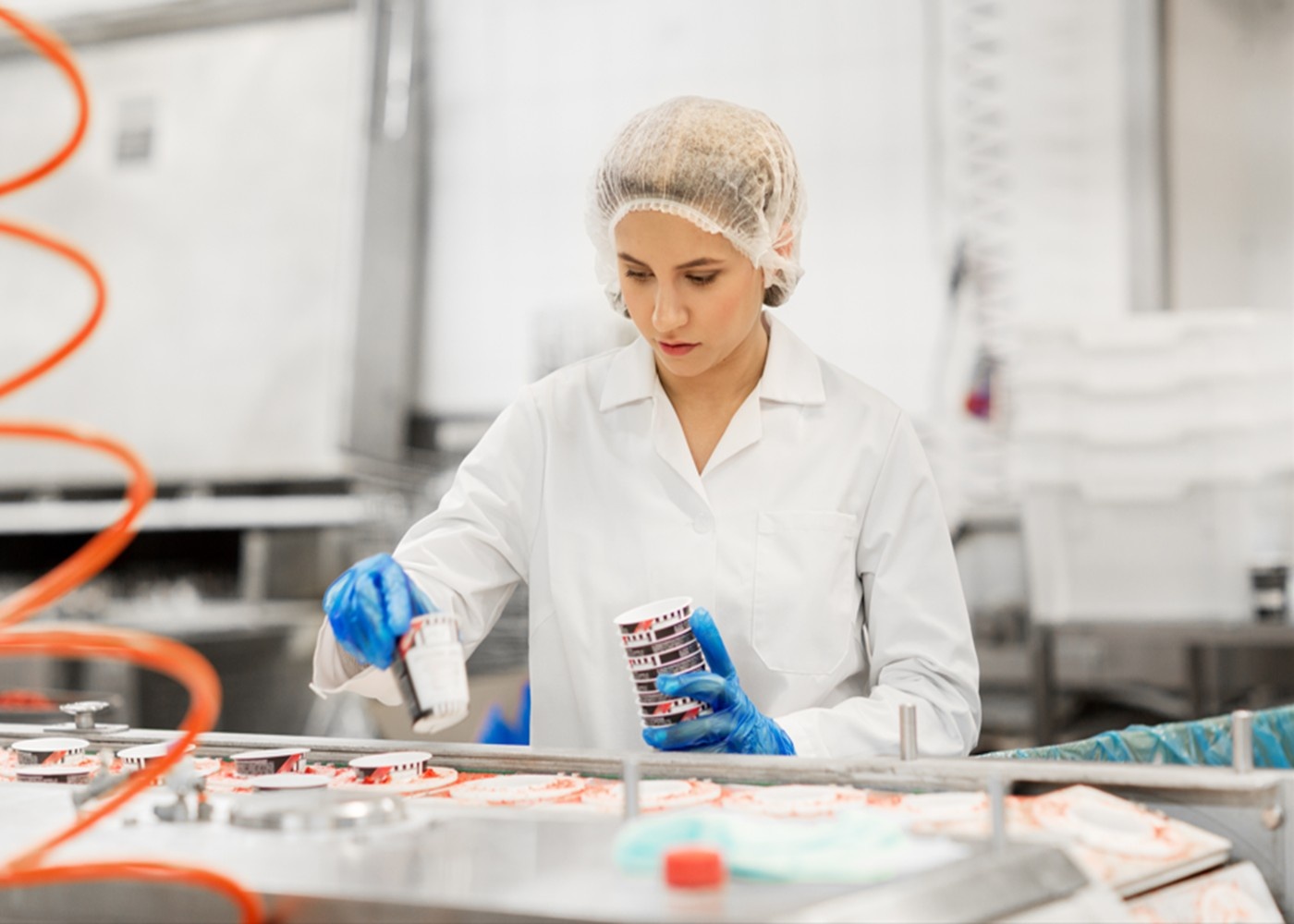
Running a food processing facility is no small undertaking.
From the moment raw ingredients arrive at your loading dock to the second a
finished product is sealed, labeled, and shipped, every step in the production
chain must work in harmony. One weak link — one piece of substandard or missing
equipment — can compromise product safety, regulatory compliance, and
profitability all at once. Whether you are launching a new facility or
evaluating an existing operation, this guide walks through the essential
equipment categories that no food processing business can afford to overlook.
Industrial Mixing and Blending Equipment
At the heart of most food processing operations is the need
to combine ingredients consistently and at scale. Industrial mixers and
blenders are workhorses that must handle a wide range of viscosities, textures,
and volumes without compromising the uniformity of the final product.
Inconsistent mixing leads to uneven flavor profiles, texture issues, and
potential food safety risks if dry or liquid ingredients are not thoroughly
integrated.
When selecting mixing equipment, prioritize sanitary design.
Equipment should feature smooth, crevice-free surfaces constructed from
food-grade materials that resist corrosion. Easy disassembly for cleaning and
inspection is equally important, as any residue left behind can become a
contamination point. Investing in the right mixing infrastructure from the
start reduces downtime, waste, and the risk of costly product recalls.
Conveyor and Material Handling Systems
Efficiency in a food processing facility depends heavily on
how smoothly products move through each stage of production. Conveyor systems
serve as the circulatory system of your operation, transporting raw materials,
partially processed goods, and finished products from one station to the next.
Without a reliable material handling setup, bottlenecks form quickly and labor
costs spiral upward as workers compensate for the lack of automation.
Modern conveyor systems designed for food environments are
built to be washdown-safe, featuring sealed motors and sanitary belting that
resists microbial growth. The right configuration depends on your specific
product type and the environmental conditions of your facility. A well-designed
conveyor layout reduces manual handling, decreases contamination risk, and
significantly improves throughput across every shift.
Commercial Chiller Systems
Temperature control is one of the most critical factors in
food safety, and a reliable commercial chiller is non-negotiable for any
facility handling perishable products. A commercial chiller maintains
consistent low temperatures across large volumes of product, slowing bacterial
growth and preserving freshness throughout the production and storage process.
Without proper refrigeration infrastructure, even the best ingredients and
processes cannot guarantee a safe, high-quality end product.
A commercial chiller is not a one-size-fits-all investment. Walk-in coolers, blast
chillers, and process chillers each serve distinct purposes within a facility.
Blast chillers are essential for rapidly bringing freshly cooked or processed
products down to safe storage temperatures, preventing the slow cool-down that
allows harmful bacteria to multiply. Process chillers regulate temperatures
during active production phases, such as cooling fermented beverages or
chilling fillings before they are encased. Facilities that underestimate their
commercial chiller needs often find themselves out of compliance with food
safety regulations or dealing with product spoilage that erodes profit margins.
Redundancy planning is also wise — a backup system or contingency protocol
ensures that a mechanical failure does not result in catastrophic product loss.
Filling, Portioning, and Packaging Machinery
Packaging machinery encompasses a broad range of equipment,
from volumetric fillers and form-fill-seal machines to cartoners and case
packers. These systems ensure that every unit leaving your facility is
correctly filled, sealed, and ready for retail or foodservice distribution.
Accuracy matters enormously here — under-filled packages can result in
regulatory violations, while over-filling cuts directly into your margins.
The best packaging lines integrate seamlessly with upstream
processes, maintaining pace with production output without creating unnecessary
lag or waste. Look for machinery that offers flexibility across container
formats and product types, especially if your facility produces a variety of
items. Quick changeover capabilities reduce downtime between runs, keeping your
line productive and responsive to shifting demand.
Custom Beverage Labels and Labeling Equipment
Labeling is often treated as an afterthought, but for beverage producers and food manufacturers alike, it is one of the most visible and legally regulated aspects of the entire operation. Custom beverage labels do far more than identify a product on a shelf — they communicate ingredients, allergen information, nutritional data, and brand identity all at once. Regulatory agencies require that custom beverage labels meet strict standards for content, legibility, and placement, and failure to comply can result in fines, recalls, and lasting reputational damage.
Investing in professional-grade labeling equipment ensures
that your custom beverage labels are applied consistently, without wrinkles,
misalignment, or adhesion failures that make products look unprofessional or
obscure critical information. Automated label applicators handle high-volume
runs with precision, reducing the labor cost of manual application and
minimizing waste associated with mislabeled products. For facilities producing
multiple beverage lines or seasonal varieties, flexible labeling systems that
accommodate different label sizes and container shapes are particularly
valuable. The design and print quality of your custom beverage labels reflect
directly on your brand, so maintaining quality control checkpoints throughout
the labeling process is essential to long-term market success.
Inspection and Detection Equipment
No food processing facility should operate without robust
inspection and detection systems. Metal detectors and X-ray inspection units
identify foreign objects — whether metal, bone, glass, or dense plastic —
before products reach consumers. Checkweighers ensure that every package meets
its declared weight, protecting you from regulatory violations and consumer
complaints. Vision inspection systems can detect label defects, fill level
anomalies, and seal integrity issues in real time.
These technologies are not luxuries reserved for large-scale
manufacturers. Facilities of all sizes can face liability or recall situations
without proper detection infrastructure in place. The cost of a single
contamination incident — legal fees, recall logistics, lost inventory, and
brand damage — far exceeds the investment required to implement thorough
inspection systems from the outset.
Sanitation and Clean-In-Place Systems
A food processing facility is only as safe as its sanitation
practices, and the right equipment makes those practices both more effective
and more efficient. Clean-in-place systems automate the cleaning of processing
lines, tanks, and pipework without requiring full disassembly. This reduces the
time and labor required for sanitation cycles while ensuring that cleaning
agents are applied at the correct concentrations, temperatures, and contact
times.
For facilities that cannot use clean-in-place systems on
every piece of equipment, high-pressure washdown stations and foam cleaning equipment
play an equally vital role. Properly designed drains, floor coatings, and wall
materials also contribute to the overall sanitation capability of the space.
Regulators and third-party auditors scrutinize sanitation infrastructure
closely, and a well-equipped cleaning program is one of the strongest
foundations for passing inspections and maintaining certifications.
Building a Facility That Lasts
Equipping a food processing facility is a substantial
investment, but cutting corners on critical equipment almost always costs more
in the long run. From industrial mixing systems and conveyor infrastructure to
commercial chillers, packaging lines, custom beverage labels, and sanitation
equipment, each component plays a specific and irreplaceable role in delivering
safe, consistent, high-quality products. Take the time to evaluate your
operation honestly, identify the gaps, and invest in the equipment that will
support your facility's growth and compliance for years to come. The facilities
that thrive are those that treat their equipment not as a cost center, but as
the operational backbone of everything they produce.
Share:


