

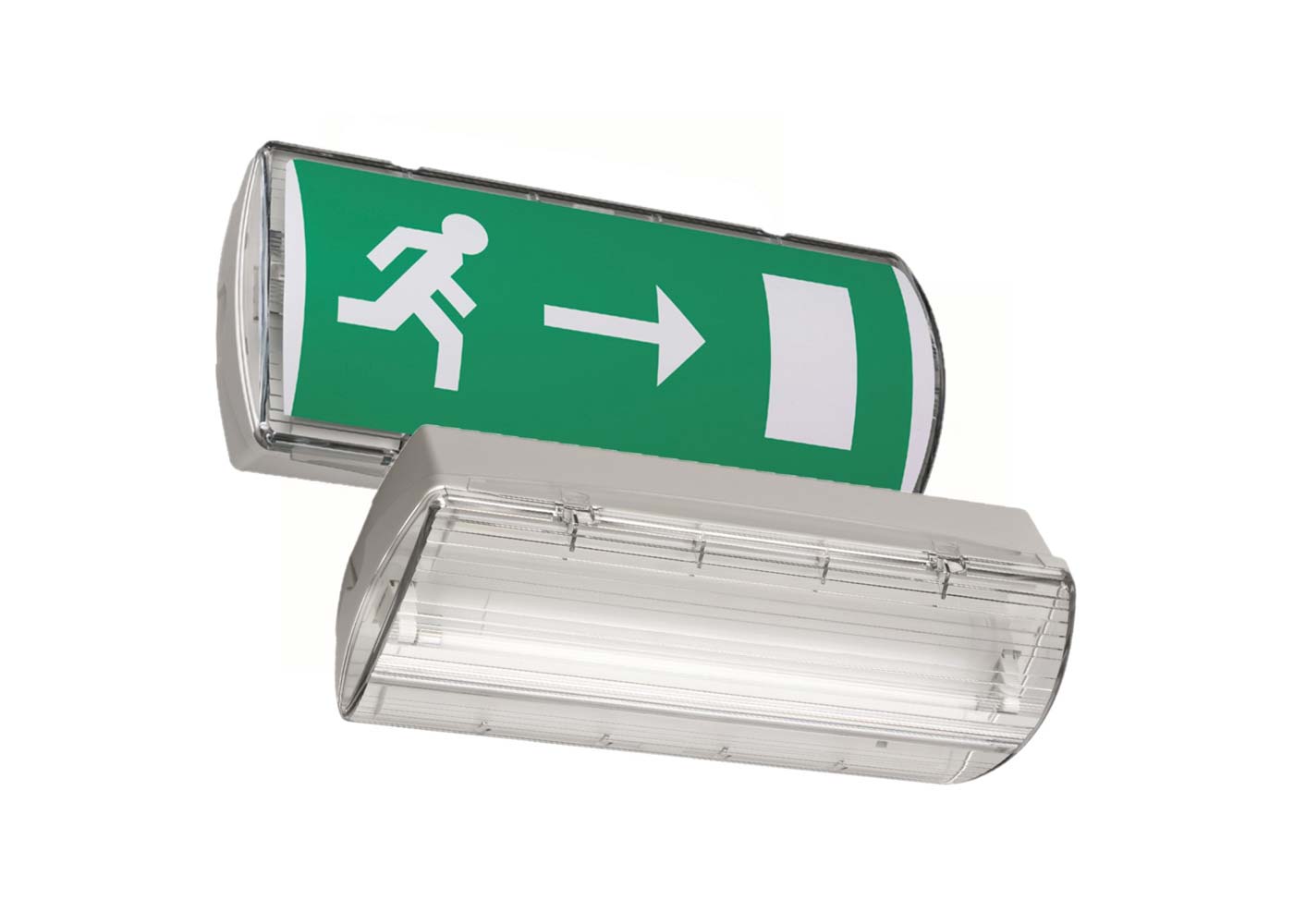
When a fire breaks out or the power goes out, people need a
way to get out fast and safely. That is where emergency exit lighting comes in.
It helps people find the exits when normal lights are off. In modern buildings,
having proper emergency lighting is not just smart”it is the law.
Today, exit lighting is required in almost every new
building. From schools and hospitals to office towers and shopping malls, the
rules are clear. If people gather there, the building needs lights that lead
the way out during an emergency.
What Is Emergency Exit Lighting?
Emergency exit lighting is a special type of light system. It stays on when the main power
fails. It lights up hallways, stairwells, and doors. Some signs show the word
'EXIT.' Others may use arrows or pictures to point to the closest safe way out.
These lights are powered by backup batteries or a separate
power source. They usually turn on by themselves during a power loss. Some stay
lit all the time. Others only come on during an emergency.
Why Exit Lights Matter
In a dark building, people can panic. Smoke from a fire can
block their view. If exits are hard to see, they might waste time or move in
the wrong direction. That can lead to injuries or worse.
Emergency lights make paths easier to follow. They guide
people to safety. This gives building owners and builders a big job they must
make sure their exit lighting meets all safety rules.
Building Codes Set the Rules
There are rules in place for how and where to install
emergency lights. These rules are part of building codes. In the United States,
the two most-used codes come from the National Fire Protection Association
(NFPA) and the International Building Code (IBC).
The NFPA 101, known as the Life Safety Code, is a major
guide. It says that any place where people gather must have safe exit routes.
It also says those paths must be clearly marked and lit. The IBC has similar
rules. Both codes list when and how to use emergency lights, how long they must
stay on, and how bright they should be.
The usual rule is this: if a building holds more than a few
people, it needs exit lights. The lights must stay on for at least 90 minutes
after the power goes out.
Where the Lights Should Go
Exit lighting is not placed just anywhere. The codes require
lights in specific spots:
- Near all exit doors
- In stairwells and hallways
- At any path that leads outside
- Near ramps and escalators
- Around corners and turns in long corridors
- In large open rooms with no clear path out
Also, the signs must be easy to see. Most states require red
or green letters at least 6 inches tall. Some local codes ask for more, like
flashing arrows or signs that glow in the dark.
Types of Emergency Exit Lights
There are a few types of exit lights used in modern
construction. The most common include:
- Battery-powered signs: These are the most basic. They have
built-in batteries that charge during normal use. When power fails, the battery
kicks in.
- Self-luminous signs: These use a safe glowing gas called
tritium. They do not need power at all and can glow for up to 20 years.
- LED exit signs: These are very energy-efficient. They last
longer and use less power than older bulb-style signs.
- Combo units: These signs include both the 'EXIT' sign and
small emergency lights in one fixture. They light the sign and shine light
around it to help guide people.
Builders choose signs based on the building type, size, and
local rules.
Who Checks for Code Compliance?
Local fire inspectors, safety officers, or building
officials check emergency lighting systems. They make sure each building
follows the right codes. During these checks, they test the lights and review
maintenance records.
A system that does not work can lead to fines. It can also
delay the opening of a new building. In some cases, a business can be shut down
until the problem is fixed.
Keeping the Lights Working
Installing the lights is just the first step. Keeping them
working is just as important. Many codes require monthly and yearly checks. A
simple test involves pressing a button on the light to make sure it turns on using
backup power. Longer tests run the system for the full 90 minutes to see if it
holds up.
Some modern systems now send alerts when they fail. This
helps building owners fix problems quickly.
New Trends in Exit Lighting
Modern builders are adding smarter features to emergency
lights. Some now connect to building control systems. Others use solar panels
to charge their batteries. These updates help save power and make sure the
lights are always ready.
There is also a push to use more eco-friendly materials.
Some exit signs are now made with recyclable parts. LED lights use far less
energy than old bulbs, which helps reduce waste and power use.
Conclusion
Emergency exit lighting is more than just a glowing sign. It
is a key safety tool in every modern building. The law makes it clear buildings
must have it, and it must work when needed. Builders, owners, and workers must
follow the rules and keep the systems in good shape.
A working exit light can be the difference between chaos and
calm in an emergency. It guides people to safety. In every new construction
project, making space for these lights is not just required it is the right
thing to do.
Share:


