

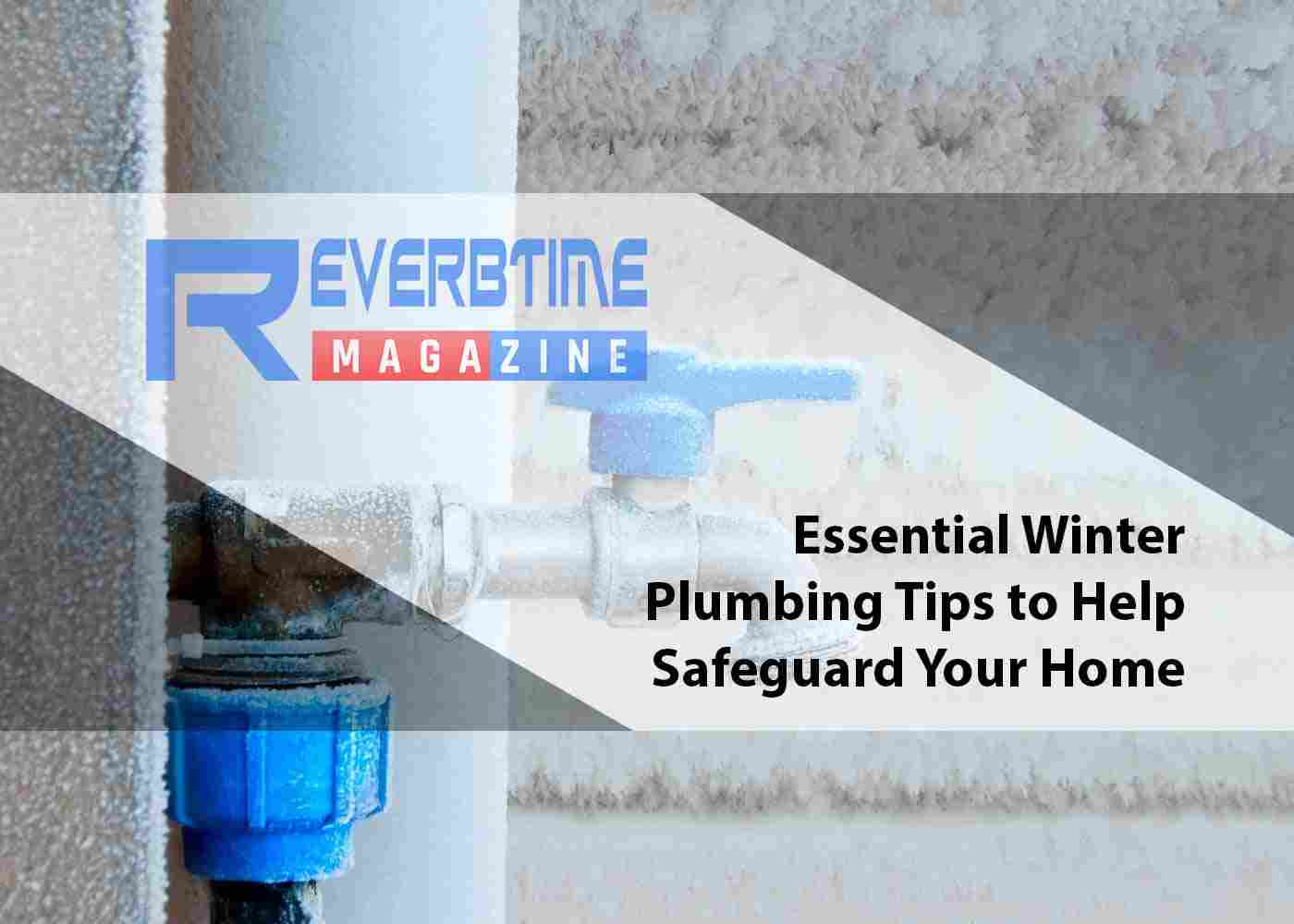
While winter's snowy landscapes and cozy evenings are great,
they do come with their particular set of problems for a homeowner, especially
where plumbing is concerned. The cold weather has a nasty way of causing pipes,
fixtures, and heating systems to break down, which are expensive to repair
unless preventative measures have been taken. To that, your plumbing professional
does have some critical prevention, maintenance, and quick fix tips to share.
Key Winter Plumbing Challenges
As temperatures lower, frozen pipes become a very real
issue. When water freezes, it expands, and this expansion can cause the pipes
to burst, which can cause leaks and serious water damage. While outdoor
plumbing systems, like garden hoses and sprinklers, are at a much higher risk,
indoor pipes within unheated areas like basements, attics, and crawl spaces can
also be damaged.
Hot water heaters have to work harder during winter, while
the continued supply of hot water puts additional burdens. If not serviced
regularly, such increased demand could result in malfunction or more rapid
deterioration.
Preparation before Winter Strikes
According to experts, winter plumbing problems are best
prevented rather than reacted to. The following will discuss what one should
consider as preparations for freezing temperatures:
1. Insulate Your Pipes
Insulate exposed pipes in unheated areas of your home with
pipe insulation sleeves or heat tape. This can help prevent freezing. Pay
particular attention to pipes near exterior walls, in basements, and in attics.
2. Drain Outdoor Faucets and Hoses
Disconnect garden hoses and drain outdoor faucets to prevent freezing (nf). Turn off water to outside spigots, when possible,
and cover them with insulated faucet covers.
3. Check the Water Heater
Flush your water heater to remove any built-up sediment that
might reduce efficiency. Check the thermostat on it and set it to about 120°F
for best performance.
4. Seal Gaps and Cracks
Look at areas around your windows, doors, and where pipes
enter your home. Seal any gaps to help prevent cold air from entering and
freezing pipes.
5. Find Your Shut-Off Valve
Know the location of your main water shut-off valve in case
of an emergency. Quick action can prevent extensive water damage if a pipe
bursts.
Tips for Winter Plumbing Maintenance
Once winter sets in, regular maintenance is key to avoiding
plumbing disasters. Experts recommend the following:
1. Keep Indoor Temperatures Steady
Maintain a consistent indoor temperature of at least 55°F, even when you’re away. This helps prevent interior pipes from freezing.
During the winter months, homeowners often face the risk of frozen pipes, which can lead to costly damage. To help prevent this, check out these essential tips from Fuller Services on frozen pipes. Their expert advice includes insulating exposed plumbing, letting faucets drip during extreme cold, and keeping indoor temperatures consistent to ensure your pipes stay safe all season.
2. Run Water Regularly
Let the water drip from the faucet served by exposed pipes.
Running water is less likely to freeze.
3. Check for Frozen Pipes
Look for signs of frozen pipes, such as a lack of water
flow, visible frost or icing, or unusual noises coming from the pipes. If you
suspect a problem, call a plumber.
4. Check the Water Pressure
Low water pressure could indicate a frozen pipe. If the
supply is constrained, get to the root of the issue quickly to avoid a ruptured
pipe.
Service Your Heating System
Make sure your heating system is operating effectively, as
poor heating can indirectly cause pipes to freeze in unheated locations.
1. Dealing with Frozen Pipes
Even with precautions, sometimes pipes freeze. Taking action
as quickly as possible can limit the damage:
2. Turn Off the Water Supply
Turn off the main water supply to reduce pressure on frozen
pipes and minimize flooding if the pipe bursts.
3. Thaw the Pipe Gradually
Apply heat to the frozen section using a hairdryer or warm
towels. Start from the faucet end and work toward the frozen area. Avoid using
open flames, which can cause fires or damage pipes.
4. Call a Professional
If you’re unable to locate the frozen pipe or it has already
burst, contact a licensed plumber immediately. Attempting to fix a burst pipe
yourself can lead to more extensive damage
Protecting Plumbing During Extended Absences
If you’re planning to be away during the winter, take
additional precautions to protect your plumbing:
1. Shut Off Water Supply
Turn off the main water supply and drain your pipes by
running faucets until no water flows.
2. Leave Heating On
Set your thermostat at least to 55°F to avoid freezing of
pipes.
3. Open Cabinet Doors
Leave the cabinet doors under the sinks open to circulate
the warm air to the pipes.
When to Call a Professional
While much plumbing can be done by most homeowners, there
are absolutely certain situations that require professional attention. If any
of the following exist, call in a plumber: Persistent leaks or dripping from
faucets and fixtures, signs of water damage such as discolorations or dampness
on walls and ceilings, inability to thaw frozen pipes after trying safe
methods.
Sudden increases in your water bill, possibly indicating
leaks that aren't obvious.
Conclusion
Winter does not have to be a time of plumbing problems. A
little advanced preparation, regular maintenance, and the knowledge of how to
address minor problems go a long way in keeping your plumbing running well.
Remember, the cost of prevention is way less than the expense involved in
repairing water damage or replacing pipes. And when in doubt, it is always
better to seek professional advice to protect your home and enjoy a worry-free
winter.
Share:


