

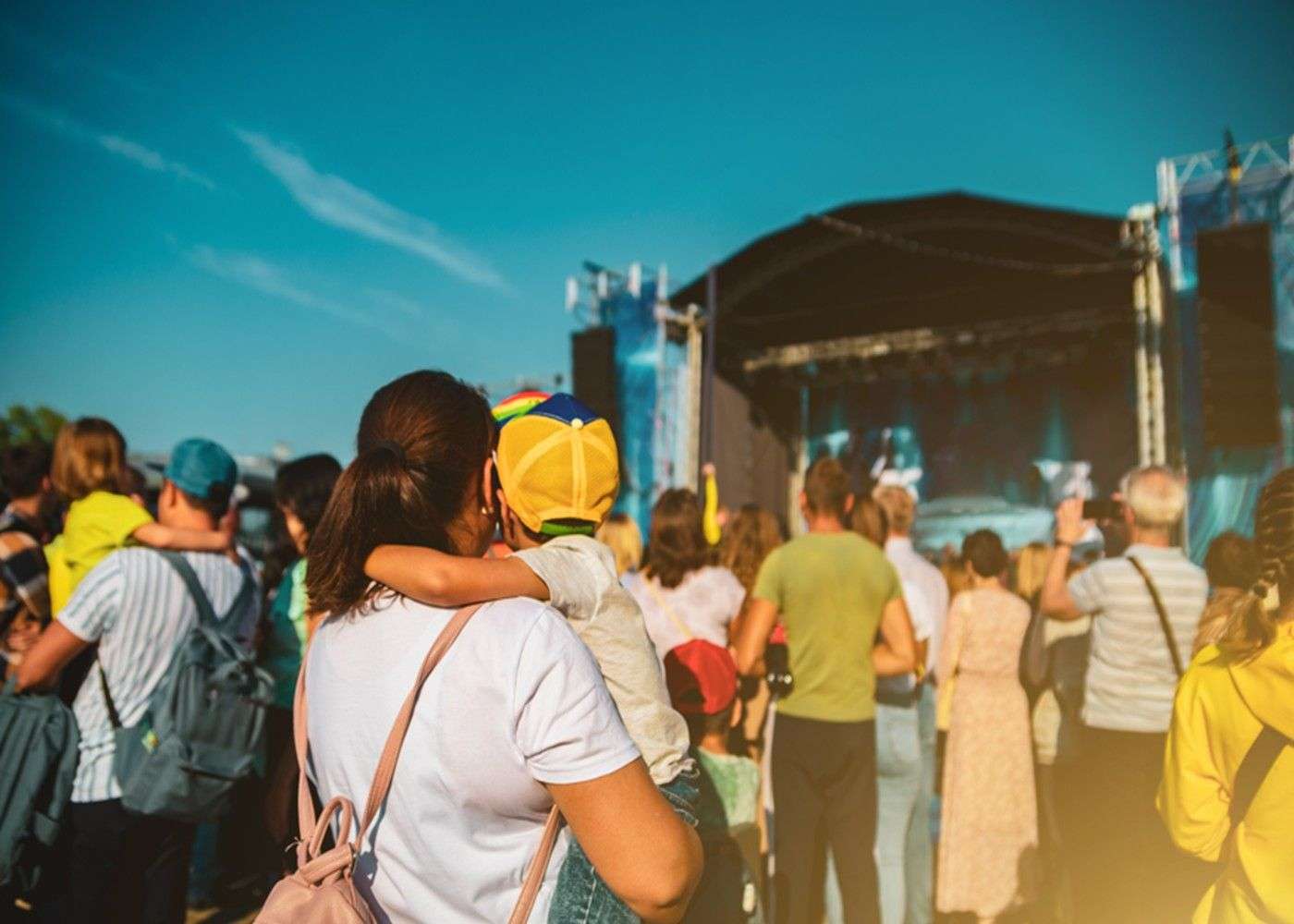
Hosting an event, whether it’s a small community gathering
or a large-scale festival, is significant—ensuring the safety and well-being of
attendees. Safety encompasses a wide range of considerations, from preventing
security breaches to mitigating fire hazards. Proper planning and precautionary
measures are essential to create a secure environment that allows guests to
enjoy the event without worry. Here’s a comprehensive guide to help event
organizers focus on security and fire prevention while safeguarding everyone
involved.
The Importance of Event Safety
Creating a Secure Environment
A safe event environment fosters trust and confidence among
participants, staff, and vendors. Security risks, such as theft or violence,
can endanger attendees and harm the event’s reputation. Prioritizing safety
measures ensures a seamless experience and minimizes liability.
Preventing Fire Hazards
Fire prevention is another critical aspect of event
planning. Events often bring together large crowds, temporary structures, and
various equipment, which can increase the risk of fire. Taking the right
precautions can prevent potential disasters and save lives.
Planning for Safety
Conducting Risk Assessments
A thorough risk assessment is a crucial first step in event
safety planning. Identify potential risks specific to the event type, location,
and audience size. For example, if your event includes pyrotechnics or cooking
demonstrations, assess the fire hazards these activities might bring.
Similarly, evaluate the likelihood of security risks, such as unauthorized
access or theft.
Developing Emergency Response Plans
Once potential risks are identified, create a comprehensive
emergency response plan addressing both security and fire prevention. This plan
should include evacuation routes, designated assembly points, and clear
communication protocols. Ensure that all event staff and volunteers are
familiar with the plan and know their specific roles during an emergency.
Working with Authorities
Collaborate with local authorities, including law
enforcement, fire departments, and emergency medical services, during the
planning phase. They can provide guidance on local regulations, assist with
inspections, and offer resources to enhance safety measures. Their involvement
ensures that all safety plans are aligned with legal requirements and best
practices.
Security Measures for Events
Controlling Access
Effective crowd control starts with managing who enters and
exits the event. Use ticketing systems and wristbands to regulate entry. Deploy
trained security personnel at entrances to check tickets and screen guests for
prohibited items. Limiting access points can also streamline monitoring and
prevent unauthorized entry.
Monitoring Crowd Behavior
Crowd management is critical for preventing incidents like
altercations or stampedes. Position trained security staff throughout the venue
to monitor crowd behavior and address issues promptly. Ensure that walkways,
exits, and key areas are clear of obstructions to prevent congestion during
emergencies.
Enforcing Bag Checks and Metal Detectors
Bag checks and metal detectors can enhance event security by
identifying potential threats, such as weapons or unauthorized materials. While
these procedures may slightly delay entry, they are invaluable for ensuring
that the event remains safe. Clear signage and communication about security
policies can help attendees understand the importance of these measures.
Preparing for Threats
Consider the specific threats your event might face, such as
theft, vandalism, or even cyberattacks for digital-based events. Develop
targeted strategies to address these scenarios. For example, secure
cash-handling areas with cameras and limited access, and ensure sensitive
attendee data is encrypted and protected. For more information, contact a
service provider like Security Services Northwest, Inc.
Fire Prevention and Safety
Assessing Fire Risks
Temporary structures, electrical equipment, and cooking
activities are common features of events, but can also pose fire hazards.
Conduct inspections to identify risks early. Ensure all electrical
installations are compliant with safety regulations and that open flames are
restricted to designated areas.
Installing Proper Fire Equipment
Fire safety starts with the right tools. Equip the venue
with fire extinguishers, fire blankets, and alarms. Make sure these items are
properly placed, well-maintained, and easy to access. Work with local fire
authorities to determine additional fire suppression systems, such as sprinkler
installations or fire-resistant materials.
Training Staff on Fire Safety
Educating event staff on fire safety is essential for a
coordinated response in case of an emergency. Staff should be well-informed
about the locations of fire extinguishers, trained in their proper use, and
fully familiar with evacuation procedures. Conducting regular fire drills ahead
of the event is essential to ensure everyone is confident and prepared in case
of an emergency.
Emergency Exit Planning
Clear, visible, and well-lit emergency exits are
non-negotiable. Conduct walkthroughs to ensure that all exits are functional
and unobstructed. Signage leading to exits should be visible from anywhere in
the venue, and backup lighting systems should be in place in case of power
outages. For more information, contact a retailer like Fire Protection Services Pty Ltd.
The Role of Technology in Event Safety
Monitoring with Surveillance Cameras
Technology plays a significant role in enhancing event
security. Surveillance cameras provide real-time monitoring and can help
identify potential issues before they escalate. Strategically placing cameras
in high-traffic areas and key points, such as entryways and parking lots, ensures
a broad view of activities at the venue.
Using Communication Tools
Two-way radios, mobile apps, or other communication tools
are essential for keeping staff informed and connected during the event. This
is particularly important for large venues or outdoor festivals, where team
members can be spread across long distances. Reliable communication ensures
quick responses to security or fire incidents.
Implementing Access Control Systems
Access control systems, such as electronic locks or
credential verification, can provide an added layer of security. For larger
events, RFID wristbands or QR codes on tickets can help track attendance and
control access to restricted areas.
Enhancing Fire Prevention with Detection Systems
Modern fire detection systems can identify hazards, such as
smoke or unusual temperature changes. Advanced sensors integrated with alert
systems can promptly notify event organizers and fire authorities, allowing
quicker responses and prevention efforts.
Staff and Volunteer Training
Educating for Preparedness
Trained staff and volunteers are the backbone of a safe
event. Conduct workshops or training sessions emphasizing both security and
fire prevention protocols. Provide team members with manuals outlining
emergency procedures, and offer role-specific training where necessary.
Practicing Emergency Drills
Nothing solidifies knowledge like practice. Regular
emergency drills can boost confidence and coordination among team members,
ensuring they know how to act quickly and effectively during real incidents.
Invite local emergency services to participate in these drills for added
realism.
Staying Calm Under Pressure
Training should also emphasize the importance of staying
calm, following protocols, and leading attendees to safety. A prepared and
composed team can effectively manage crises and minimize risks.
Best Practices for a Safe and Secure Event
Proactive Planning: Start safety preparations early,
incorporating input from security experts and fire authorities.
- Clear Communication: Inform attendees about policies
regarding prohibited items, emergency evacuation plans, and other relevant
safety measures.
- Adequate Staffing: Ensure there are enough trained staff and
volunteers on-site to cover all safety needs, including security patrols and
fire monitoring.
- Compliance with Regulations: Adhere to local laws and safety
standards for fire safety, crowd control, and equipment use.
Prioritizing safety enhances the success of any event. By
focusing on both security and fire prevention, you create a safe environment
and build trust and confidence among your attendees. From risk assessments to
training staff and leveraging technology, comprehensive preparation ensures a
seamless and enjoyable experience for everyone. Remember, safety is not just a
box to check—it’s an ongoing commitment that ensures your event remains
memorable for all the right reasons.
Share:


