


Hormonal imbalances can lead to a variety of health issues
in women, including conditions such as endometriosis, urinary tract infections
(UTIs), menopause symptoms, and premenstrual syndrome (PMS) or premenstrual
dysphoric disorder (PMDD).
A natural treatment for female hormone imbalance involves making dietary changes to support the
endocrine system and regulate hormone production.
Consuming nutrient-dense foods can help alleviate symptoms,
reduce inflammation, and promote overall hormonal health.
Understanding Female Hormonal Imbalance
Hormones are chemical messengers that regulate various
bodily functions, including metabolism, reproduction, mood, and immune
responses.
An imbalance in hormones can lead to conditions such as:
- Endometriosis: A
painful condition where tissue similar to the uterine lining grows outside the
uterus.
- Urinary Tract Infections (UTIs): Recurrent infections affecting the urinary system, often
linked to hormonal changes.
- Menopause:
A natural decline in reproductive hormones, leading to symptoms like hot
flashes, mood swings, and sleep disturbances.
- PMS
(PMDD): A group of symptoms occurring before menstruation, including mood
swings, bloating, and fatigue.
By incorporating hormone-balancing foods, women can help
manage these issues naturally and improve their well-being.
Top Foods to Balance Female Hormones Naturally
1. Flaxseeds
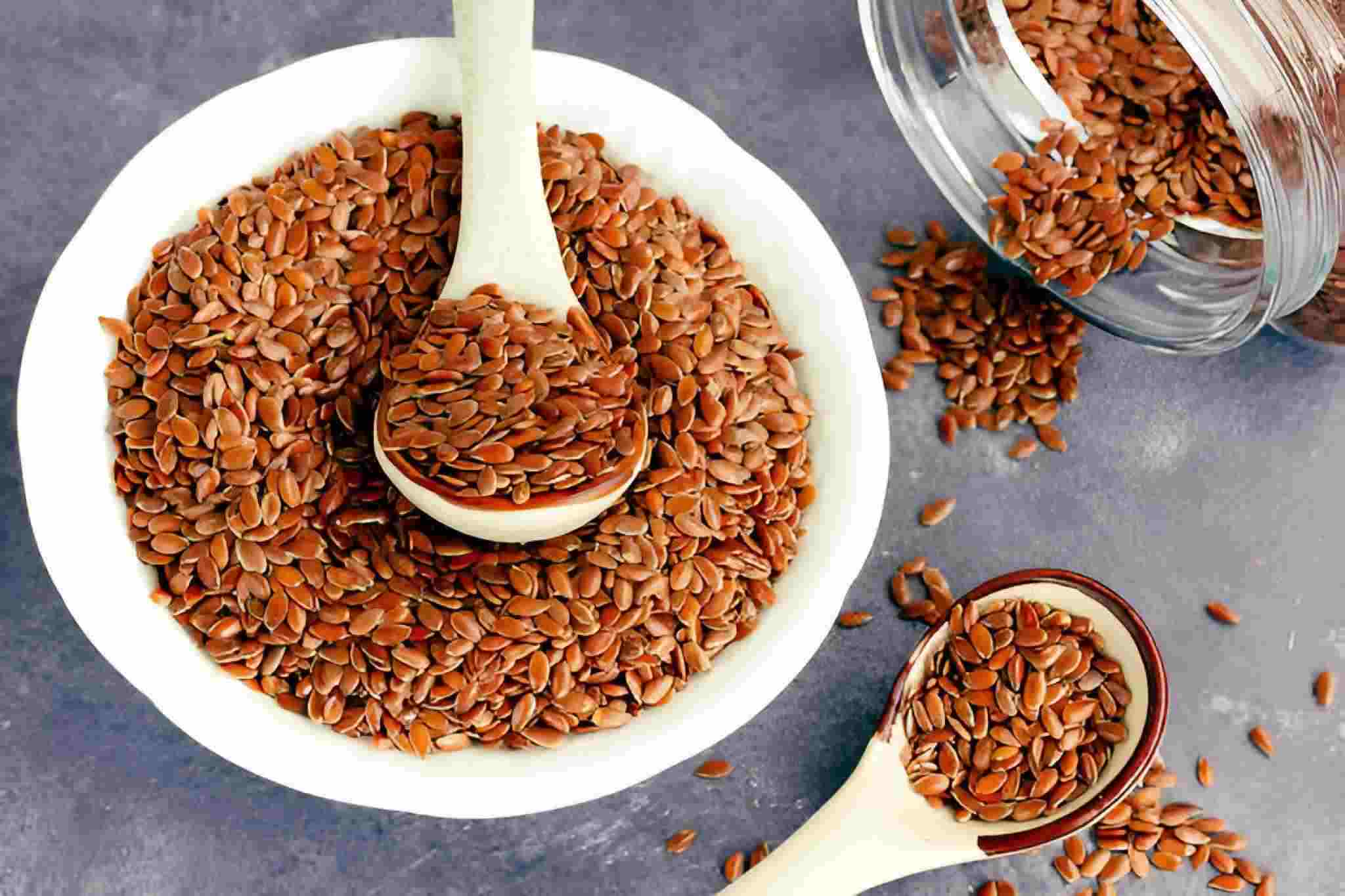
Flaxseeds are rich in lignans, a type of phytoestrogen that
helps regulate estrogen levels. They also contain omega-3 fatty acids, which
reduce inflammation and support reproductive health. Consuming flax seeds may
be beneficial in alleviating symptoms associated with endometriosis and
menopause.
How to Use: Add ground flax seeds to smoothies, yogurt, or
oatmeal.
2. Leafy Greens (Spinach, Kale, Swiss Chard)
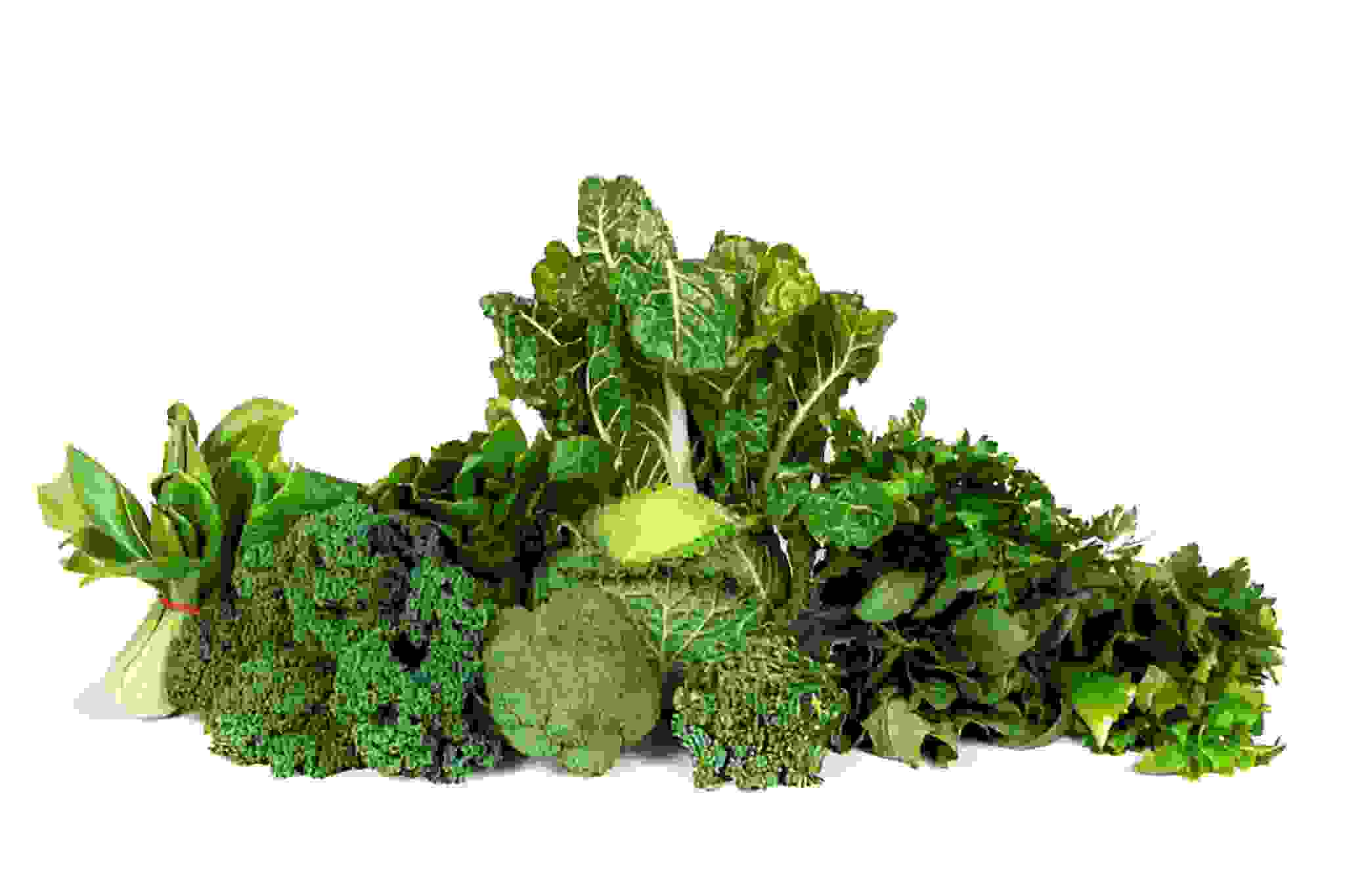
Leafy greens are packed with essential vitamins and
minerals, including magnesium, which supports adrenal function and helps reduce
PMS symptoms. Their anti-inflammatory properties also help in conditions like
endometriosis.
How to Use: Include them in salads, stir-fries, or green
smoothies.
3. Avocados
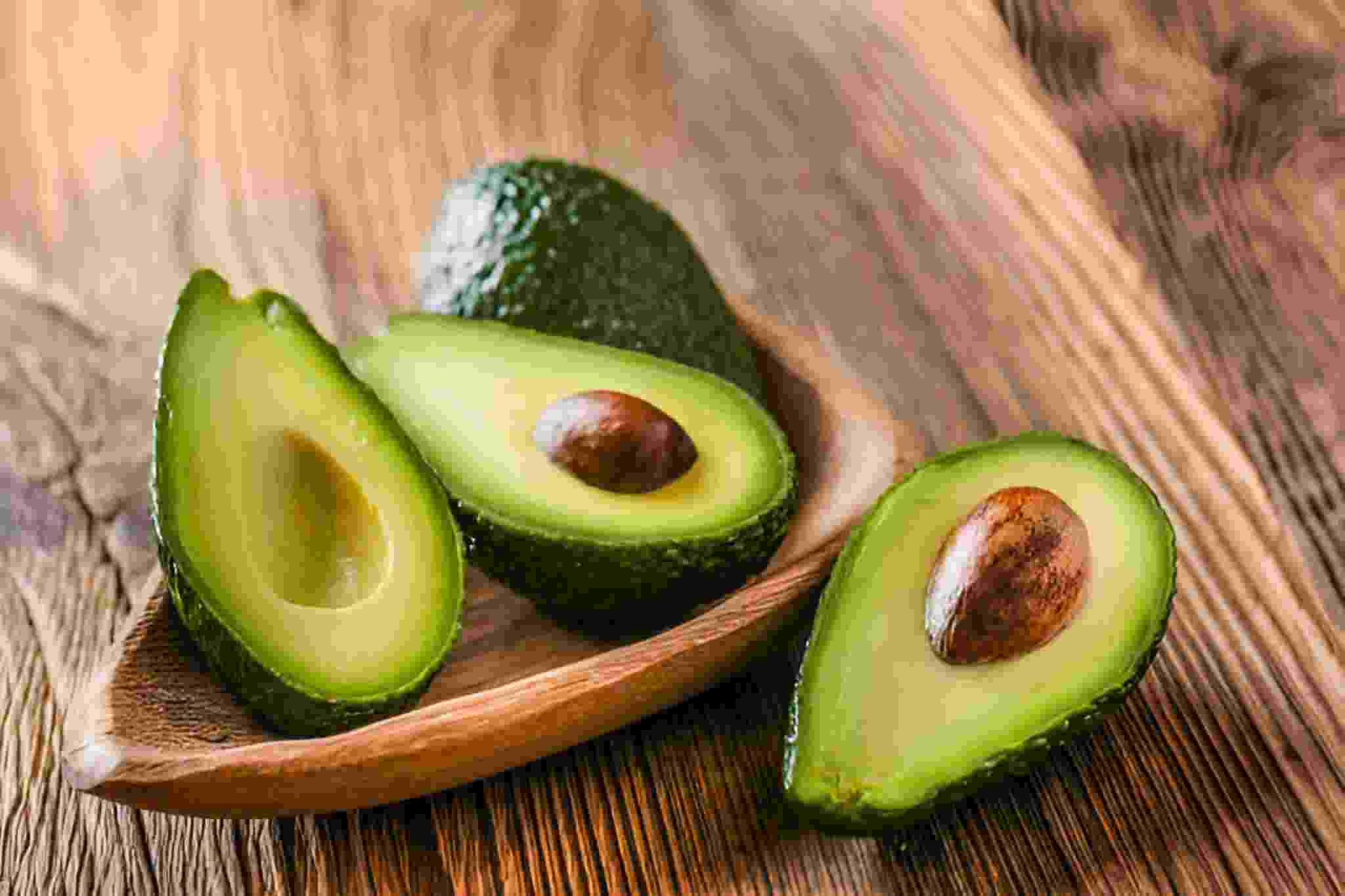
Avocados provide healthy fats that aid in hormone production
and balance cortisol levels, the stress hormone. They are beneficial in
reducing PMS symptoms and improving overall hormonal function.
How to Use: Enjoy in salads, spreads, or smoothies.
4. Salmon and Fatty Fish
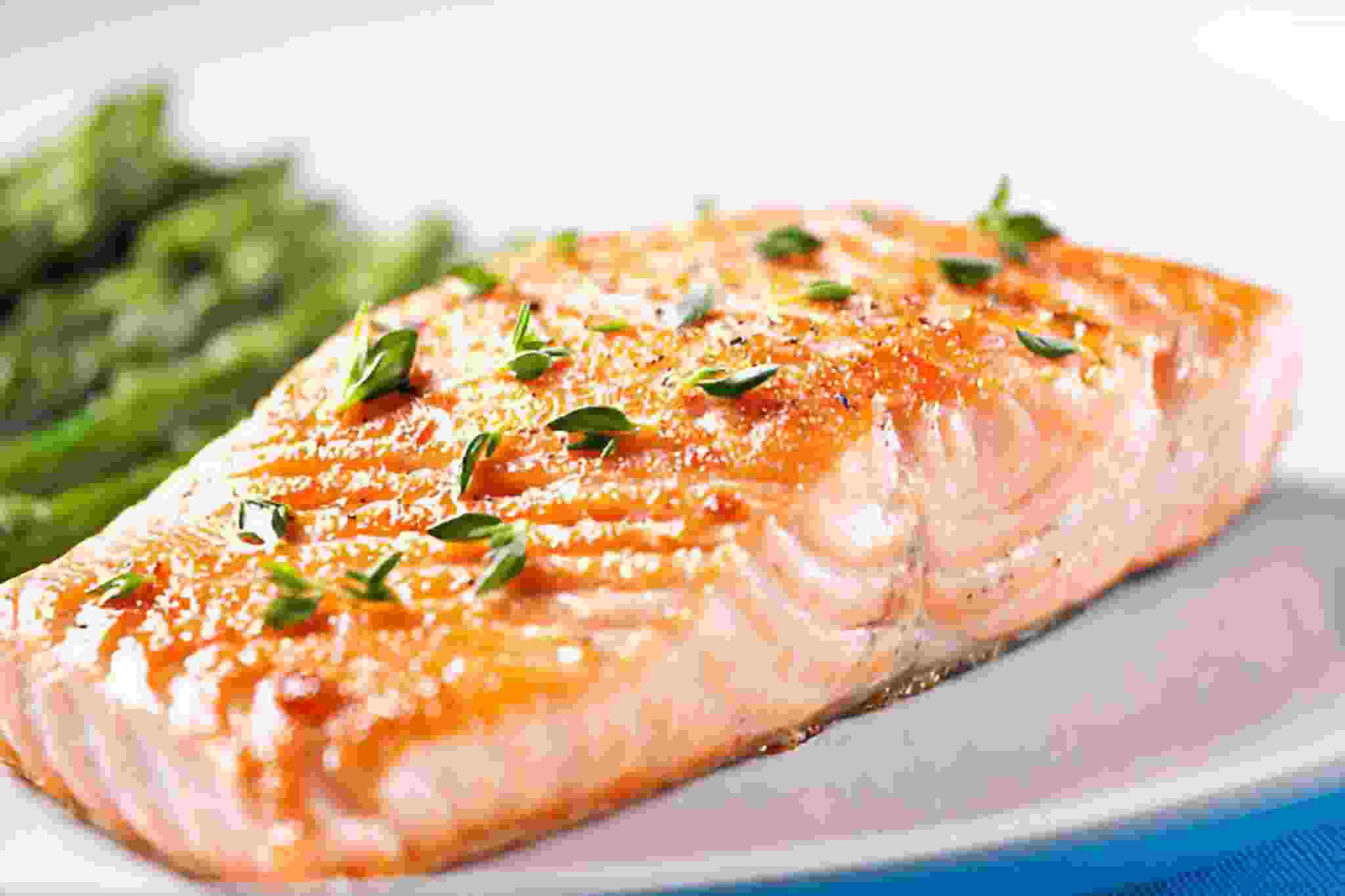
Fatty fish like salmon, mackerel, and sardines are excellent
sources of omega-3 fatty acids, which reduce inflammation and support hormone
production.
They are particularly helpful for women experiencing
menopause and PMS-related mood swings.
How to Use: Grill, bake, or add to salads.
5. Nuts and Seeds (Almonds, Walnuts, Chia Seeds)
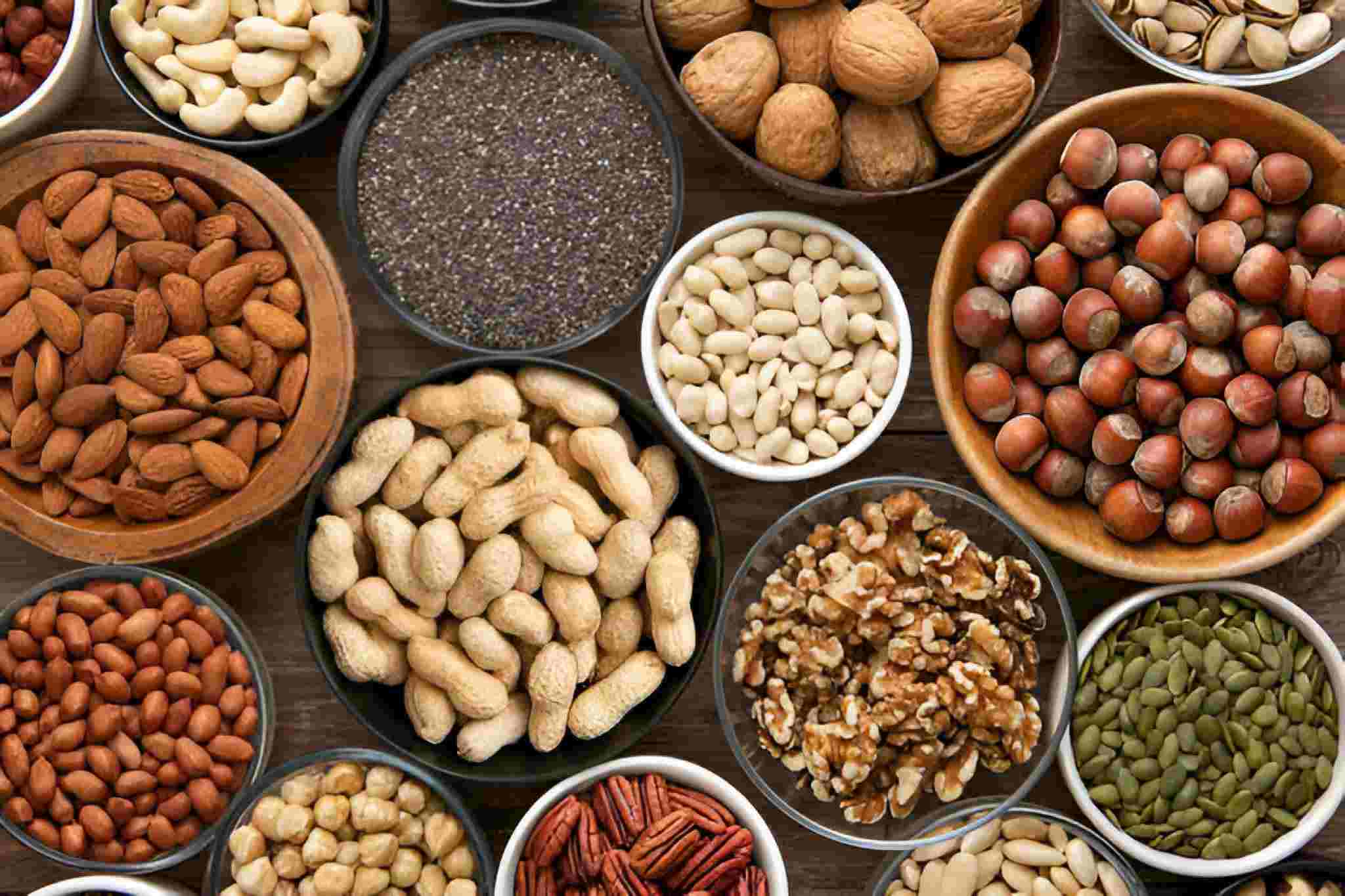
These are rich in healthy fats, fiber, and essential
minerals that promote hormone balance. Almonds and walnuts provide vitamin E,
which supports estrogen regulation, while chia seeds contain omega-3s for
anti-inflammatory benefits.
How to Use: Snack on a handful of nuts or add seeds to
smoothies.
6. Turmeric
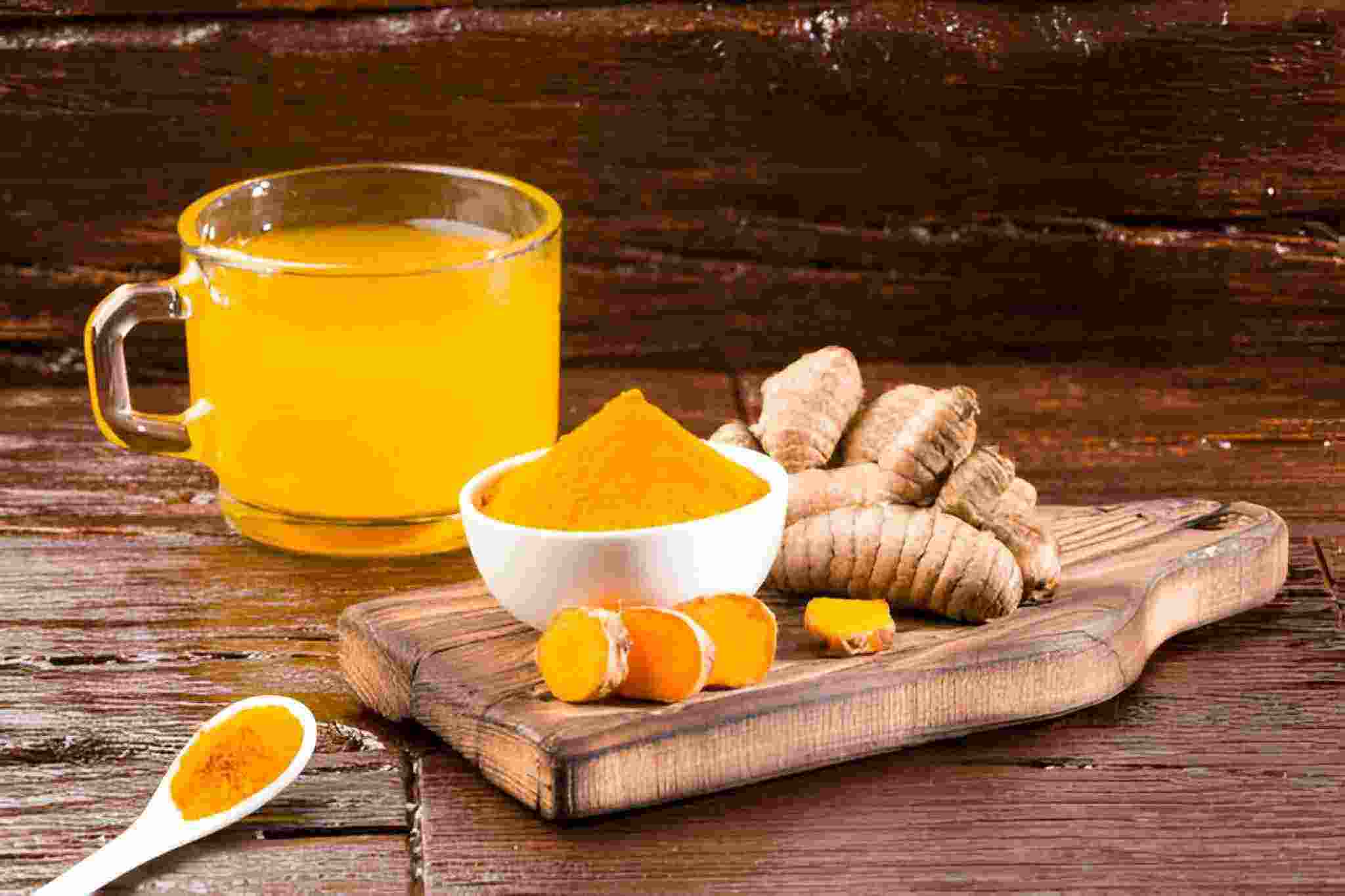
Turmeric contains curcumin, a powerful anti-inflammatory
compound that may help reduce pain and inflammation associated with
endometriosis and UTIs. It also supports liver detoxification, aiding in
hormone regulation.
How to Use: Add turmeric to curries, teas, or warm milk.
7. Fermented Foods (Yogurt, Kimchi, Sauerkraut)
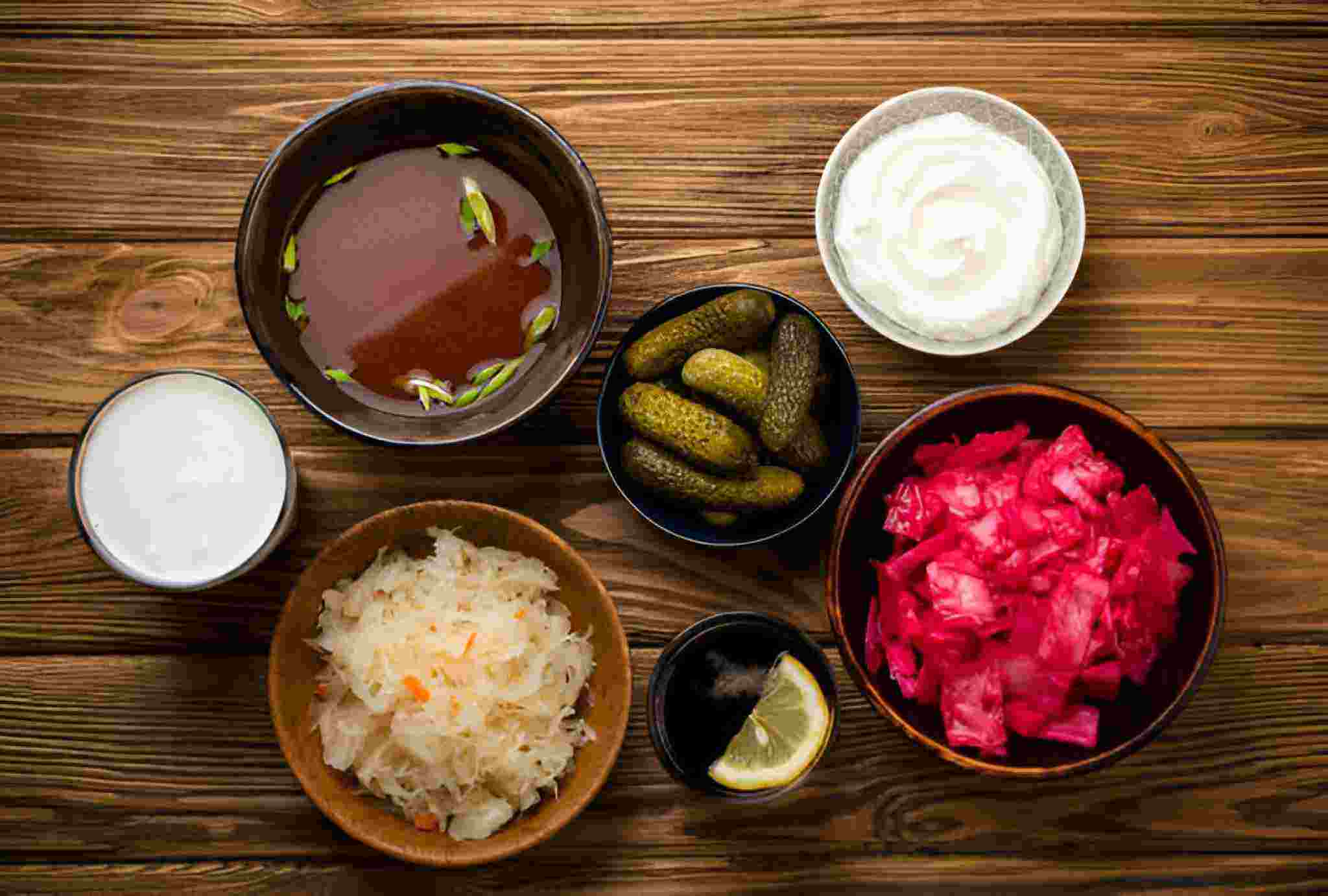
Fermented foods provide probiotics that support gut health,
which is closely linked to hormonal balance. A healthy gut can improve estrogen
metabolism and reduce PMS symptoms.
How to Use: Include probiotic-rich foods in your daily diet.
8. Berries (Blueberries, Strawberries, Raspberries)
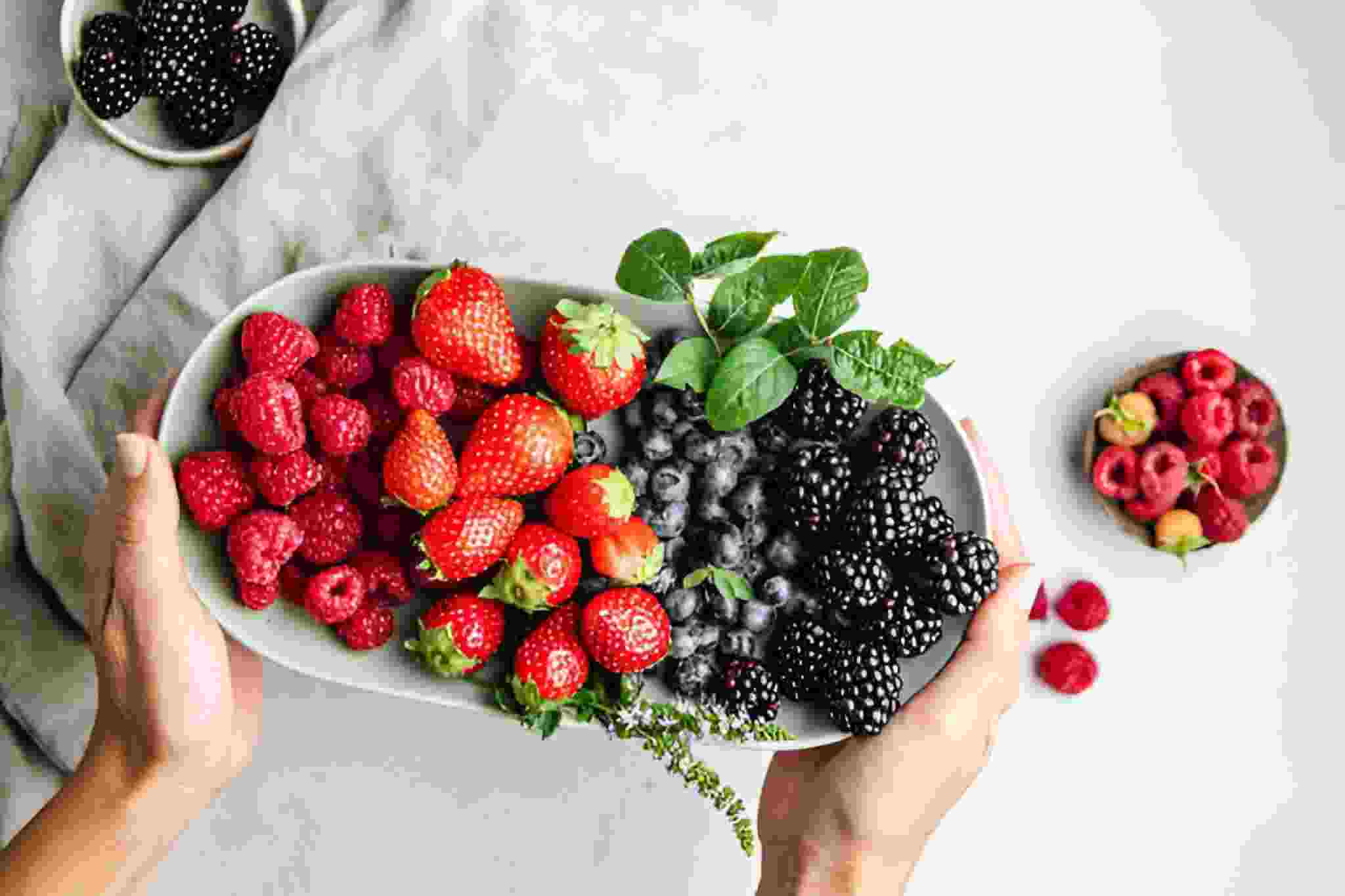
Berries are high in antioxidants that help combat oxidative
stress and inflammation, both of which contribute to hormonal imbalances. They
are especially beneficial for women dealing with PMS and menopause symptoms.
How to Use: Eat fresh, in smoothies, or as a topping for
yogurt.
9. Cruciferous Vegetables (Broccoli, Cauliflower, Brussels Sprouts)
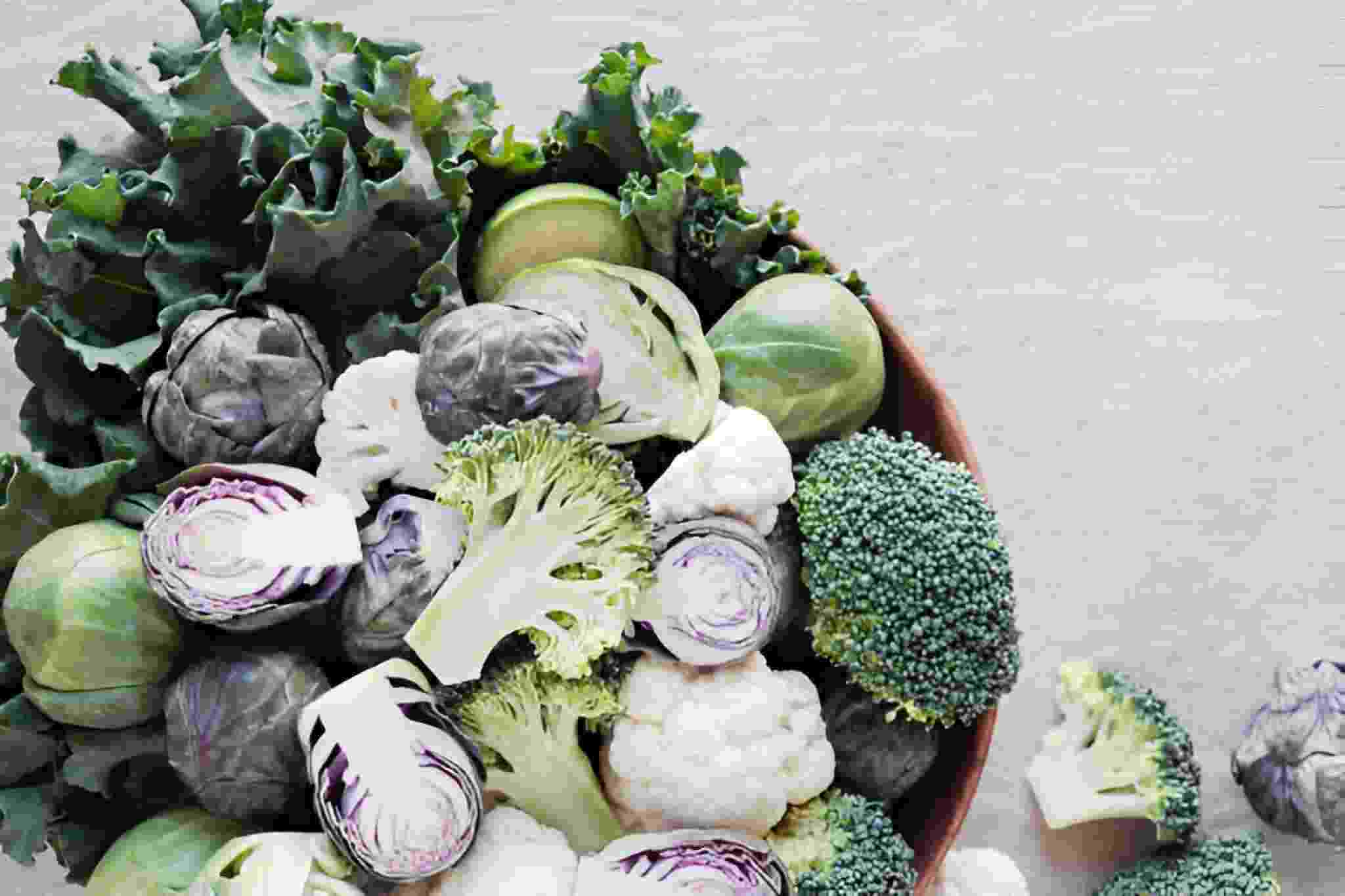
These vegetables contain indole-3-carbinol, a compound that
supports estrogen metabolism and detoxification. They are excellent for
managing estrogen dominance, a common issue in conditions like endometriosis.
How to Use: Steam, stir-fry, or roast for a healthy side dish.
10. Dark Chocolate (70% Cocoa or Higher)
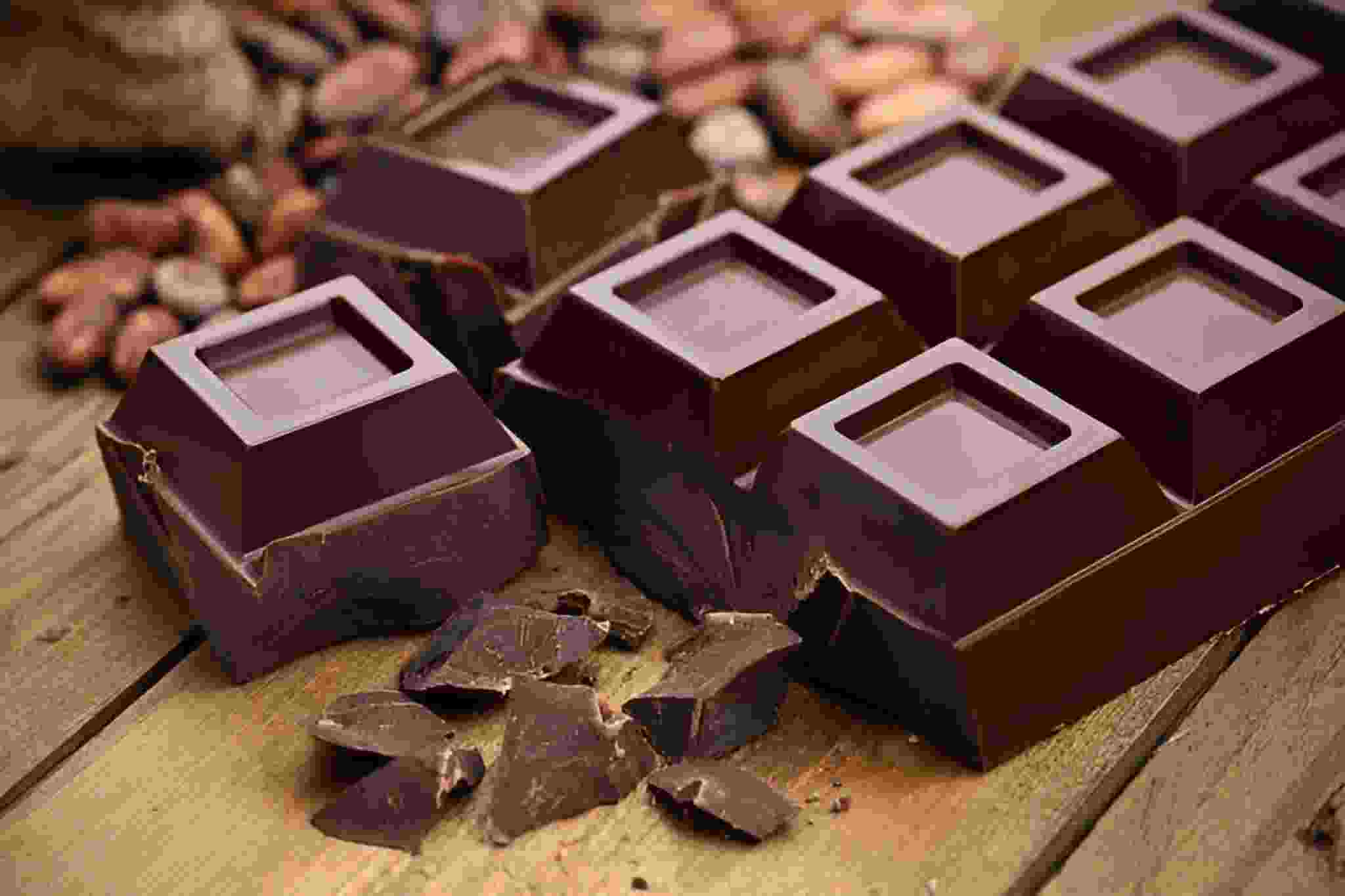
Dark chocolate contains magnesium and antioxidants that help
regulate cortisol and serotonin levels, reducing stress and improving mood
swings associated with PMS and menopause.
How to Use: Enjoy a small piece daily as a healthy treat.
11. Eggs
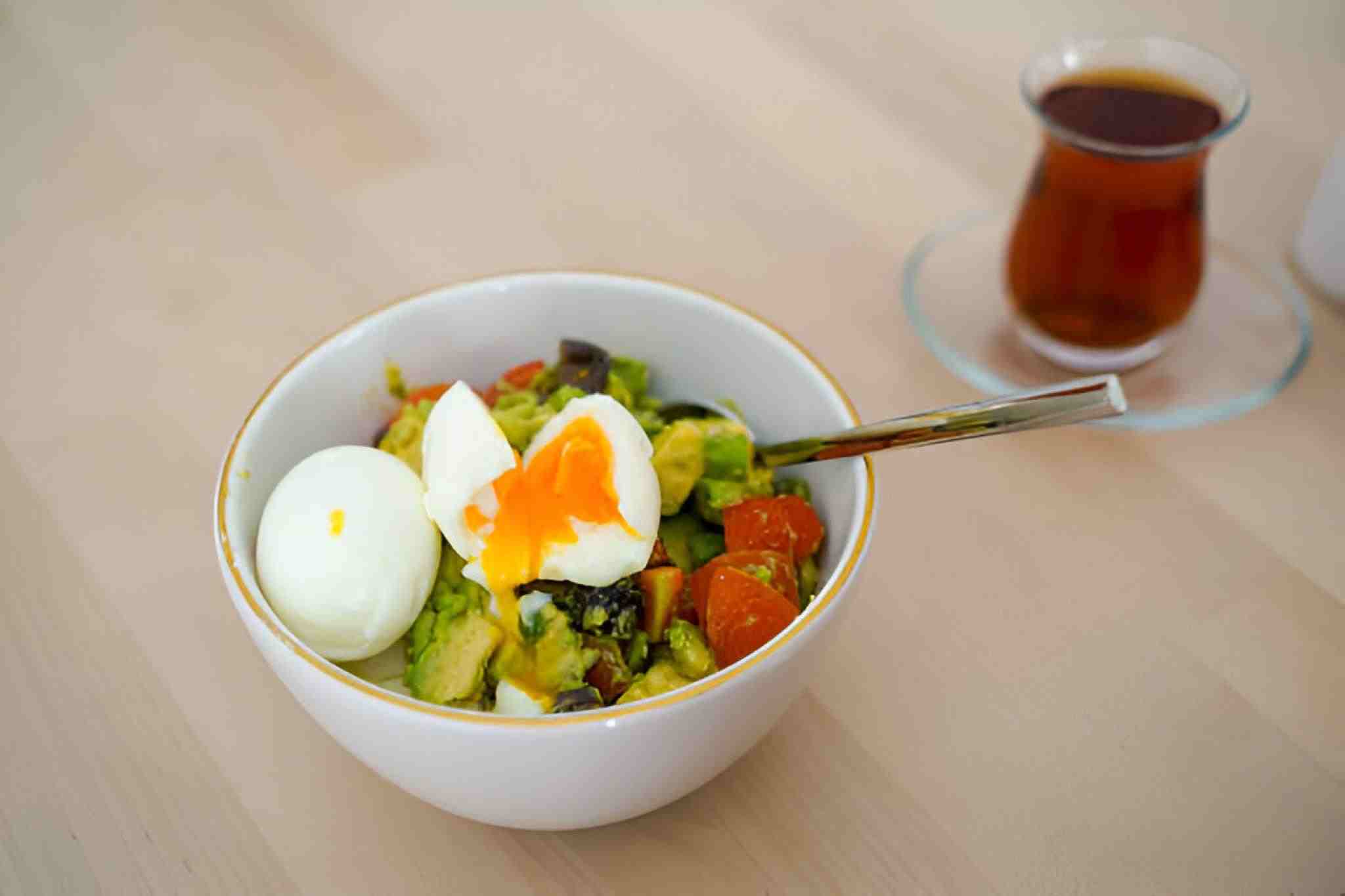
Eggs provide essential proteins and healthy fats that
support the production of reproductive hormones. They are particularly
beneficial for managing PMS and keeping energy levels stable.
How to Use: Boil, scramble, or use in various recipes.
12. Legumes (Lentils, Chickpeas, Beans)
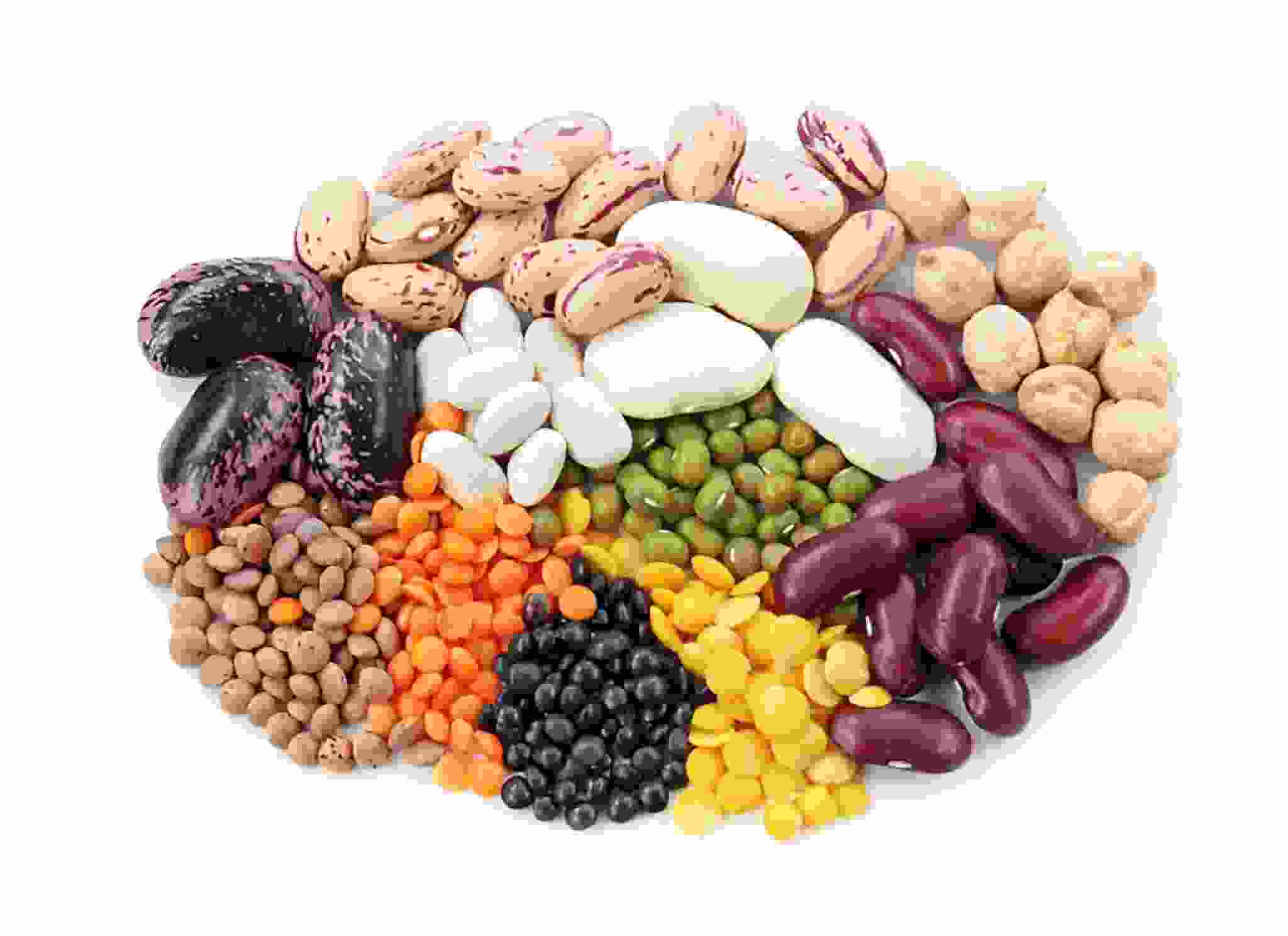
Legumes are high in fiber and plant-based proteins, which
help regulate blood sugar and reduce hormonal fluctuations. They are beneficial
for women experiencing PMS and menopause.
How to Use: Add to soups, salads, or stews.
13. Whole Grains (Quinoa, Brown Rice, Oats)
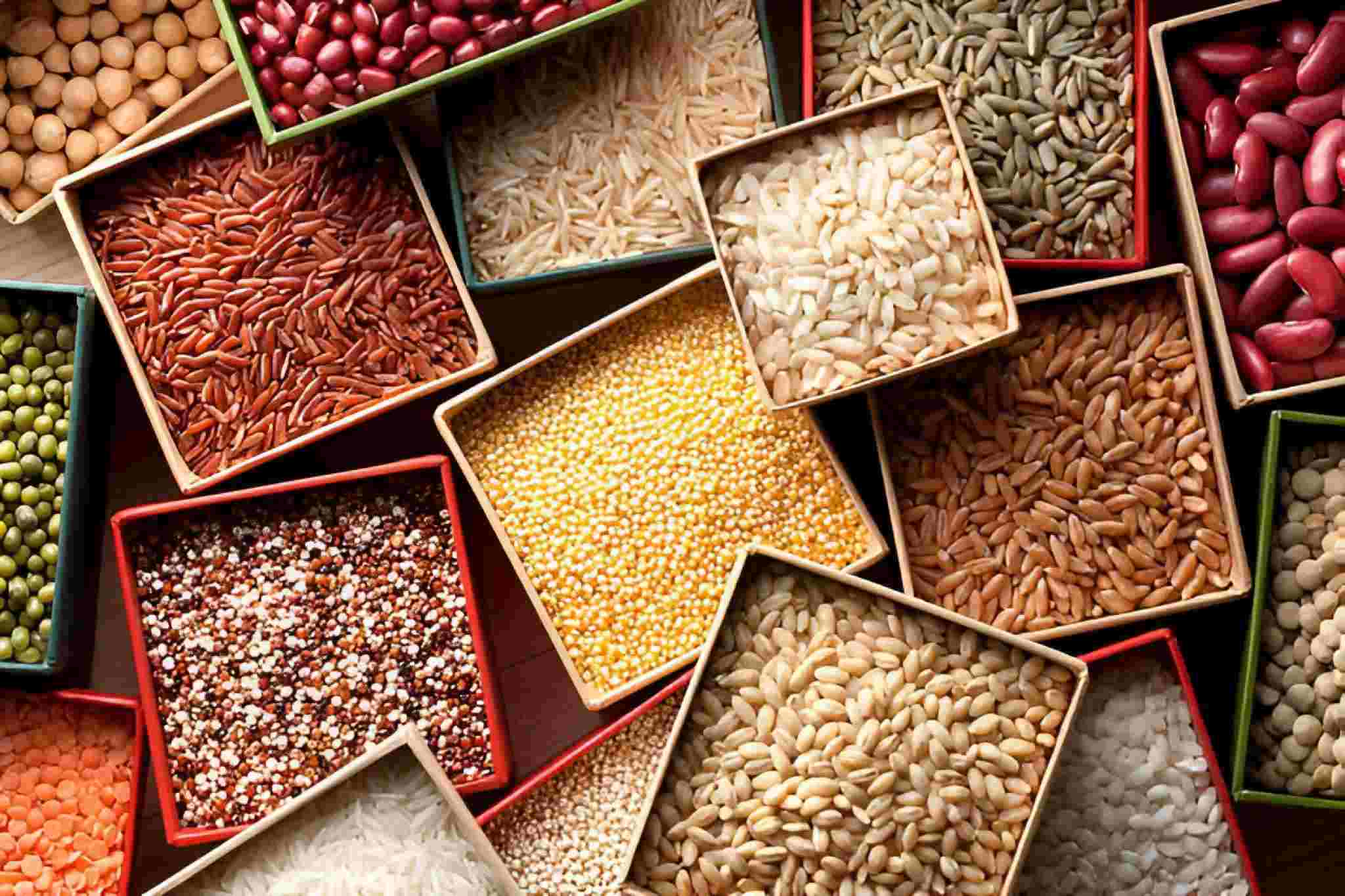
Whole grains provide fiber, which supports digestion and
helps the body eliminate excess hormones. They are particularly useful for
stabilizing blood sugar and reducing PMS symptoms.
How to Use: Swap refined grains for whole grains in meals.
14. Green Tea
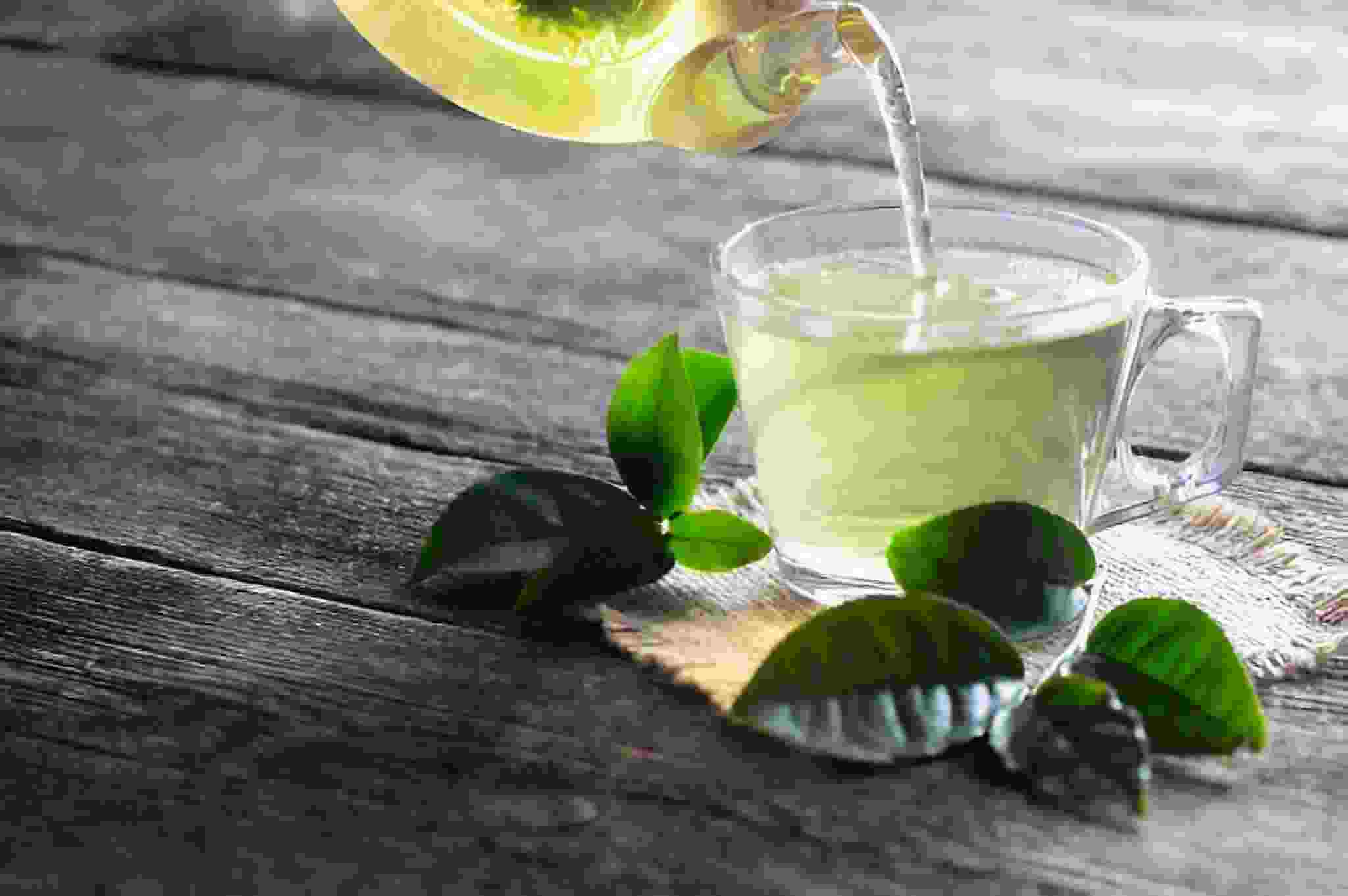
Green tea contains antioxidants and polyphenols that support
liver detoxification and hormonal balance. It is particularly effective in
managing symptoms of PMS and menopause.
How to Use: Drink a cup daily as a refreshing beverage.
Foods to Cure Specific Conditions
- Endometriosis: Flaxseeds, turmeric, salmon, cruciferous
vegetables.
- UTIs: Probiotic-rich foods, turmeric, green tea, berries.
- Menopause: Flaxseeds, fatty fish, dark chocolate, whole
grains.
- PMS (PMDD): Leafy greens, nuts, dark chocolate, avocados.
Final Thoughts
Balancing female hormones naturally through diet is an
effective way to manage common issues such as endometriosis, UTIs, menopause,
and PMS (PMDD).
Incorporating nutrient-dense foods that support hormonal
health can improve overall well-being and reduce symptoms.
By following a balanced diet, women can adopt a natural
treatment for female hormone imbalance and enhance their quality of life.
Share:


