

For many high-net-worth investors, 2025 delivered a familiar
combination of market shocks, policy uncertainty and technological
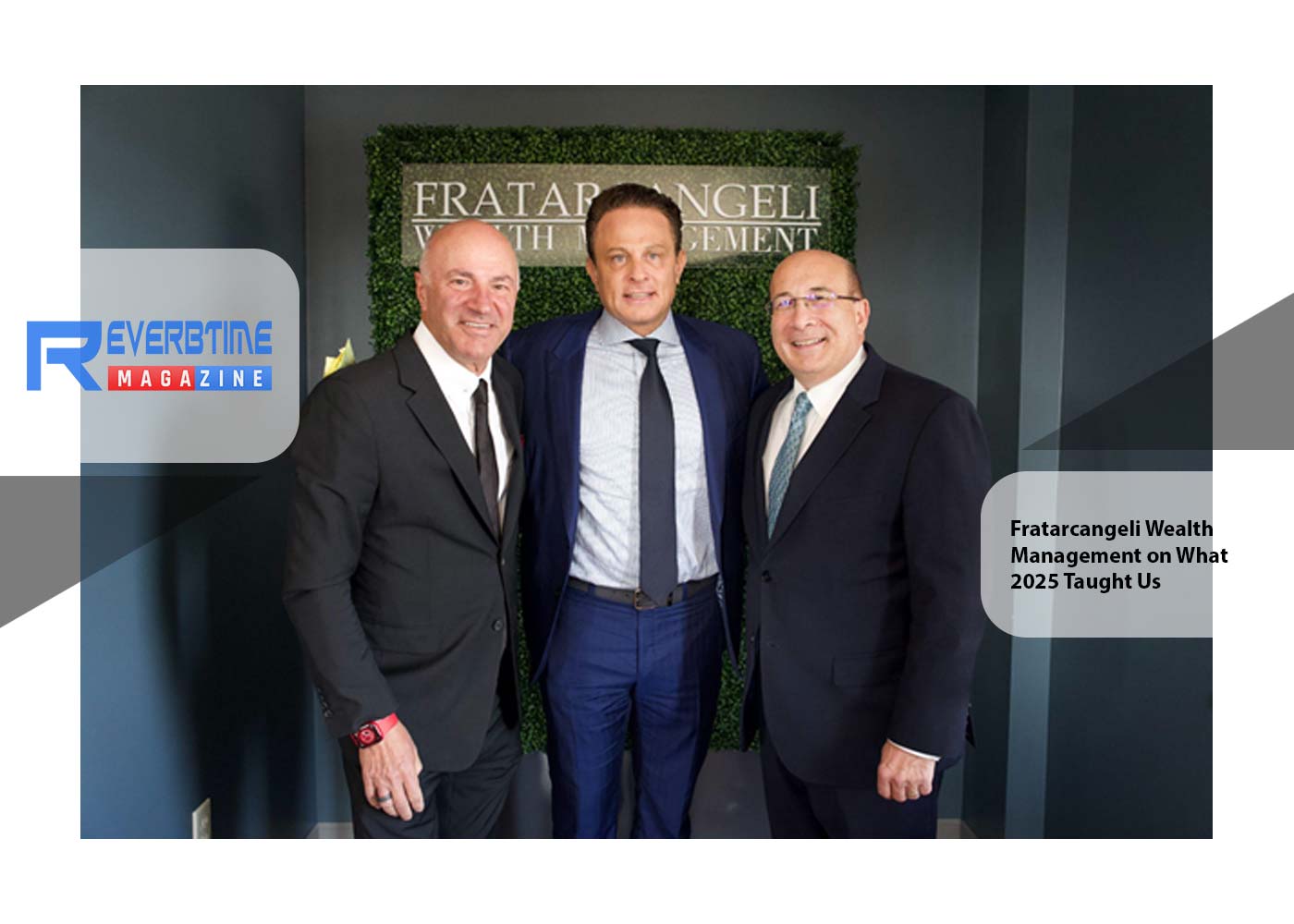
acceleration. For Jeffrey Fratarcangeli, founder and CEO of Fratarcangeli Wealth Management, the year
underscored a simple truth: emotional decision-making remains the biggest
threat to long-term wealth.
“Many investors were nervous early in 2025,” Fratarcangeli
explains. “Markets reacted sharply to tariffs, and some clients wanted to get
more conservative. But short-term reactions rarely create long-term success.”
Below are four key lessons from 2025 that he believes should
anchor investor behavior moving into 2026.
Emotional Investing Is Costly. Liquidity Is the Antidote.
In spring 2025, heightened tariff uncertainty rattled
markets. Many investors debated reducing exposure or moving to cash out of fear
rather than strategy.
“That uncertainty caused the market to overreact,”
Fratarcangeli says. “You cannot let fear drive decisions. Liquidity gives you
the ability to protect yourself without abandoning long-term discipline.”
At Fratarcangeli Wealth Management, review of client liquidity needs is a constant conversation, not just a concern during
volatile periods.
“You never want to invest money you will need in the short
term,” he adds. “That is where mistakes happen.”
It is a principle he has emphasized repeatedly: liquidity is
not a luxury; it is a requirement for avoiding forced, poorly timed selling.
Policy Shifts Require Education and Readiness, Not Guesswork
2025 reminded high-net-worth individuals that policy
risk, not market performance, drives many year-end financial decisions. From
charitable deduction changes beginning in 2026 to updated rules around capital
gains and corporate deductions, timing mattered.
“We spent much of the year helping clients understand what
was actually changing,” Fratarcangeli says. “The charitable deduction rules,
for example, are going to reduce write-offs for many of our clients. Our
clients needed to act and plan for the future, before the changes hit, not
after.”
His firm accelerated donor-advised fund strategies, capital
gains reviews and loss harvesting well before year-end deadlines. For corporate
clients, the retroactive 100% deduction on R&D and machinery spending was a
major planning opportunity.
“If there is a rule that helps you reduce your tax burden
this year and improve next year’s quarterly cash flow, you should take
advantage of it,” Fratarcangeli notes. “That is not speculation, that is
planning.”
Business Agility Was a Major Advantage in 2025, And Will Remain One in 2026
Supply chain uncertainty forced many companies to reassess
sourcing strategies, especially as trade tensions shifted throughout the year.
“Our clients adapted faster than I have seen in the past,”
Fratarcangeli says. “They were reevaluating suppliers in locations including
Mexico, China and Vietnam, sometimes on short notice. That level of agility
protected their margins.”
He expects that adaptability will remain critical in 2026,
especially given the likelihood of additional political and regulatory
volatility during a midterm election year.
“You cannot control policy,” he says. “But you can control
how prepared you are to pivot.”
AI-Fueled Productivity Surged, but Investors Must Separate Hype from Reality
Arguably, the most significant theme of 2025 was the
acceleration of corporate earnings driven by AI adoption. Companies became more
efficient, productive and profitable, and some did so using fewer resources.
“This was the best earnings growth year we have seen
historically,” Fratarcangeli notes. “It is directly tied to technological
advancements.”
But he cautions investors not to view every AI-labeled
opportunity as a sure bet.
“I lived through the 90s,” he explains. “Just because a
company has AI in the title does not mean it is going to deliver real market
value. We are in a period where valuations are moving on narrative. You have to
distinguish between companies that are truly positioned to benefit and those
that are not.”
The 2025 Takeaway: Long-Term Success Still Comes From Staying Grounded
What stood out most to Fratarcangeli was not the volatility
or the headlines, but how clients performed when they stayed consistent.
“We tell people all the time: stay focused on the long term
and protect yourself in the short term,” he says. “When you follow that, you do
not get thrown off every time the market reacts to a headline.”
Heading into 2026, he believes the single most important
mindset is clarity: knowing what money needs to stay liquid, what should be
positioned for long-term growth, and how to stay disciplined when markets
overreact.
“You do not need perfect predictions to be successful,” he
says. “You need a plan you actually follow.”
For more insight from Jeffrey Fratarcangeli, visit www.fratarcangeliwealth.com.
Share:


