

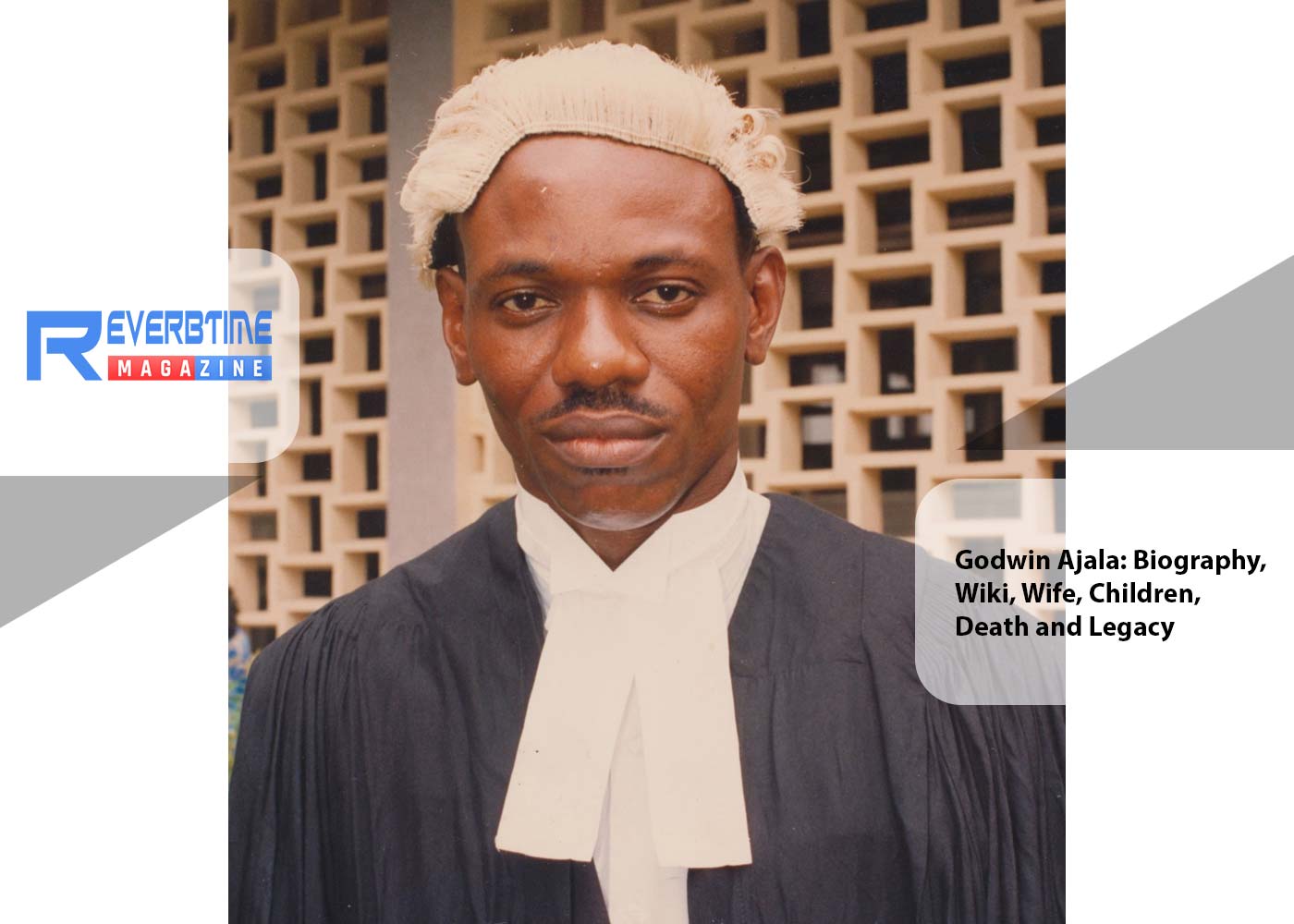
Early Life and Background
Godwin Ajala was born on June 9, 1968, in Ihenta, a small
town in what is now Ebonyi State in eastern Nigeria. His birth came during a
tumultuous period in Nigerian history, as his region was then part of the
breakaway Republic of Biafra, which had declared independence from Nigeria in
May 1967. The Nigerian Civil War (1967-1970), also known as the Biafran War,
was in its early stages when Ajala was born.
Ajala was the son of a local retailer in Ihenta. Following
the conclusion of the civil war in January 1970 and the reintegration of Biafra
into Nigeria, Ajala grew up in a nation working to rebuild and recover from the
conflict. While details of his early education are limited, we know that he
eventually pursued higher education and earned a law degree in Nigeria,
becoming a qualified lawyer in his home country.
Family Life
Godwin Ajala was married to Victoria Ajala, and together
they had three children:
- Onyinyechi Ajala, age 7 (in 2001)
- Uchechukwu Ajala, age 5 (in 2001)
- Ugochi Ajala, age 1 (in 2001)
The family resided in Ihenta, Nigeria, while Godwin pursued
opportunities abroad.
Journey to America
In 1995, at the age of 27, Ajala made the significant
decision to emigrate to the United States in search of better opportunities for
himself and his family. This move represented tremendous sacrifice, as it meant
separation from his wife and three young children. His ultimate goal was to
establish himself professionally in the United States and eventually reunite
with his family there.
Upon arriving in America, Ajala faced the challenges common
to many immigrants. He initially struggled to find stable employment and moved
between various low-paying jobs. Despite having legal qualifications from
Nigeria, his credentials did not transfer directly to the American legal
system, requiring him to pursue additional certification to practice law in the
United States.
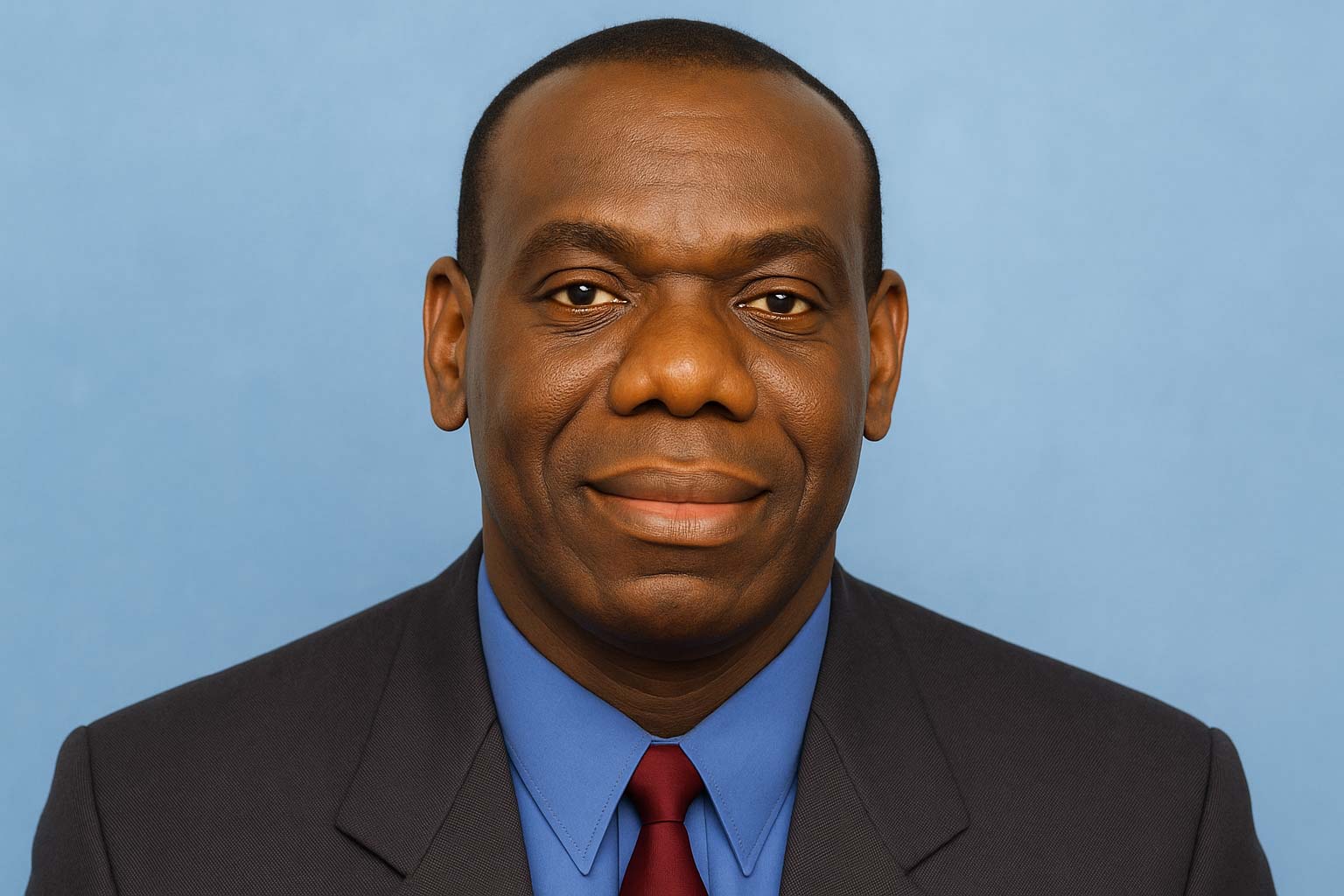
Working Life in America
Eventually, Ajala secured more stable employment as an
Access Control Officer (security guard) at the World Trade Center in New York
City. He was stationed at Two World Trade Center (the South Tower), working at
the Concourse (ground floor) level. His responsibilities included riding
elevators, patrolling the 110-story tower, helping to secure the building, and
responding to minor emergencies.
Ajala worked the morning shift from 6:00 a.m. to 2:00 p.m.,
which provided him with a steady income while allowing him time to pursue his
professional goals. His colleagues and friends remembered him as exceptionally
dedicated and hardworking.
Pursuit of the American Dream
While working as a security guard, Ajala maintained his
dream of practicing law in the United States. Due to financial constraints, he
was unable to attend law school in the U.S. Instead, he enrolled in more
affordable specialized preparation courses for the New York State Bar
Examination.
Friends reported that after completing his security shifts,
Ajala would return home and study rigorously for an additional 6 to 8 hours
each day. This demanding schedule demonstrated his remarkable determination and
work ethic. Despite his dedicated efforts, Ajala faced significant challenges
in this pursuit. He attempted the New York State Bar Exam three times but was
unsuccessful in passing.
Nevertheless, he continued to persevere, maintaining his
goal of qualifying as a lawyer in the United States so that he could provide a
better life for his family and bring them to join him in America.
September 11, 2001: A Day of Heroism
On the morning of September 11, 2001, Godwin Ajala was at
his post in the lobby of Two World Trade Center when the terrorist attacks
began. At 8:46 a.m., American Airlines Flight 11 struck the North Tower (One
World Trade Center). At 9:03 a.m., United Airlines Flight 175 crashed into the
South Tower where Ajala was stationed.
In the chaos and terror that followed, Ajala made a decision
that would define his legacy. Rather than attempting to save himself by fleeing
the building, he remained at his post at a street-level security station inside
the lobby of Two World Trade Center. From this position, he helped coordinate
the evacuation of thousands of people from the building.
Eyewitness accounts describe Ajala holding doors open for
people rushing to escape, repeatedly returning inside the blazing structure to
guide more people to safety, and refusing to leave while others remained in
danger. His actions that morning exemplified extraordinary courage,
selflessness, and dedication to duty.
Final Hours and Legacy
The heroic efforts took a severe toll on Ajala. After
helping guide countless people to safety from the burning building, he became
exhausted and overwhelmed by smoke and debris. Reports indicate that he first
fell into a coma and died on Sunday, September 16, 2001, five days after the
attacks. He was 33 years old.
Godwin Ajala was one of 11 security guards who perished as a
result of the September 11 attacks. Among the nearly 3,000 victims of that
tragic day, he holds the distinction of being the only Nigerian national listed
among the deceased.
Though Ajala never realized his dream of becoming a U.S.
lawyer or reuniting with his family in America, his final acts of heroism and
self-sacrifice have ensured that his name is remembered with honor. He
demonstrated the highest ideals of service and humanity in the face of one of
the darkest moments in American history.
Today, Godwin Ajala is remembered as both a Nigerian and
American hero—a man who, when faced with unimaginable circumstances, chose to
put the lives of others before his own. His story stands as a powerful
testament to courage, selflessness, and the human capacity for extraordinary
acts of heroism in the most desperate of circumstances.
Honors and Remembrance
Godwin Ajala's name is inscribed on the National September
11 Memorial in Manhattan, New York City, where the twin towers once stood. His
story has been shared in various accounts of the September 11 attacks,
particularly those highlighting the heroism displayed by ordinary individuals
on that extraordinary day.
In death, Ajala achieved a form of the American dream
different from what he had envisioned—not as a successful lawyer bringing his
family to a new life in the United States, but as an American hero whose
courage and sacrifice in the face of terror embodied the highest ideals of his
adopted country.
His legacy lives on as a reminder of the power of selfless
service and the impact that a single individual can have in a moment of crisis.
Godwin Ajala's story continues to inspire both Nigerians and Americans as an
example of the best of humanity in the worst of circumstances.
Share:


