

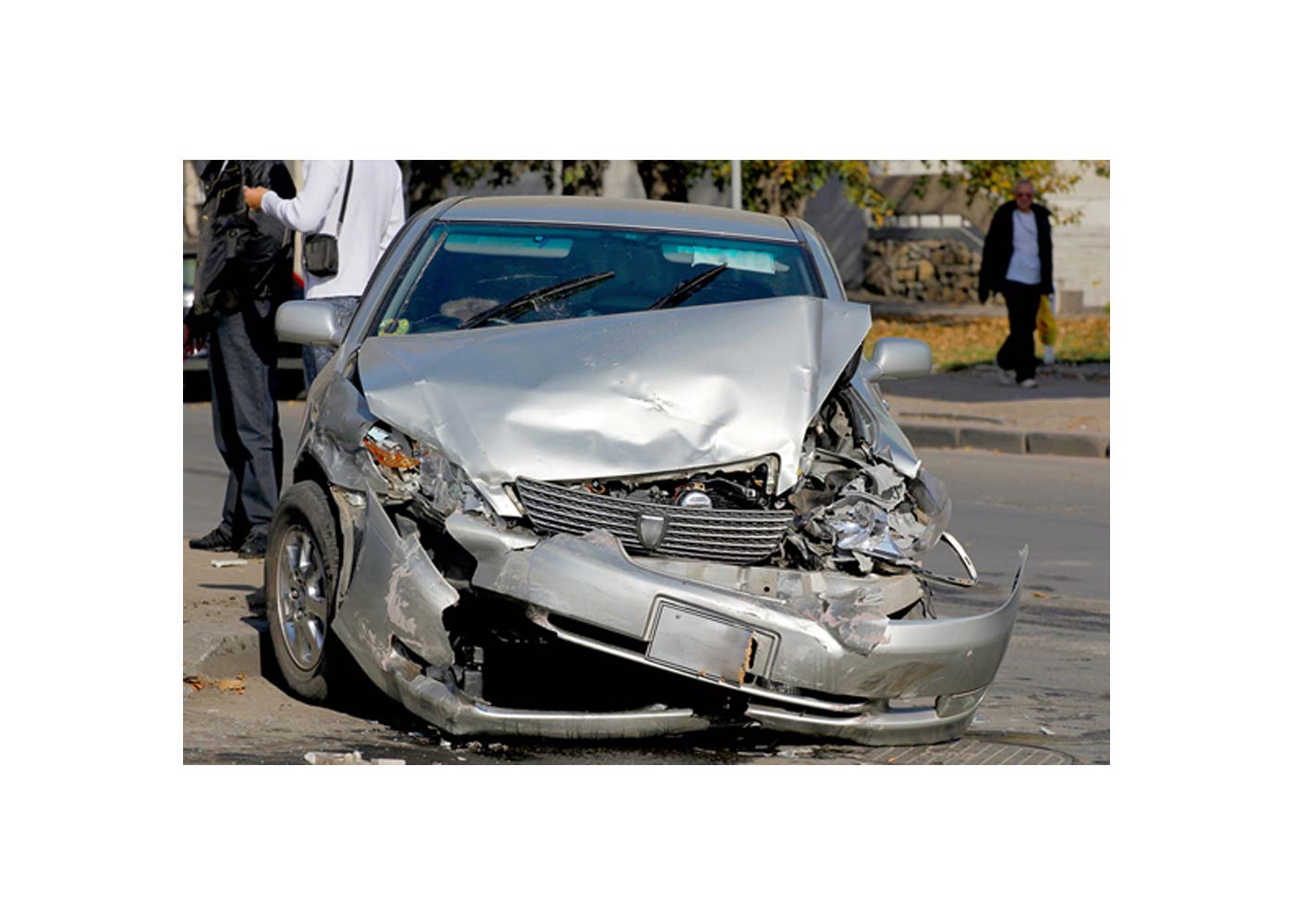
Traffic accidents may turn a daily grind into a legal and
emotional whirl-around. Accidents are a
regular reality in Florida, where both locals and visitors keep roadways
crowded. Documentation becomes very
vital during such occurrences for personal records, legal processes, insurance
claims, and peace of mind as well as for
Navigating what follows a crash depends critically on first reading
official reports. These documents
include important information such as vehicle placement, contributing
variables, road conditions, and witness testimonies that influence court or
settlement results.
Appreciating the Centralized Crash Report System of the Florida Highway Patrol
Combining and disseminating traffic accident records
throughout the state is mostly dependent on the Florida Highway Patrol
(FHP). When a state trooper attends to
an incident, they write an official FHP crash report that includes all
elements, including driver conduct and environmental factors. Created electronically, these reports are
stored on Florida's Crash Portal system, run under the Department of Highway
Safety and Motor Vehicles (FLHSMV).
Timescale and Eligibility
Florida law defines exactly who has access to an accident
report and when. Reports for the first
sixty days after an accident are deemed private and only available to those
directly involved. Drivers, passengers, car owners, attorneys, insurance firms,
and certain media outlets meeting public interest criteria are among this
group. Law enforcement departments also have access to them for continuous
inquiry. Florida's Sunshine Law makes accident reports public documents after
this private time expires. Any
interested person may then ask for and get them at that moment. Knowing this chronology helps reduce needless
delays. A report sought too early
without legal rights is turned down. On
the other hand, waiting until the secrecy period ends might compromise claims
or legal procedures depending on accurate and fresh data. Following the right window guarantees the
report is both easily available and actionable.
County-Level Access
Although the FHP manages a large volume of highway events,
not all collisions come under their purview.
Local law enforcement, such as county sheriff's offices or municipal
police departments, manages numerous traffic accidents in urban or suburban
environments. Every agency generates
reports using its system for public access.
Digital Solutions Outside Government Portal
Apart from governmental channels, Florida citizens often
depend on outside companies specialized in public record retrieval. These sites provide one-stop access for
consumers who require many papers or quicker responses by aggregating accident
records from several state and municipal organizations. Although they charge service fees, the benefit
for lawyers and insurance adjusters especially is their simplified interfaces
and enlarged search capabilities. Some outside systems permit searches by
person, date, vehicle type, or location—choices not necessarily accessible in
official systems. They also often assist
customers in clearing legal eligibility or fixing access problems. Users must, however, make sure they are
utilizing respectable businesses that follow public records rules set by
Florida. Illegitimate sites could
disseminate old papers or utilize personal information. Always ensuring the requester's eligibility
and upholding data privacy rules, a dependable supplier will
Situational Obstacles
Before access is permitted, certain kinds of accidents need
additional layers of confirmation. Additional secrecy laws generally control
crashes involving children, deaths, or criminal investigations. For example,
the medical examiner's participation and possible continuous criminal
investigations might postpone the publication of records should a death take
place. Likewise, events involving young people are under child protection rules
that limit who may see associated materials. Documentation demands in these
circumstances can call for court orders, legal counsel, or special written
permission from guardians or next of kin.
This guarantees the privacy and rights of the concerned parties even if
it results in a lengthier delay.
Conclusion
Official records have the weight of fact and the accuracy of
procedure. Finding the correct
automobile accident report in Florida is about understanding where to search,
what to provide, and when to act—not about speculation. Avoid guessing; allow the right channels,
legality, and timeliness to direct your hunt.
Share:


