

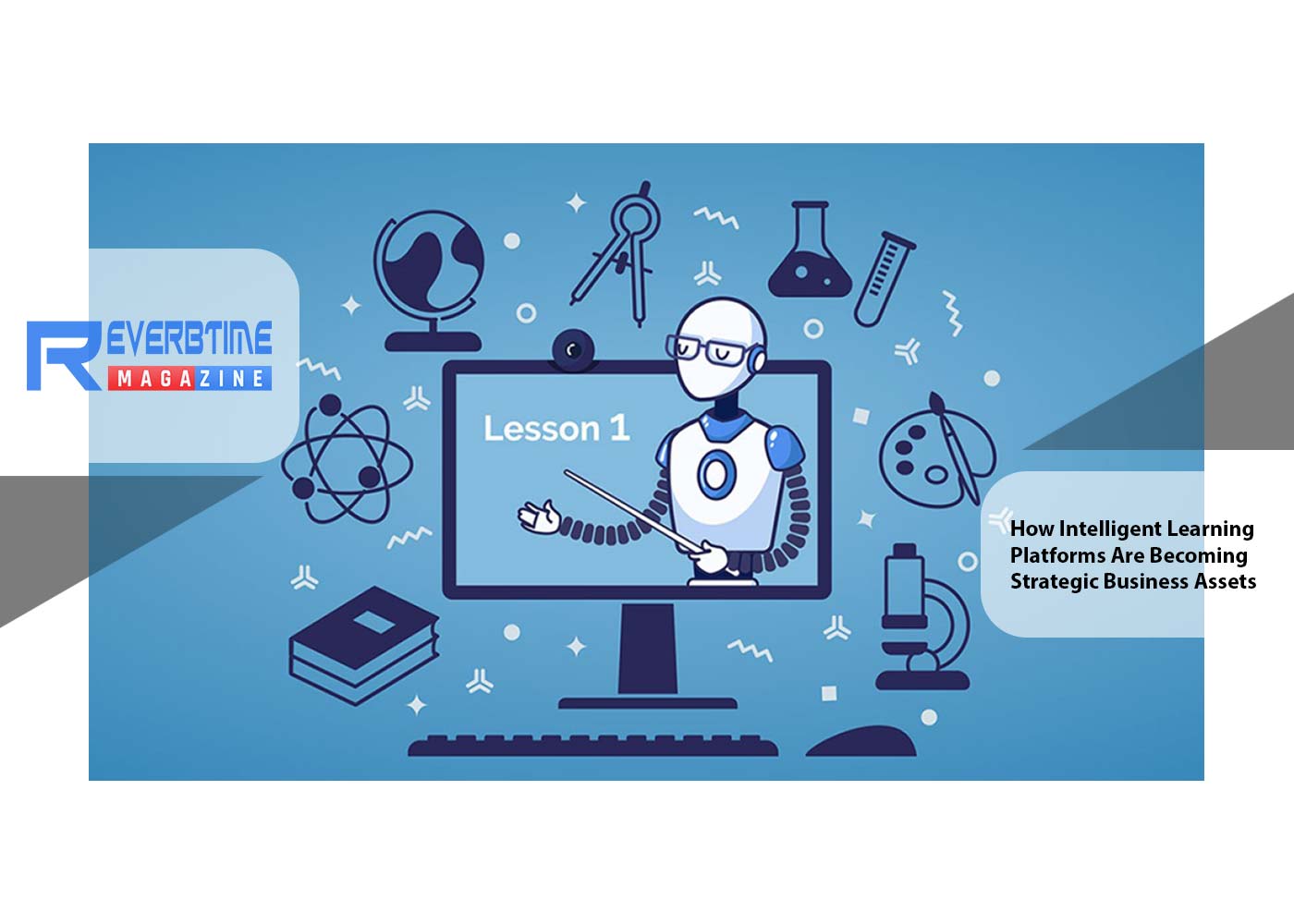
In today’s fast-changing business landscape, artificial
intelligence is transforming how organizations approach learning and
development. Tools that were once designed primarily for teachers and academic
environments are now widely used in corporate training and professional
development. These AI-powered platforms help organizations scale learning
initiatives, reduce operational costs, and develop skills more effectively.
Platforms like Mexty show how intelligent learning technology can merge
educational best practices with business objectives, positioning training as a
strategic asset rather than a support function.
As companies respond to digital transformation, remote work,
and global expansion, AI-driven learning platforms are becoming an essential
part of modern business operations.
Learning as a Scalable Business Service
Traditional training models often struggle to grow alongside
organizations. Instructor-led sessions, static manuals, and location-based
programs make it difficult to deliver consistent learning experiences across
teams and regions. AI learning platforms address this challenge by enabling
training to operate as a structured and repeatable service.
Operational Efficiency and ROI
Operational efficiency is one of the main reasons businesses
adopt AI-powered learning platforms. Manual content creation and maintenance
require significant time and resources, often slowing down training
initiatives. AI tools streamline these processes by automating lesson
structuring, content updates, and alignment with learning objectives.
This efficiency leads to faster onboarding, reduced training
delivery costs, and quicker time-to-productivity for employees. In addition, AI
platforms make it easier to track outcomes and link learning performance to
business results. As a result, organizations gain clearer insights into the
return on investment of their training programs.
Personalized Corporate Learning
Modern workforces are diverse, with employees performing
different roles and operating at varying skill levels. Generic training
programs often fail to meet these varied needs. AI tools for teachers and
trainers enable personalized learning paths that adapt to individual roles,
experience levels, and progress.
Employees receive relevant, role-specific content that
evolves as they advance, improving engagement and accelerating skill
development. This personalization helps organizations close skill gaps more
efficiently while keeping learners motivated and focused. Personalized learning
at scale ensures that training supports both individual growth and
organizational priorities.
Global and Inclusive Training
As organizations expand internationally and adopt
distributed work models, delivering inclusive and consistent training becomes
more complex. AI-powered platforms support multilingual content, adaptive
formats, and flexible delivery methods suited for global teams.
Training materials can be adjusted for language,
accessibility, and local context without creating entirely separate programs.
This allows organizations to maintain consistent standards while respecting
cultural and regional differences. Inclusive and adaptive training helps ensure
that all employees, regardless of location or background, have equal access to
development opportunities.
Data-Driven Talent Development
AI learning platforms generate valuable data that supports
strategic talent development. Analytics provide insight into learner
engagement, performance trends, and skill gaps across the organization. This
data enables learning leaders to refine programs, identify development
priorities, and align training initiatives with business goals.
Rather than relying on assumptions, organizations can use
evidence-based insights to guide workforce planning and capability building.
Over time, this data-driven approach strengthens decision-making around talent
development and long-term growth.
Learning Technology as a Competitive Advantage
The growing use of AI tools for teachers and trainers
reflects a broader shift in how businesses view learning. Training is no longer
seen as a cost center, but as a competitive advantage that supports innovation,
adaptability, and performance. Intelligent learning platforms help
organizations respond quickly to change, upskill employees continuously, and
maintain consistency at scale.
Share:


