

Complete tooth loss affecting entire dental arches creates
profound impacts extending beyond basic chewing difficulties to include speech
impediments, facial appearance changes, social anxiety, and diminished
self-confidence that missing teeth impose through visible gaps, altered facial
structure, and constant awareness of dental inadequacy that social interactions
make uncomfortable.
While dental implants provide functional tooth replacement
through surgical integration with the jawbone, the aesthetic quality of
implant-supported restorations varies substantially based on material
selection, prosthetic design, and provider expertise that together determine
whether results appear naturally convincing or obviously artificial.
Understanding how natural-looking dental implants restore
confidence and function reveals why prioritizing aesthetic excellence alongside
functional restoration proves essential for achieving outcomes that not only
enable eating and speaking properly but also allow smiling, laughing, and
engaging socially without self-consciousness that poor aesthetic results
perpetuate despite functional adequacy.
Psychological Impact and Social Confidence
Tooth loss creates significant psychological burdens through
embarrassment, social withdrawal, and diminished self-esteem that missing teeth
or obviously artificial replacements impose when appearance concerns dominate
thoughts during conversations, meals, or any social situations where smiles
occur naturally. This psychological impact affects quality of life
substantially through avoided social engagements, limited career opportunities
where appearance matters professionally, and relationship challenges that
dental insecurity creates.
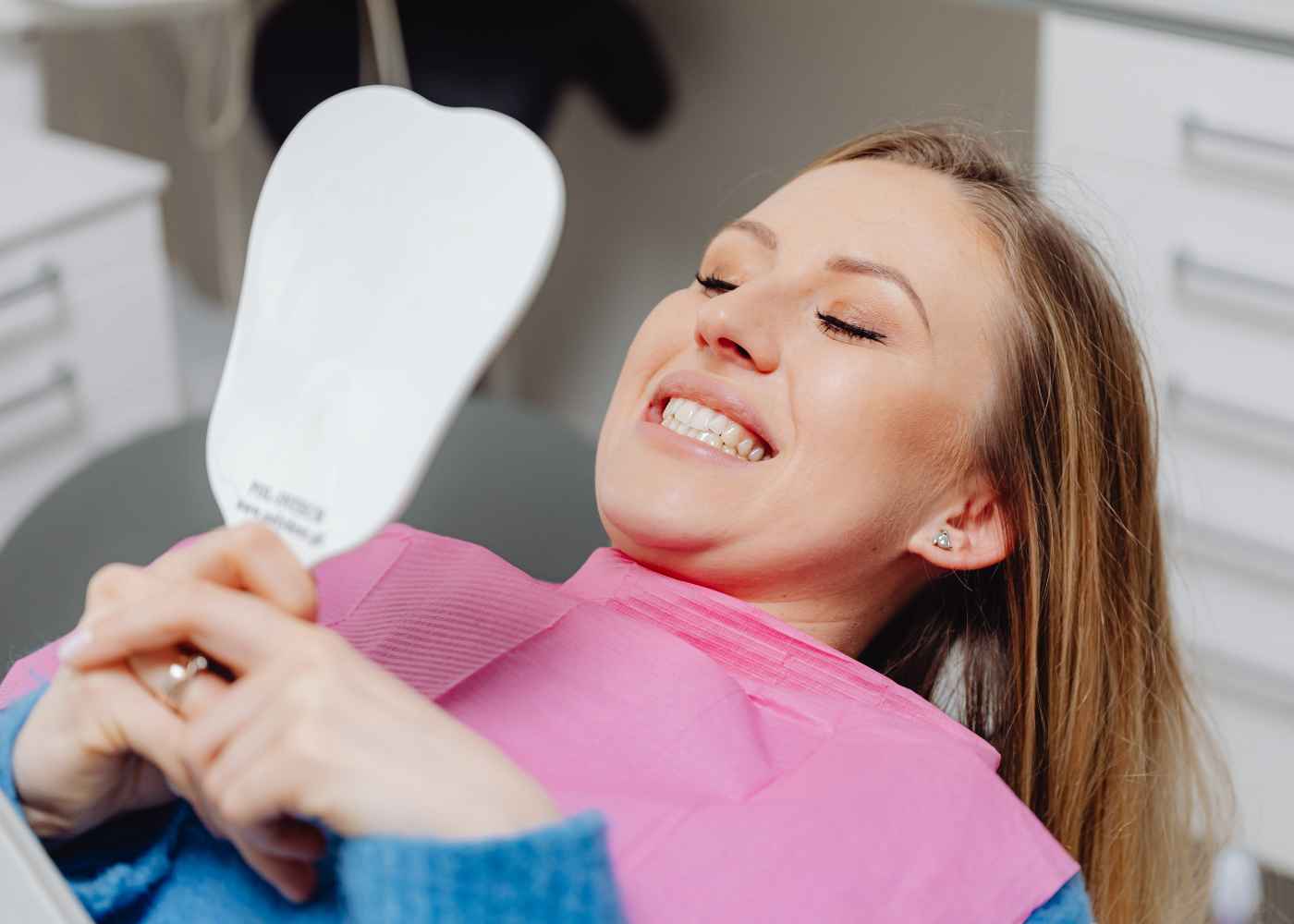
Natural-looking dental implants eliminate these
psychological burdens through restorations indistinguishable from natural
teeth, allowing smiling freely, laughing without hesitation, and engaging
socially without constant awareness of dental appearance that inferior
aesthetic results cannot provide, despite adequate chewing function. This
confidence restoration proves as valuable as functional improvements for many
patients whose tooth loss affected social lives and emotional well-being as
significantly as eating capabilities.
The psychological benefits extend beyond simple appearance
to include eliminating the constant worry about denture movement, clicking
sounds, or visible hardware that removable prosthetics create, even when
reasonably aesthetic, with fixed implant restorations providing security that
denture wearers never fully achieve, regardless of adhesive quality or fit
excellence.
Facial Aesthetics and Natural Proportions
Tooth loss initiates progressive bone resorption that facial
structure gradually alters through diminishing jaw dimensions, creating sunken
cheeks, collapsed lips, and premature aging appearances that dentures cannot
prevent despite replacing visible tooth structures. Dental implants halt this
bone loss through the mechanical stimulation that implant integration provides,
preserving facial proportions that youthful appearances maintain.
Natural-looking implant restorations also restore proper lip
support, facial height, and smile aesthetics that tooth dimensions,
positioning, and color all contribute to when designed thoughtfully,
considering facial proportions rather than simply creating functional but
aesthetically mediocre replacements. The attention to smile design, including
tooth size relationships, gum tissue contouring, and natural color variations,
distinguishes excellent aesthetic results from adequate prosthetics that
function properly but lack the subtle characteristics that natural teeth
exhibit.
Material Selection and Lifelike Characteristics
Modern dental ceramics, including zirconia and layered
porcelains, replicate natural tooth translucency, color depth, and surface
characteristics that older materials cannot match despite adequate strength and
durability. These advanced materials allow creating restorations that light
interacts with similarly to natural enamel, displaying subtle color variations
and translucent qualities that obviously artificial teeth lack through uniform
opacity or unnatural coloring.
The material quality also affects long-term aesthetic
stability, with premium ceramics resisting staining and maintaining appearance
throughout years that lower-quality materials cannot sustain through gradual
discoloration or surface degradation that aging accelerates.
Gingival Aesthetics and Tissue Integration
Natural-looking results require not just quality teeth but
also healthy, natural-appearing gum tissues that implant restorations integrate
with through proper emergence profiles, papilla formation, and tissue
contouring that pink ceramics or poorly designed prosthetics cannot replicate
convincingly. The soft tissue management during implant placement and
restoration design proves as critical as tooth aesthetics for achieving truly
natural results.
Professional Expertise and Artistic Skill
Creating natural-looking implant restorations requires
combining surgical expertise, prosthodontic knowledge, and artistic sensibility
that understands how natural teeth appear individually and collectively within
smiles. When pursuing dental implant treatment, selecting experienced providers
like Ocala Dental Care ensures
access to comprehensive expertise spanning surgical planning, aesthetic design,
and quality materials that natural-looking results demand.
Natural-looking dental implants restore confidence and
function by eliminating psychological burdens, preserving facial aesthetics,
utilizing lifelike materials, achieving gingival integration, and applying
artistic expertise that together create results allowing patients to live
without dental consciousness that inferior replacements perpetuate.
Share:


