

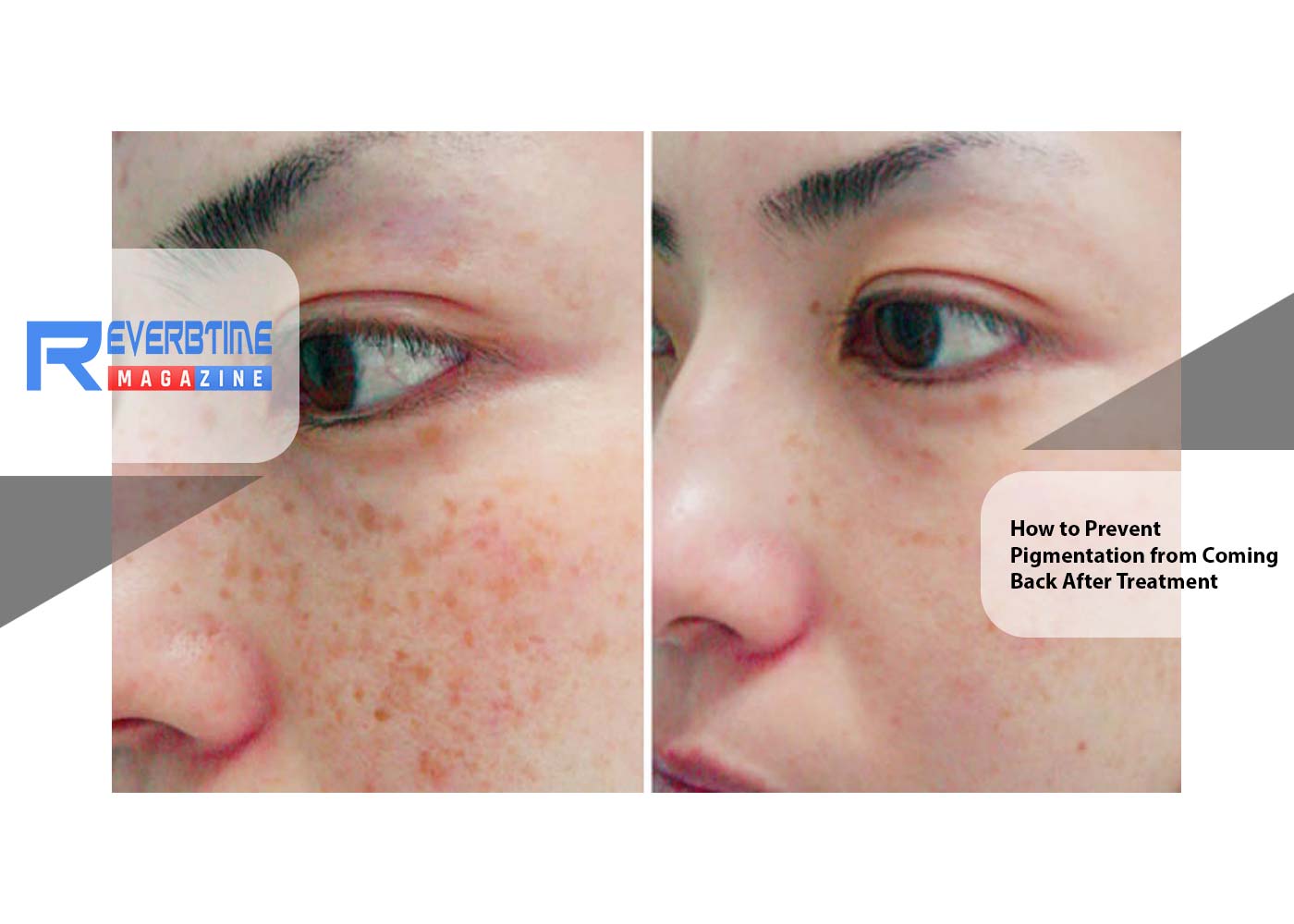
Introduction
Pigmentation recurrence after treatment happens when
melanocytes—your skin's pigment-producing cells—become overactive again due to
UV exposure, hormonal changes, or inflammation. Post-treatment skin requires
different care than untreated skin because the melanocytes remain sensitized
for several months after procedures.
If you’re currently researching your options, learning about
the best pigmentation treatment Singapore can help you understand what
procedures and aftercare plans dermatologists recommend to maintain lasting
results.
A dermatologist measures treatment success not just by
initial pigment clearance but by maintaining results through proper aftercare
protocols. The combination of Singapore's tropical climate, high humidity, and
intense UV radiation creates challenges for preventing pigmentation recurrence
that require specific protective strategies tailored to our environment.
Sun Protection Beyond Basic SPF
Mineral sunscreens containing zinc oxide or titanium dioxide
create a physical barrier that reflects UV rays before they reach melanocytes.
These ingredients sit on the skin's surface rather than absorbing into it,
making them suitable for post-treatment skin that may react to chemical
filters. The appropriate amount and timing for application should be determined
by a healthcare professional.
Reapplication timing depends on your activities and should
be discussed with a healthcare professional based on your specific needs and
outdoor exposure patterns. UV rays penetrate glass, with UVA maintaining
significant intensity through standard windows. Consider positioning your
workspace away from direct window light or installing UV-filtering film.
Physical sun protection can enhance your defense against
pigmentation recurrence:
- Wide-brimmed hats with UPF rating shield your face from
reflected UV rays that bounce off concrete and water
- Sunglasses with wraparound frames may help prevent
periorbital pigmentation by blocking rays entering from the sides
- During peak UV hours, seek shade under structures rather
than trees, as foliage provides limited UV protection
Active Ingredients That Maintain Results
Vitamin C serum with L-ascorbic acid interrupts melanin
synthesis by inhibiting tyrosinase, the enzyme responsible for pigment
production. The appropriate application method and timing should be determined
by a healthcare professional or dermatologist. Ferulic acid and vitamin E
stabilize the vitamin C, extending its effectiveness.
Niacinamide blocks the transfer of melanin from melanocytes
to surrounding skin cells, preventing dark spots from becoming visible. This
ingredient also strengthens your skin barrier, reducing inflammation that
triggers post-inflammatory hyperpigmentation. A healthcare professional can
advise on proper application methods and timing.
Retinoids accelerate cell turnover, bringing pigmented cells
to the surface for faster shedding while preventing new pigment accumulation.
The appropriate concentration and frequency of retinoid use should be
determined by a healthcare professional. Prescription tretinoin provides
different results but requires careful introduction to avoid irritation that
could worsen pigmentation.
Did You Know?
Your skin continues producing new melanin for up to 72 hours
after sun exposure, which explains why tan lines and sun spots appear days
after beach visits rather than immediately.
Lifestyle Factors That Trigger Recurrence
Heat triggers melanocyte activity independent of UV
exposure, making activities like hot yoga, saunas, and prolonged cooking over
stoves potential pigmentation triggers. Skin temperature rising above 40°C
activates heat shock proteins that stimulate melanin production. Cooling the
face with thermal water sprays during exercise and avoiding steam facials may
help manage pigmentation. A healthcare professional can provide guidance on
post-treatment care duration.
Hormonal fluctuations from oral contraceptives, pregnancy,
or hormone replacement therapy activate melanocyte-stimulating hormone,
particularly affecting melasma-prone individuals. Tracking menstrual cycles alongside
pigmentation changes may help identify hormonal triggers. A healthcare
professional can discuss contraception options if hormonal birth control
affects pigmentation despite treatment.
Inflammation from aggressive skincare, picking at skin, or
allergic reactions creates post-inflammatory hyperpigmentation through cytokine
release. Physical exfoliants, sonic cleansing brushes, and products containing
fragrance or essential oils may contribute to inflammation. Patch testing new
products on the inner arm for 48 hours before facial application can help
identify potential reactions.
Blue light from screens penetrates deeper than UVB rays,
reaching the dermis where it generates reactive oxygen species that trigger
melanogenesis. Blue light filters on devices or blue light blocking glasses
during extended screen time may provide protection. Antioxidant serums
containing iron oxide may offer additional protection against visible light
spectrum damage.
Professional Maintenance Treatments
Chemical peels using glycolic acid 20-30% or mandelic acid
25-40% remove superficial pigmented cells while suppressing melanocyte
activity. The frequency and type of maintenance peels should be determined by a
qualified dermatologist based on individual skin response and pigmentation
tendency. Mandelic acid's larger molecular size makes it gentler for darker
skin tones with higher melanin density.
Q-switched laser treatments deliver nanosecond pulses that
fragment pigment particles for immune system removal. A dermatologist can
determine appropriate maintenance session intervals to target new pigment
formation. Low-fluence laser protocols may reduce post-inflammatory
hyperpigmentation risk while maintaining efficacy for pigmentation concerns.
Tranexamic acid injections or oral supplements inhibit
plasmin activity, reducing melanocyte stimulation from within. The appropriate
dosage and duration of tranexamic acid treatment should be determined by a
healthcare professional. A dermatologist will monitor liver function during
treatment since tranexamic acid affects clotting factors.
Important Note
Combining multiple professional treatments requires careful
spacing and should be supervised by a qualified dermatologist to prevent
compromising the skin barrier and triggering inflammatory pigmentation.
What Dermatologists Say
Post-treatment pigmentation recurrence often stems from
inadequate sun protection during the initial healing phase when melanocytes
remain hyperactive. Patients who maintain clear skin longest combine diligent
sun protection with consistent use of tyrosinase inhibitors year-round, not
just during active treatment periods.
Effective pigmentation treatment involves customizing
maintenance protocols to each patient's specific triggers—whether hormonal,
environmental, or genetic. Regular skin assessments every 3 months allow
healthcare professionals to adjust treatment intensity before visible
pigmentation returns, maintaining results with minimal intervention.
Many patients underestimate indoor UV exposure, particularly
in offices with large windows or during daily commutes. Tinted moisturizers
with iron oxide provide protection against both UV and visible light that
standard sunscreens miss.
Putting This into Practice
1. Map your daily UV exposure by noting all windows you
pass, time spent outdoors, and activities involving heat or screens, then
implement specific protection for each exposure point.
2. Create a morning routine placing vitamin C serum,
niacinamide, and mineral sunscreen in visible sequence beside your sink,
setting phone reminders for reapplication every 2 hours.
3. Photograph your skin weekly in consistent lighting to
track subtle pigmentation changes, bringing these images to dermatology
appointments for objective progress monitoring.
4. Stock mineral sunscreen in multiple locations—car,
office, gym bag—ensuring protection remains available whenever unexpected sun
exposure occurs.
5. Schedule maintenance treatments in advance for the entire
year, booking appointments during lower UV months when possible to minimize
recurrence risk.
When to Seek Professional Help
- New dark patches appearing despite consistent sun
protection and skincare routine
- Existing pigmentation darkening or spreading beyond
original treatment area
- Texture changes accompanying pigmentation such as
thickening or scaliness
- Pigmentation returning within 4 weeks of professional
treatment
- Multiple types of pigmentation appearing simultaneously
- Irritation or sensitivity preventing use of maintenance
products
- Pigmentation resistant to 3 months of consistent homecare
- Hormonal changes coinciding with sudden pigmentation
recurrence
Commonly Asked Questions
How long after treatment before I can resume normal activities?
Healing typically requires 7-14 days for superficial
treatments like chemical peels, while deeper laser treatments may need 14-21
days. Exercise can generally be resumed after 48-72 hours, though it's
advisable to avoid saunas, hot yoga, and swimming pools for 2 weeks to help
prevent infection and heat-induced pigmentation. A healthcare professional can
provide specific guidance based on your treatment.
Can pigmentation return worse than before treatment?
Post-inflammatory hyperpigmentation can occur if skin
becomes irritated during healing, appearing darker than original pigmentation.
This temporary darkening may resolve with proper care including gentle
cleansing, barrier repair moisturizers, and sun avoidance during the
inflammatory phase. Consult your healthcare provider for personalized care
instructions.
Do oral supplements prevent pigmentation recurrence?
Oral antioxidants like vitamin C, vitamin E, and glutathione
may provide systemic protection against oxidative stress that triggers
melanogenesis. Polypodium leucotomos extract may offer photoprotection, though
it supplements rather than replaces topical sunscreen. Discuss supplement
options with a healthcare professional.
Which ingredients should I avoid after pigmentation treatment?
Certain ingredients may need to be avoided post-treatment,
such as hydroquinone immediately after treatment due to potential irritation,
benzoyl peroxide which may increase photosensitivity, and alpha hydroxy acids
above certain concentrations for 2 weeks. Some essential oils, particularly
citrus-based ones, may cause phototoxic reactions leading to persistent
hyperpigmentation. Your healthcare provider can advise on appropriate skincare
during recovery.
How do I know if my pigmentation is hormonal?
Hormonal pigmentation typically appears symmetrically on
cheeks, upper lip, and forehead, and may darken during pregnancy, with oral
contraceptive use, or during menstruation. This melasma pattern may require
combined topical and sometimes systemic treatment approaches. A healthcare
professional can help determine the appropriate treatment approach for your
specific condition.
Conclusion
Maintain clear skin by combining consistent sun protection
with tyrosinase inhibitors and quarterly professional assessments. Schedule
maintenance treatments during lower UV months and track pigmentation changes
with weekly photos for early intervention.
If you're experiencing recurrent pigmentation despite
preventive measures or developing new dark patches following treatment, a
MOH-accredited dermatologist can evaluate your specific triggers and develop
customized maintenance protocols.
Share:


