

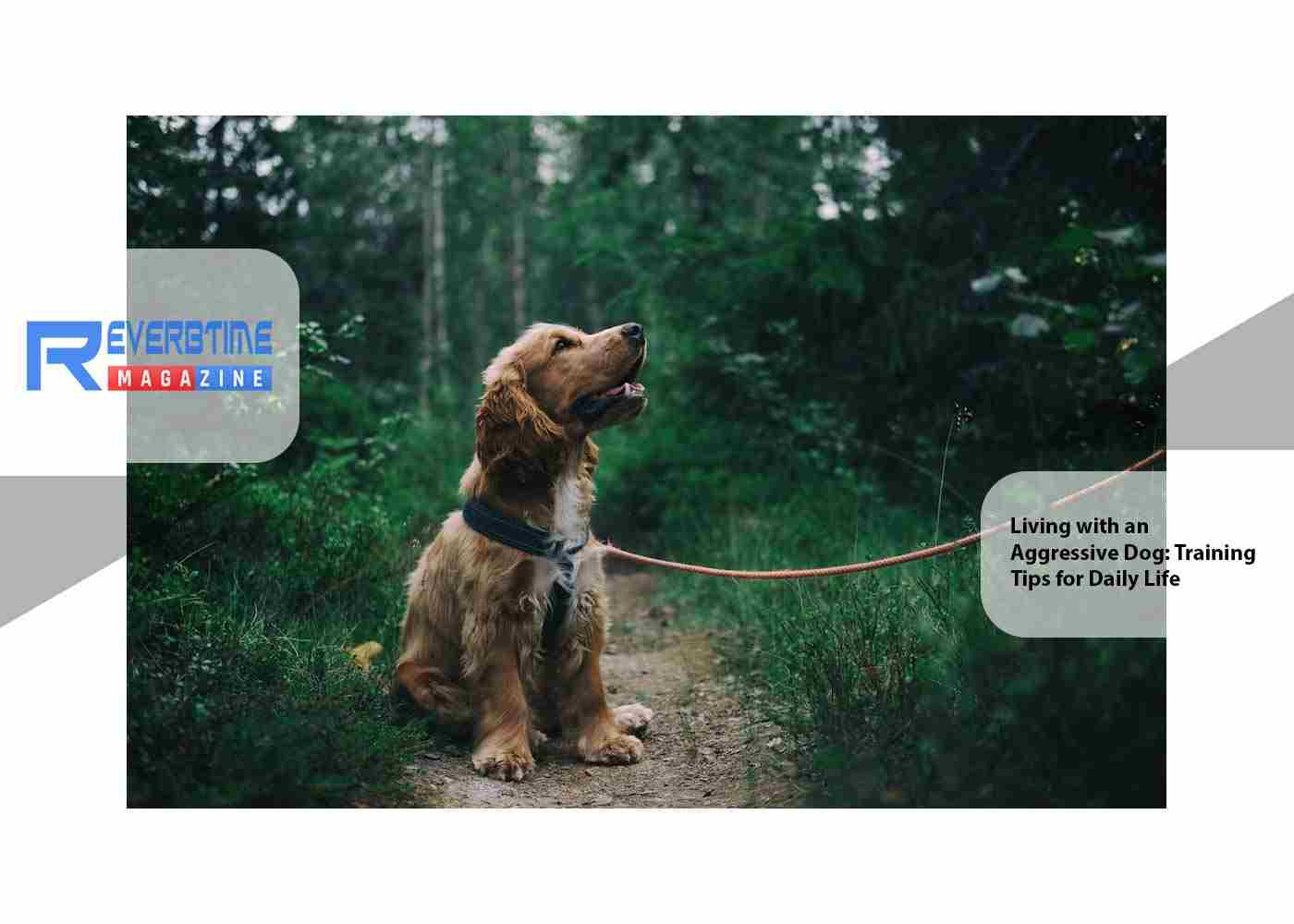
Some household situations may include behavior that appears
intense or reactive, and ordinary tasks can feel uncertain when responses shift
quickly. In these moments, a simple structure could provide calm, and small
choices might reduce pressure during common routines. People usually try
practical steps that fit time and space, and results often build slowly when
methods are applied consistently, because steady handling and clear limits can
support safer outcomes across many ordinary activities.
Keep Schedules Steady
Maintaining predictable schedules can reduce uncertainty for
a reactive animal, and this pattern often helps everyday tasks proceed more
smoothly. Regular times for meals, rest, and outdoor breaks usually give the
dog a sense of what comes next, while short cue words before transitions can
signal what will happen without creating extra stimulation. You could consider
repeating the same walking routes at quieter periods, since familiar
surroundings often limit sudden triggers that increase arousal, and shorter
outings done more frequently might be easier to manage. Household members
should use similar handling steps, because mixed signals can create confusion
that leads to faster escalation, and a simple checklist may keep everyone
aligned. Over days and weeks, this repeated structure may produce calmer
expectations, and consistent routines typically make daily care easier to
complete without unnecessary strain.
Adjust the Home Layout
Changing how rooms, barriers, and movement paths are
arranged may limit friction during typical movement through the home. Visual
blocks such as covered gates or light curtains can reduce direct line of sight
to outside activity. At the same time, defined resting areas placed away from
doors and windows might lower arousal during delivery times or guest arrivals.
It can be useful to control proximity by giving the dog clear retreat options,
since the ability to move away often stops minor tension from building into
stronger reactions. Visitors could be introduced with limited access and clear
instructions about ignoring contact at first, and other animals might be
separated when early signals appear, which could prevent stacked triggers.
Short periods of crate or pen time are sometimes helpful when paired with quiet
activities, and these spaces should be associated with rest to avoid new
conflicts.
Practice Calm Behaviors
Calm responses can be shaped through gradual sessions that
remain below reaction levels, and short practice windows generally reduce
fatigue while keeping learning stable. For example, quality dog aggression training can build alternative responses and reinforce relaxed
choices during controlled exposure, which supports safer behavior when similar
cues appear in daily life. Start at an easy distance or volume that the dog can
tolerate, then increase difficulty only when the dog maintains quiet body
language and reliable attention, and mark these choices with a simple cue and
timely reward. Handlers might plan several brief sessions across the day rather
than one long block, because smaller steps often protect confidence and reduce
overload. If reactions increase, it is reasonable to return to an earlier,
easier stage, since resetting difficulty can maintain progress while keeping
the environment predictable and manageable.
Observe Patterns
Keeping basic notes about locations, times, sounds, or
handling actions may reveal patterns that link specific cues to stronger
reactions, and these patterns can guide practical adjustments. You could record
simple details such as route, duration, and recovery time after a trigger, and
compare entries weekly to identify links that are not obvious in the moment.
Health changes might influence behavior, so unexpected shifts could justify a
veterinary check, especially if sensitivity to touch, movement, or noise
increases. People sometimes choose to avoid higher-risk places during periods
when reactions are more likely, then reintroduce them later with lower
intensity and shorter durations. When patterns become clear, planning with
prepared cues, treats, and exits often keeps situations within tolerance, and
this planning usually reduces escalation during common transitions.
Apply Simple Cues
Using simple cues during ordinary tasks can create stable
transitions, and these cues are best practiced first in quiet spaces to ensure
reliable responses. Sit, wait, place, and touch are common because they help
position the body and focus attention; then these cues can be layered into
doorways, greetings, mealtimes, and hallway passes once the dog shows
consistency. You might run micro-sessions of one to two minutes several times
per day, since short practice often keeps arousal low and results clearer.
Indoor leash handling can be used when moving through exits or greeting
visitors, and brief pauses before thresholds usually support better control.
Over time, repeating these steps across many small moments may help organize
the day, and organized transitions often reduce the chance of conflict during
necessary activities.
Conclusion
Living with reactive behavior may depend on regular
planning, careful room use, small practice sessions, and simple signals that
guide movement through ordinary tasks. A calm pattern could support steadier
choices, while recorded observations might direct adjustments as needs change.
This approach might take time, yet consistent steps usually keep things
manageable, so a gradual plan that fits the home and schedule could be
recommended to encourage safer interactions for everyone involved.
Share:


