

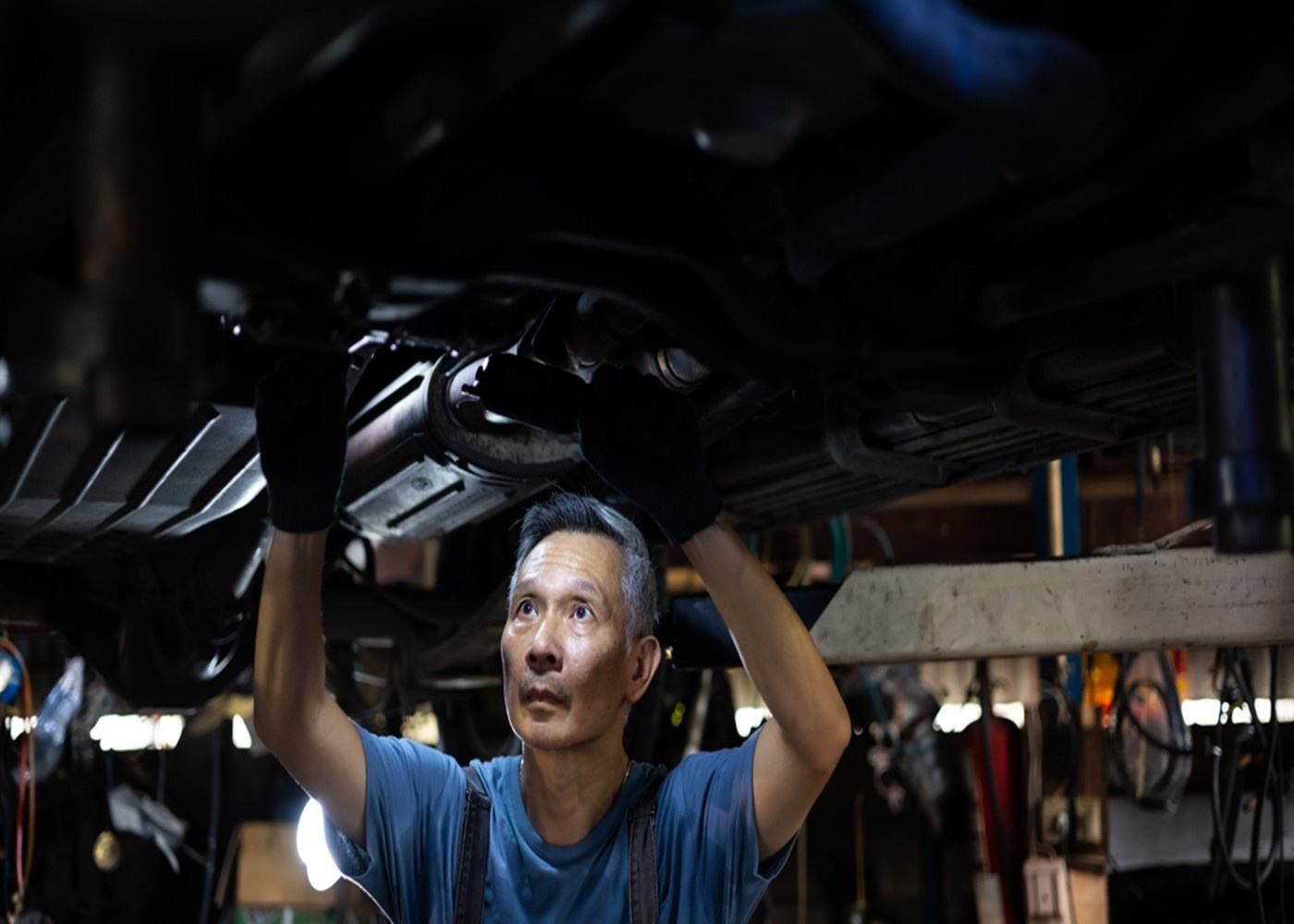
A well-equipped service department is the backbone of any
successful automotive business. Whether you're running a small independent shop
or managing a large facility, having the right tools and equipment can make the
difference between efficient operations and costly delays. In today's
competitive market, service departments must be prepared to handle everything
from routine maintenance to complex repairs while maintaining high standards of
quality and customer satisfaction.
Essential Diagnostic Equipment for Modern Service Operations
The foundation of any effective service department starts
with reliable diagnostic equipment. Modern vehicles require sophisticated tools
to identify issues quickly and accurately. A comprehensive diagnostic setup
should include advanced scan tools capable of reading multiple vehicle systems,
oscilloscopes for detailed electrical analysis, and multimeters for precise
electrical measurements.
Beyond basic diagnostic tools, consider investing in specialized
equipment for different vehicle types. Battery testers, compression gauges, and
fuel pressure testers are indispensable for thorough vehicle evaluations. These
tools enable technicians to identify problems before they become major
failures, ultimately saving customers money and building trust in your service
capabilities.
Digital diagnostic platforms have revolutionized how service
departments operate. These systems provide real-time data, historical repair
information, and direct access to manufacturer databases. The ability to
quickly access wiring diagrams, technical service bulletins, and repair
procedures significantly reduces diagnostic time and improves repair accuracy.
Lifting and Support Equipment
No service department can function effectively without
proper lifting equipment. Vehicle lifts are perhaps the most critical
investment for any service facility. Two-post lifts offer excellent access for
general maintenance and repairs, while four-post lifts provide superior
stability for wheel alignment and extended service procedures.
Mobile column lifts have become increasingly popular for
servicing larger vehicles and providing flexibility in shop layout. These units
allow technicians to position lifting points precisely where needed, making them
invaluable for heavy-duty applications and specialty vehicles.
Supporting equipment such as jack stands, floor jacks, and
transmission jacks round out the lifting arsenal. Safety should never be
compromised, so invest in high-quality support equipment that meets or exceeds
industry safety standards. Regular inspection and maintenance of lifting
equipment ensures both technician safety and equipment longevity.
Specialized Tools for Diesel Parts and Accessories
Heavy-duty vehicles require specialized attention,
particularly when working with diesel engines and their associated systems.
Service departments handling commercial vehicles must be equipped with tools
specifically designed for diesel parts and accessories. These include heavy-duty impact wrenches,
specialized pullers for diesel components, and high-pressure testing equipment
for fuel systems.
Diesel engine diagnostics require different approaches than
gasoline engines. Invest in diesel-specific diagnostic tools that can handle
the unique requirements of compression ignition systems. Tools for testing
diesel fuel injection systems, turbocharger performance, and exhaust
after-treatment systems are essential for comprehensive diesel service
capabilities.
Don't overlook the importance of proper filtration and fluid
handling equipment when servicing diesel vehicles. These systems often require
larger volumes of fluids and specialized filters that demand appropriate
handling and disposal procedures. Having the right equipment for these tasks
ensures environmental compliance and operational efficiency.
Air Compressors and Pneumatic Systems
Compressed air is the lifeblood of most service operations.
A reliable air compressor system powers everything from impact wrenches to tire
inflation equipment. Size your compressor system based on your shop's needs,
considering both current requirements and future expansion plans.
Stationary compressors typically offer better efficiency and
lower operating costs for permanent installations. However, portable units
provide flexibility for specialized applications or temporary service
locations. Regardless of the type chosen, ensure adequate air storage capacity
and proper filtration to protect pneumatic tools and equipment.
Regular maintenance of air compressor systems is crucial for
consistent performance. This includes daily moisture drainage, regular filter
replacement, and periodic system inspections. A well-maintained air system
reduces tool wear and improves overall shop productivity.
Fluid Management and Environmental Compliance
Modern service departments must handle various automotive
fluids safely and efficiently. Fluid exchange equipment for engine oil,
transmission fluid, coolant, and brake fluid streamlines service procedures
while ensuring complete fluid replacement. These systems reduce service time
and improve customer satisfaction through consistent, thorough service.
Waste fluid management is equally important. Proper storage
and disposal of used fluids, filters, and other waste materials is not only
environmentally responsible but lalso egally required. Invest in appropriate
waste storage systems and establish relationships with certified waste
management companies.
Spill containment and cleanup equipment should be readily
available throughout the service area. Quick response to spills prevents
environmental contamination and maintains a safe working environment for
technicians.
Essential Dealership Supplies for Daily Operations
Beyond major equipment, service departments require a steady
supply of consumables and smaller tools. Dealership supplies encompass everything from shop towels and cleaning solvents to
specialized sealants and lubricants. Maintaining adequate inventory of these
items prevents work delays and ensures consistent service quality.
Quality hand tools remain fundamental to service operations.
While power tools handle heavy-duty tasks, precision work often requires
traditional hand tools. Invest in durable, professional-grade tools that can
withstand daily use in a demanding environment.
Organization systems for dealership supplies improve
efficiency and reduce waste. Clearly labeled storage areas, inventory tracking
systems, and regular stock rotation ensure that supplies are available when
needed and remain in good condition.
Technology Integration and Documentation Systems
Modern service departments rely heavily on technology for
scheduling, work order management, and customer communication. Integrated shop
management systems streamline operations by connecting service advisors,
technicians, and parts departments through a common platform.
Digital documentation systems replace traditional
paper-based processes, improving accuracy and reducing administrative burden.
These systems can track repair history, warranty information, and maintenance
schedules while providing valuable data for business analysis.
Customer communication tools, including service reminders
and progress updates, enhance the service experience while building customer
loyalty. Automated systems can handle routine communications, freeing staff to
focus on more complex customer interactions.
Building a Foundation for Success
Investing in quality equipment and supplies is essential for
service department success. While the initial cost may seem significant,
reliable equipment reduces downtime, improves technician productivity, and
enhances customer satisfaction. Regular maintenance and strategic upgrades
ensure that your service department remains competitive and efficient in an
ever-evolving automotive landscape.
Remember that equipment is only as good as the people using
it. Combine quality tools with ongoing training and a commitment to excellence,
and your service department will be well-positioned to meet the challenges of
modern automotive service.
Share:


