

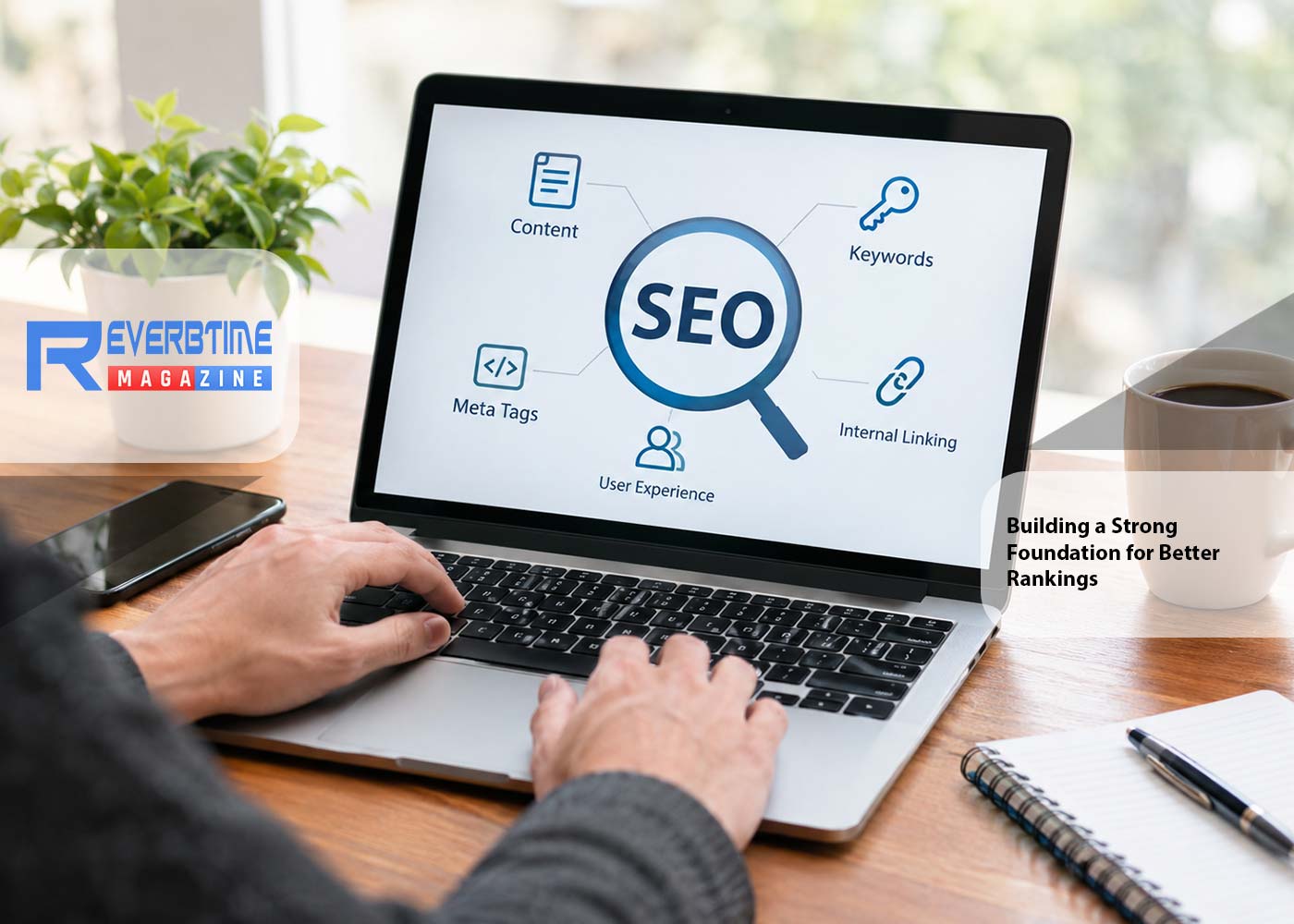
When it comes to improving your website’s visibility on
search engines, many people immediately think of backlinks or advertising.
While those elements are important, the true foundation of every successful SEO
strategy starts directly on your website. This is where on-page SEO plays a
crucial role.
Understanding On-Page SEO
On-page SEO refers to all the actions you take within your
website to improve its position in search engine results. Unlike off-page SEO,
which focuses on external signals, on-page efforts give you full control over
how your content is structured, written, and presented to both users and search
engines. It includes technical elements, content optimization, and user-focused
design.
Quality Content: The Heart of SEO
One of the most important aspects of on-page SEO is content
quality. Search engines aim to provide users with the most relevant and helpful
results. That means your content needs to be clear, informative, and aligned
with user intent. Instead of writing just to include keywords, focus on
answering real questions your audience might have. Well-structured,
easy-to-read content naturally performs better. Incorporating examples,
statistics, and practical advice can make your content even more valuable.
Headings and Structure
Proper heading structure (H1, H2, H3) helps both readers and
search engines understand the hierarchy of your content. Your main topic should
be clearly defined in the H1 tag, while subtopics should be organized under H2
and H3 headings. This not only improves readability but also increases your
chances of ranking for multiple related search terms. Subheadings also give
readers the ability to skim and find the information most relevant to them.
Titles, Meta Descriptions, and URLs
Title tags and meta descriptions are essential. Your title
tag is often the first thing users see in search results, so it should be
compelling and relevant. Meta descriptions, while not a direct ranking factor,
provide a brief summary that can influence whether users decide to visit your
page.
Additionally, clean and descriptive URLs are easier for both
users and search engines to understand. Avoid long strings of numbers or
irrelevant characters and use short, meaningful words that reflect the page
content. Keywords in URLs can also help improve search visibility and
click-through rates.
Internal Linking and Images
Internal linking is a powerful yet often overlooked
strategy. Linking to other relevant pages within your website helps search
engines crawl your content more effectively and keeps users engaged longer.
Images also play a role in optimization. Adding descriptive
alt text helps search engines understand the image content, and optimizing
image size improves page loading speed, another ranking factor. Consider using
infographics or charts to break up text and provide additional value to
readers.
Performance, Mobile, and User Experience
Website performance is critical. Users expect pages to load
quickly, and search engines prioritize fast-loading websites. Compressing
images, minimizing unnecessary code, and using reliable hosting all contribute
to better performance.
Mobile-friendliness is equally important, as search engines
now use mobile-first indexing. A responsive website ensures it functions
smoothly across all devices.
User experience (UX) is increasingly important, with search
engines analyzing how users interact with your site. A well-designed layout,
clear navigation, and engaging content improve user behavior metrics. Consider
using readable fonts, intuitive menus, and accessible color schemes to enhance
overall UX.
Mid-Article Focus: On-Page SEO Optimization
At the core of all these strategies lies on-page SEO optimization creating a seamless experience where content, structure, and
technical elements work together to provide value. Proper on-page optimization
ensures that your site is both user-friendly and search-engine-friendly,
improving your chances of ranking higher for relevant queries. This includes
strategic keyword placement, optimizing headings, and ensuring a logical flow
from one section to another.
Content Updates and Multimedia
Regularly updating your content is an important on-page SEO
tactic. Search engines favor fresh, accurate information, so reviewing and
refining your articles keeps them relevant. Additionally, incorporating
multimedia elements like videos, podcasts, or slideshows can make your pages
more engaging. This not only improves the user experience but can also lead to
longer time on site, which is a positive signal for search engines.
Consistency and Ongoing Improvement
SEO is not a one-time task but an ongoing process. Regularly
updating your content, monitoring performance, and making improvements will
help you stay competitive in search rankings. This includes refreshing old
articles, checking for broken links, and adapting to algorithm updates. Keeping
a content calendar and tracking metrics such as bounce rate, time on page, and
organic traffic can guide future improvements.
Conclusion
On-page SEO is the backbone of any website’s success. By
focusing on content quality, proper structure, performance,
mobile-friendliness, multimedia integration, and user experience, you can
create a strong foundation that supports all other marketing efforts. Whether
you’re running a blog, an online store, or a corporate website investing time in on-page optimization will always
pay off in the long run. Following best practices ensures your site remains
competitive, valuable, and highly visible to the audience you want to reach.
Share:


