

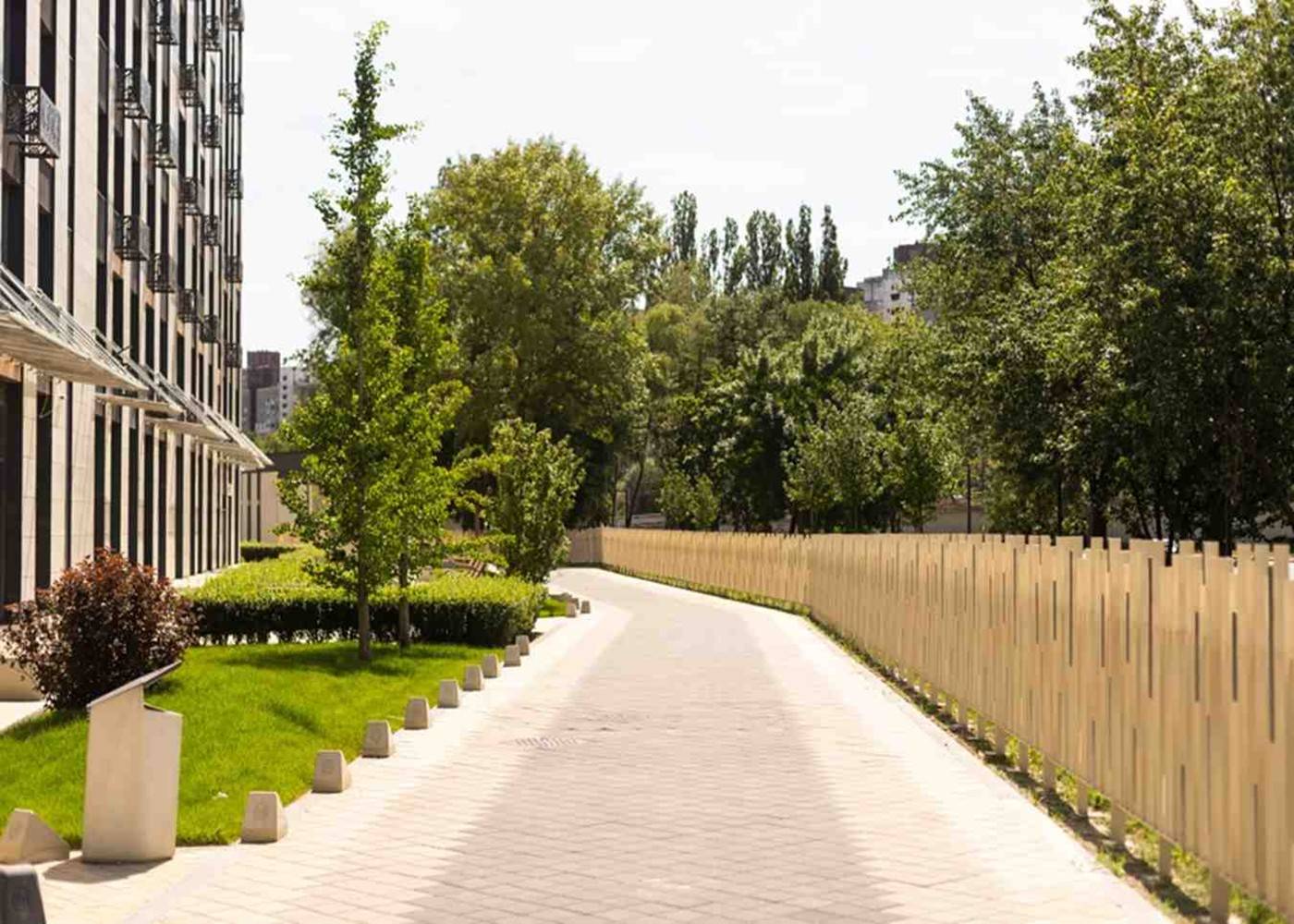
The exterior of a commercial property says more to visitors
and customers than most owners realize. A cracked walkway, an overgrown lawn, a
messy parking lot or a pest problem can quietly chip away at the trust people
place in a business before they ever walk through the door. Outdoor maintenance
is not just about appearances, though curb appeal certainly matters. It's about
protecting the value of the property, reducing liability, and avoiding the kind
of deferred maintenance that turns small problems into expensive ones.
For property managers and business owners juggling multiple
responsibilities, building a maintenance strategy that covers landscaping, pest
control, hardscaping, and seasonal upkeep can feel overwhelming. Below is a
practical breakdown of the areas that matter most, along with guidance on how
to approach each one.
Why Outdoor Maintenance Deserves a Real Strategy
Many commercial properties treat outdoor upkeep as a
reactive task. Something looks bad, so someone gets called to fix it. This
approach almost always costs more over time than a planned, proactive schedule.
Grounds that are maintained consistently tend to age better, require fewer
emergency repairs, need less maintenance overtime and present a more
professional image to anyone who walks the property.
A solid strategy starts with a calendar. Lawn care, tree
trimming, irrigation checks, parking lot sealing, and pest inspections all have
ideal windows during the year. Trying to handle everything at once, or only
when something breaks, leads to rushed work and higher costs. Spreading tasks
across the seasons keeps budgets predictable and keeps the property looking its
best year-round.
It also helps to assign responsibility clearly. Whether a
property uses an in-house grounds crew, a third-party landscaping company, or a
mix of both, someone needs to own the master schedule. Without a single point
of accountability, tasks get duplicated or, more often, forgotten entirely.
Lawn and Landscape Care That Holds Up Under Heavy Use
Commercial lawns face different demands than residential
ones. Foot traffic is heavier, parking areas border green space, and the visual
standard is often higher because so many people pass through. A mowing schedule
that works for a quiet residential street usually isn't enough for a retail
plaza or office park.
Mowing height, frequency, skill and timing all affect how a
lawn holds up. Cutting too short during hot months stresses the grass and
invites weeds. Mowing too infrequently leaves clippings that smother healthy
growth. Most commercial properties benefit from a weekly cut during peak
growing season, tapering off as temperatures cool.
Edging, trimming around obstacles, and keeping planting beds
free of debris round out the basic visual maintenance, but the equipment doing
the work matters just as much as the schedule. Large properties need machines
built for volume and durability, not the kind of consumer-grade equipment sold
for backyard use. Crews that source their mowers, trimmers, and grounds
equipment from a supplier focused on commercial-grade machinery, such as Commercial Mower Depot,
tend to spend less time on repairs and more time actually maintaining the
property. Reliable equipment translates directly into a more consistent
schedule, since a broken mower mid-week can throw off an entire route for a
landscaping crew managing several properties at once.
Beyond mowing, irrigation systems deserve regular attention. A misaligned sprinkler head can waste water, damage pavement, or leave
patches of lawn struggling while the rest thrives. Seasonal irrigation audits
catch these issues before they become visible problems or inflated water bills.
Tree and shrub health is another piece that's easy to
overlook until a storm knocks down a weak limb. Routine pruning, especially of branches
near walkways, store fronts, rooflines, or parking areas, reduces liability and
keeps the landscape looking intentional rather than neglected.
Pavement, Drainage, and Structural Upkeep
Parking lots and walkways absorb constant wear from vehicles
and weather. Small cracks left unaddressed widen with each freeze-thaw cycle,
eventually requiring full resurfacing instead of a simple seal coat. An annual
inspection of pavement and walkways helps catch these issues while they're
still inexpensive to fix.
Drainage is closely tied to pavement health. Standing water
after rain points to grading or drainage problems that, left alone, will
undermine pavement and landscaping alike. Clearing storm drains and catch
basins before heavy rain seasons prevents flooding and the secondary damage
that comes with it.
Lighting along walkways and parking areas also falls under
this category. Burned-out fixtures create safety hazards and make a property
feel unattended, even if everything else is in good shape. A simple monthly
check of exterior lighting catches outages before they become a liability
concern.
Termite Control and Pest Management
Pest management is one of the most consequential, and most
overlooked, parts of commercial outdoor maintenance. Termites in particular can
cause damage that goes unnoticed for months or years because so much of their
activity happens out of sight, inside wood structures, behind siding, or
beneath slabs.
For commercial properties, the financial stakes of termite
damage are significant. Structural repairs are costly, insurance often doesn't
cover termite-related damage, and a visible infestation can damage a business's
reputation just as much as its building. This makes termite control a
maintenance priority rather than an afterthought.
Effective termite control starts with reducing the conditions that attract termites in the
first place. Excess moisture near a foundation, wood mulch piled against
exterior walls, and untreated wood-to-soil contact all create inviting entry
points. Keeping mulch beds pulled back from the building, fixing drainage
issues quickly, and trimming vegetation away from exterior walls all reduce
risk without any chemical treatment at all.
Routine inspections are the next layer of defense. Many
termite colonies grow undetected for a long time before visible signs appear,
such as mud tubes along foundations or hollow-sounding wood. Scheduling a
professional termite control inspection on an annual basis, rather than waiting
for visible damage, gives property managers a chance to address an infestation
while it's still small and manageable.
For properties in regions with higher termite activity,
preventive treatments such as soil barriers or bait stations offer ongoing
protection rather than a one-time fix. These systems work quietly in the
background and are checked periodically by pest control professionals, giving
property owners a documented record of protection that can also be useful for
lease agreements, insurance discussions, or property sales down the line.
Termite control should be treated as part of the same
proactive mindset that governs lawn care and pavement upkeep. Waiting until
damage is visible almost always means the problem has been active for a while
already, and the cost of repair will be far higher than the cost of prevention
would have been.
Building a Maintenance Calendar That Actually Works
Pulling all of these pieces together into a single calendar
is what separates a property that looks consistently well-kept from one that
cycles through visible neglect and expensive catch-up work. A practical
approach breaks the year into seasonal checkpoints.
Spring is the time for irrigation startup, mulch refreshing,
and the first round of pest inspections, since termite activity often increases
as temperatures rise. Summer calls for the heaviest mowing and trimming
schedule, along with monitoring for heat stress on lawns and plants. Fall is
ideal for pavement repairs, hardscape maintenance, drainage clearing, and tree
pruning before winter weather sets in. Winter, depending on climate, may
involve snow removal planning, equipment maintenance, and a final pest
inspection before the cycle starts again.
Documenting each task, who completed it, and when, creates a
record that's useful for budgeting and vendor accountability. Over time, this
record also reveals patterns, such as a section of pavement that needs repair
every year or a planting bed that consistently struggles, that point to deeper
issues worth solving once rather than patching repeatedly.
Final Thoughts
Outdoor maintenance for commercial properties works best as
an ongoing strategy rather than a series of reactive fixes. Lawn care, pavement
upkeep, drainage, lighting, and termite control all intersect, and neglecting
one area often accelerates problems in another. Properties that invest in
reliable equipment, routine inspections, and a clear seasonal calendar tend to
spend less overall while presenting a more polished, trustworthy face to
everyone who visits. The upfront effort of building that strategy pays for
itself many times over in avoided repairs, fewer surprises, and a property that
simply looks cared for.
Share:


