

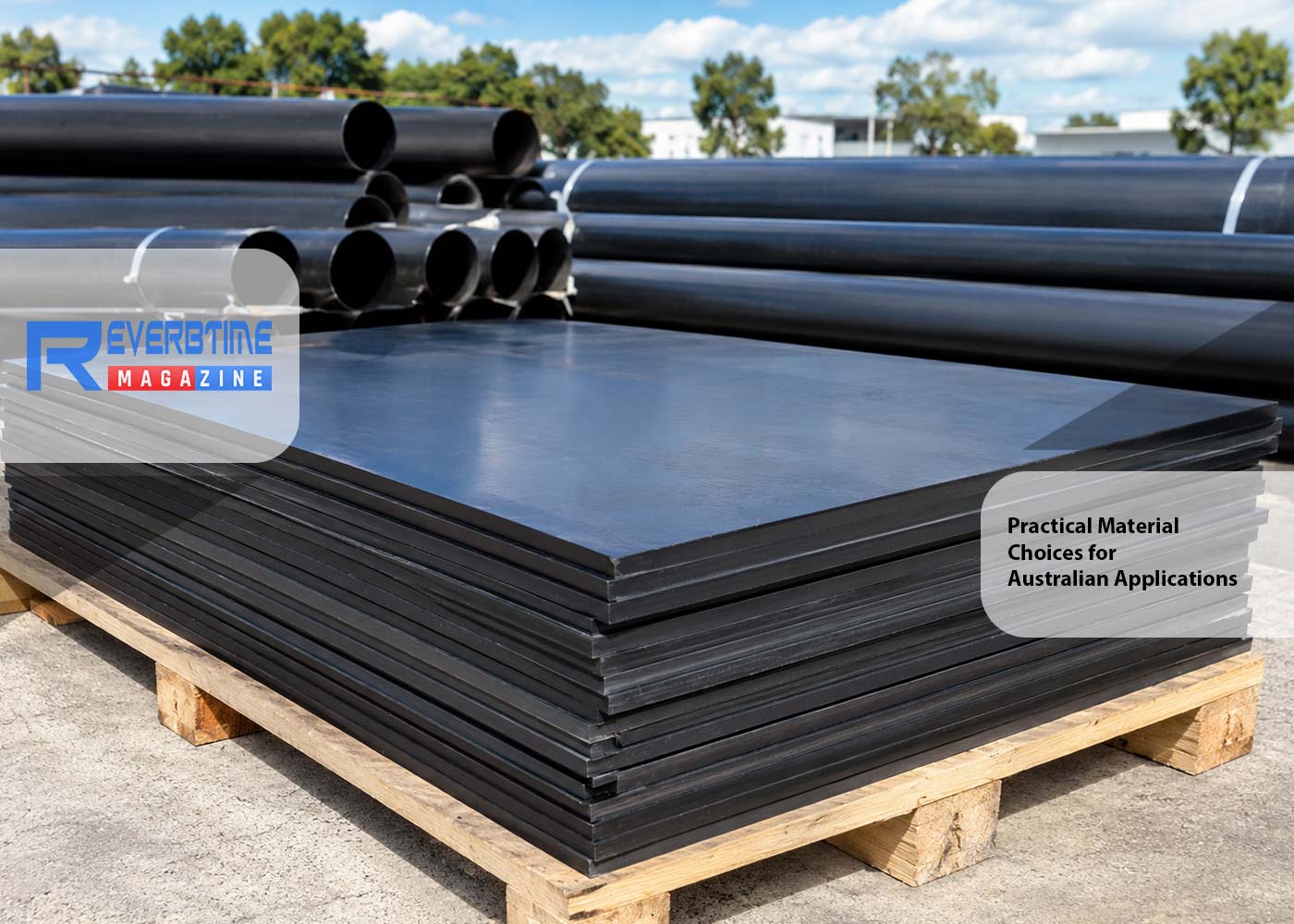
Introduction
Material selection can have a direct impact on the
performance, maintenance and lifespan of industrial components. HDPE sheet
products are commonly considered for Australian applications where strength,
moisture resistance and ease of fabrication are important. Made from
high-density polyethylene, these sheets can be used in everything from workshop
components and agricultural equipment to food-handling surfaces and
construction-related applications.
Their combination of toughness and relatively low weight
makes HDPE a practical alternative to some heavier materials.
What Makes HDPE Useful?
One of the key characteristics of HDPE is its ability to
perform in environments where moisture, chemicals and regular wear may be
present.
Resistance to Everyday Wear
HDPE has good resistance to impact and abrasion, helping it
cope with repeated use in industrial and commercial settings. It is also resistant
to many chemicals, although compatibility should always be checked for
specialised applications.
Suitable for Wet Environments
Because HDPE has low water absorption, it can be useful in
areas exposed to moisture or regular cleaning. This characteristic supports its
use in processing environments, marine-related applications and outdoor
installations.
Simple to Shape and Fabricate
HDPE can be cut, machined and welded with suitable
equipment. This allows fabricators to create customised parts, liners, boards,
guards and other components according to project requirements.
Selecting HDPE Sheet Products for the Right Purpose
When choosing HDPE sheet products, buyers should consider more than just sheet dimensions.
Thickness, grade, surface finish, operating temperature and exposure conditions
can all affect performance.
For example, thicker sheets may be preferred where
additional rigidity or impact resistance is required, while specialised grades
may be more appropriate for food-contact or outdoor applications.
Common Uses across Australian Industries
HDPE sheets can be adapted to many environments.
In manufacturing, they may be used for wear components, work
surfaces, guides and machine parts. Agricultural businesses may use HDPE for
protective panels or equipment components, while food-processing facilities may
select suitable grades for hygienic work surfaces and preparation areas.
The material is also used in fabrication projects where
moisture resistance and durability are important.
Comparing Materials before Purchase
HDPE may not be suitable for every project, so businesses
should compare it with other available plastic products before
making a final decision.
Key Questions to Ask
Consider the expected load, operating temperature, chemical
exposure, outdoor conditions and fabrication method. Confirming these factors
can help avoid choosing a material that is either unsuitable or unnecessarily
expensive.
Summary
HDPE sheets provide a useful balance of strength, moisture
resistance, chemical resistance and fabrication flexibility. Their adaptability
makes them suitable for many Australian commercial and industrial applications.
Choosing the correct grade and thickness based on actual
operating conditions can help improve material performance and reduce
replacement or maintenance requirements.
Share:


