

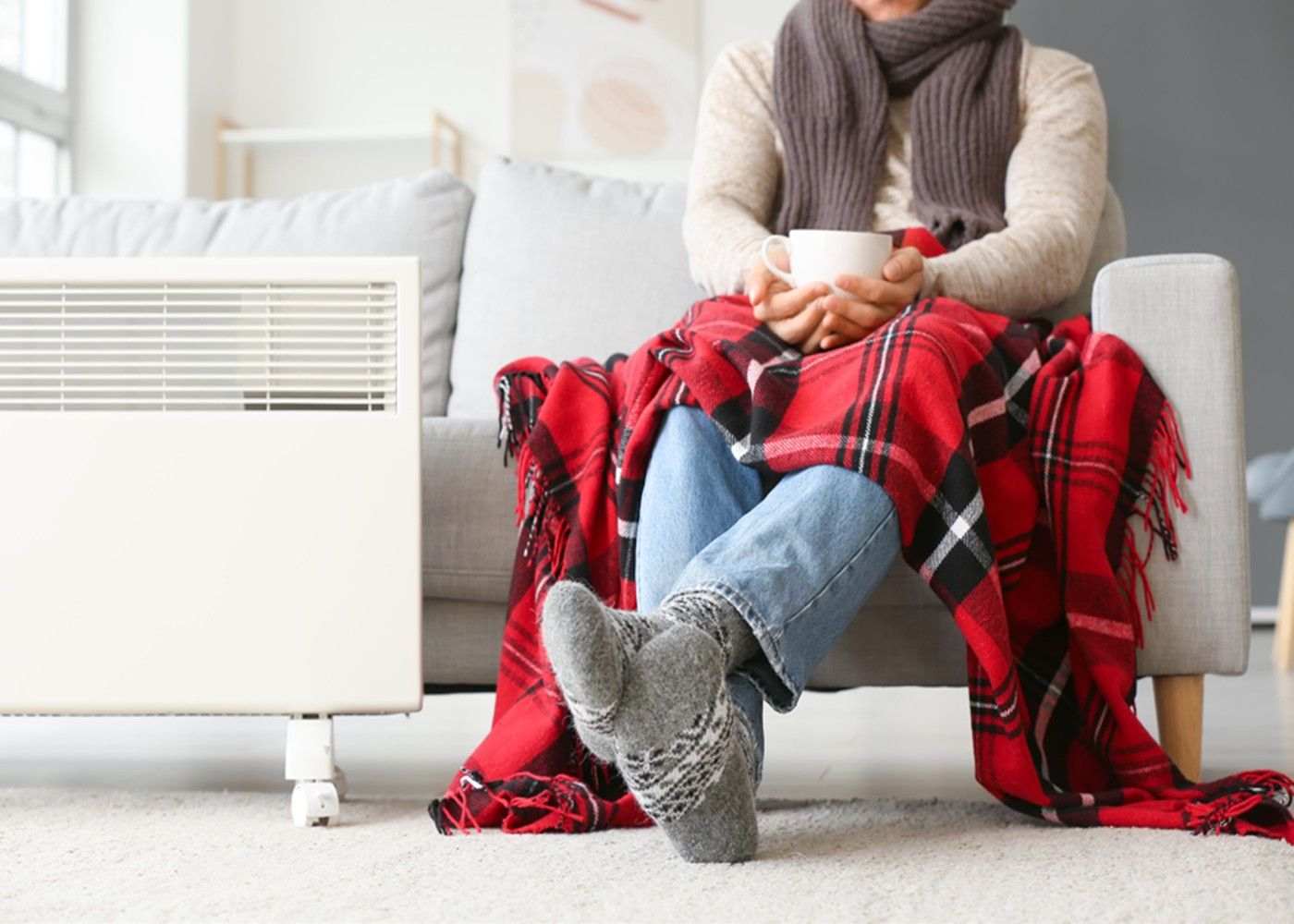
When temperatures plummet and the unexpected occurs, staying
warm becomes more than just a desire—it’s essential for safety and survival.
Whether it’s a sudden winter storm, a power outage, or an emergency that forces
you to stay indoors, being well-prepared can make all the difference. From
efficient heating solutions like tankless water heaters to maintaining your
furnace for optimal performance, this guide will guide you through practical
ways to stay cozy, safe, and ready during cold weather emergencies.
The Importance of Being Prepared for Cold Weather
Cold weather emergencies come in many forms and often strike
without warning. Freezing temperatures can quickly turn a minor inconvenience
into a significant issue, especially if you’re caught unprepared. Hypothermia,
freezing pipes, and even extended power outages can create dangerous
situations. To stay ahead of the cold, preparation is key. Having a plan and
the right tools ensures your comfort and protects your health and property.
Use Tankless Water Heaters as an Efficient Heat Source
Tankless water heaters are often overlooked when discussing
emergency preparedness, but they play a surprisingly helpful role in staying
warm. Metro Flow Plumbing states, "A tankless hot water system is a modern convenience,
providing hot water on demand." This can be beneficial during cold weather
emergencies.
Here’s how a tankless water heater can help:
- Energy Efficiency: Since these heaters work on demand,
there’s no need to keep a large tank filled with hot water. This energy-saving
feature ensures your power sources are used wisely in an emergency.
- Reliable Warmth: Hot water is essential for more than just
staying clean—it can help maintain body temperature. Use hot water for warm
showers, heating water bottles, or creating steam to warm up indoor spaces.
- Compact and Easy to Operate: Tankless water heaters are
smaller and less complex to manage than traditional models, making them
practical for emergency use.
For families living in colder climates, investing in a tankless
water heater is not just an upgrade for everyday life but also a wise decision
for emergencies. Their efficiency and reliability can bring peace of mind when
temperatures drop significantly.
Maintain Your Furnace for Optimal Performance
Your furnace is your home’s primary defense against winter’s
frigid blasts. However, a furnace that hasn’t been properly maintained might
fail you at the moment you need it the most. Tyler's Plumbing Heating & Cooling states, "A heating system gradually
wears down, so you can expect occasional issues." Scheduling regular
furnace maintenance ensures your heating system operates at peak performance,
especially during emergencies.
Why Furnace Maintenance Matters:
- Efficiency: A well-maintained furnace uses less energy to
heat your home. Clean filters, functioning components, and proper airflow
ensure your home stays warm without straining your system.
- Reliability: The last thing you want is your furnace to stop
working during a freeze. Routine maintenance helps identify and fix issues
before they become costly or dangerous problems.
- Safety: Furnaces burn fuel to produce heat, and neglecting
them can lead to issues like gas leaks or carbon monoxide buildup. Regular
check-ups keep your system safe for you and your family.
Simple Steps for Furnace Maintenance:
- Replace air filters every 1 to 3 months.
- Keep outdoor vents and exhausts clear of snow and debris.
- Test your thermostat to ensure it’s accurate and responsive.
- Schedule annual inspections by a certified HVAC technician.
By prioritizing maintenance, you’ll extend the life of your
furnace and ensure it’s ready for any cold-weather emergency.
Insulate and Seal Your Home
Your home is your sanctuary against the brutal cold, but it
works best when sealed and insulated effectively. Gaps in doors, windows, and
walls can allow valuable heat to escape, making it harder to keep warm. During
an emergency, when energy efficiency is paramount, insulation becomes even more
critical.
Quick Insulation Tips:
- Seal Drafts: Use weatherstripping, caulk, or foam tape to
close off any drafts around windows and doors.
- Curtains and Blinds: During the day, open curtains to allow
sunlight in. At night, close them to retain heat.
- Attic and Basement Care: Ensure these areas are properly
insulated, as they are the biggest culprits for heat loss.
By taking these steps ahead of time, you’ll create an
environment where warmth is retained, saving energy and keeping you comfortable
during emergencies.
Have Backup Heat Sources Ready
Even with well-maintained heating systems, power outages can
put you in a bind. Backup heat sources, such as space heaters, propane heaters,
or even fireplaces, can provide additional warmth when needed. Choose options
that are safe and designed for indoor use, and always follow safety guidelines
to prevent accidents.
Here are a few great backup options:
- Portable Space Heaters: Ensure they’re energy-efficient and
have built-in safety features like tip-over protection and automatic shut-off.
- Fireplaces or Wood Stoves: Keep extra wood or fuel on hand
for emergencies. Regularly clean chimneys to reduce fire risk.
- Heated Blankets or Pads: These are excellent for conserving
body heat when central heating isn’t available.
Having more than one heat source ensures you’re prepared for
the unexpected, keeping you and your loved ones warm when it matters most.
Additional Tips for Staying Warm in Emergencies
- Stock Emergency Supplies: Keep essential items like
blankets, thermal clothing, hand warmers, and extra fuel readily available.
- Layer Up: Wear layers of clothing, including thermal
undergarments, sweaters, and insulated socks.
- Eat and Drink Wisely: Consuming hot meals and staying hydrated
with warm drinks helps regulate your body temperature.
Cold weather preparedness is not just about reacting to
emergencies; it’s about creating a home that’s ready for anything. Investing in
efficient systems like tankless water heaters, ensuring proper furnace
maintenance, and improving home insulation can save you time, money, and stress
during challenging situations. By taking the time to prepare, you can protect
yourself, your family, and your home against the harsh effects of cold weather
emergencies. From ensuring your heating systems are reliable to having warm
layers and emergency supplies, small steps today lead to well-being tomorrow.
Share:


