


In this day and age of fast everything, supermarket shelves
are stocked with ample fruits and vegetables year-round. While the convenience
of being able to buy strawberries in December or asparagus in September can't
be argued, there is something to be said for seasonal eating and connecting
your eating habits to the natural rhythm of the seasons. Eating seasonally
isn't a trend—it's an old practice that has numerous advantages for your
health, taste buds, and the environment.
Seasonal eating is enjoying produce when it's ripest,
tastiest, and most nutritious. It also supports local farmers, is easier on the
environment, and might even save you money. If you've ever bitten into a ripe
summer peach or enjoyed the rich earthy taste of winter squash, you've already
reaped the reward of seasonal eating. Let us jump into why prioritizing
in-season produce is one of the best things you can do for both your health and
the planet.
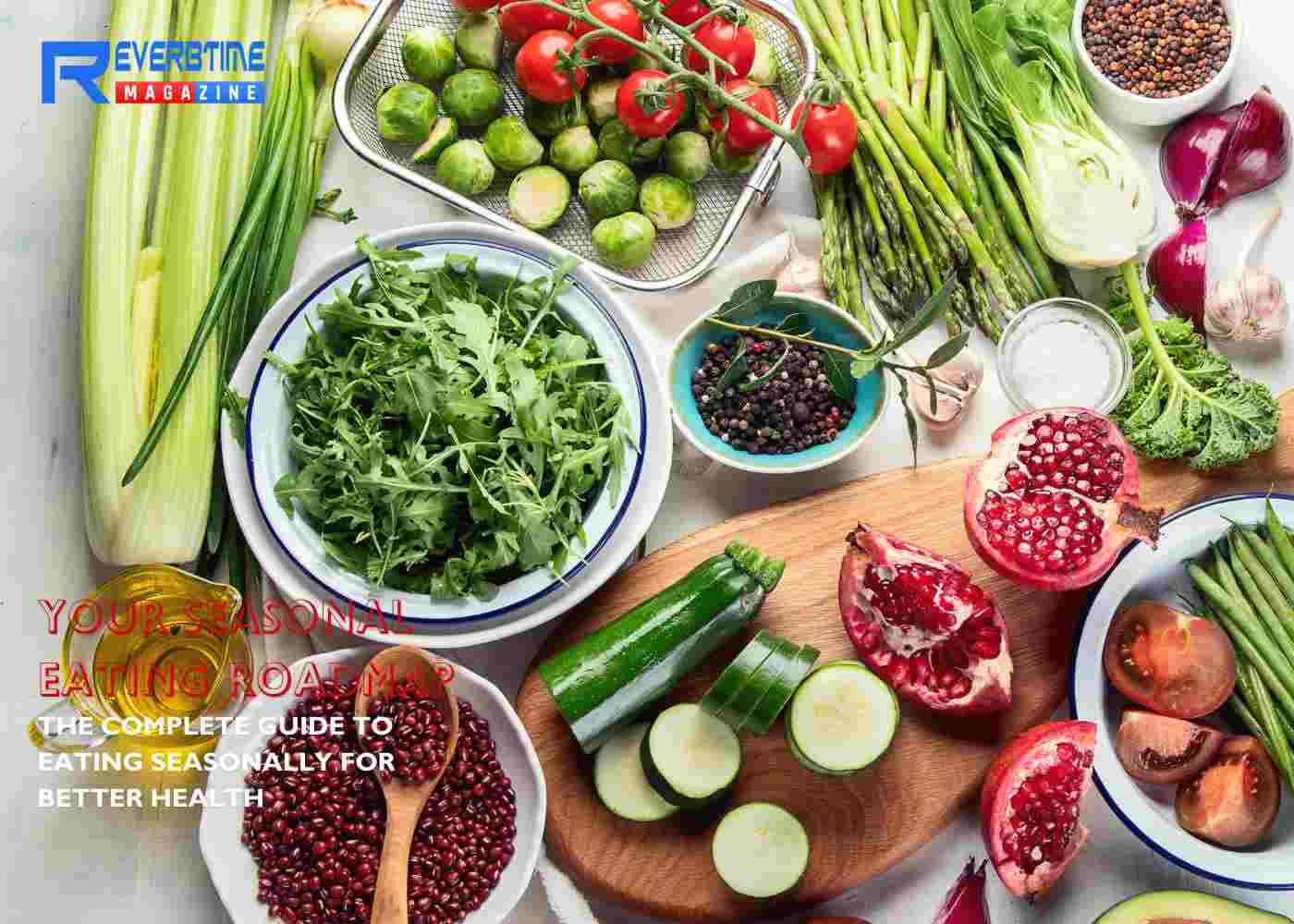
Nutritional Benefits of Seasonal Food
One of the strongest arguments for eating seasonal fruits
and vegetables is that they are healthier. Fruits and vegetables harvested at
the height of freshness have higher vitamin, mineral, and antioxidant content
than out-of-season produce, which is often harvested before it is ripe and then
artificially ripened.
For example, the nutritional value of seasonal vegetables is
much higher when consumed fresh. A locally grown tomato at the height of its
season contains more vitamin C and lycopene than a greenhouse tomato that has
traveled thousands of miles. Seasonal fruit nutrition is no exception—winter
citrus fruits are full of immune-boosting vitamin C, and summer berries offer a
potent dose of inflammation-fighting antioxidants.
Consuming seasonal fruits and vegetables also naturally
alters your diet. Root vegetables and dense greens in the winter sustain you
for cold weather, and the summer's profusion of cooling melons and cucumbers
keeps you cool and refreshed.
Improved Flavor and Freshness
Anyone who has ever sunk their teeth into a ripe
vine-ripened tomato or a freshly picked strawberry will tell you that freshness
makes a dramatic difference in flavor. Seasonal, fresh food simply tastes
better because it's harvested when it's supposed to be. Out-of-season food, by
contrast, is usually harvested before it's ripe and then shipped long
distances, resulting in lackluster flavor and texture.
By selecting produce that is in season, you get to
experience fruits and vegetables at their best, so each bite is a flavor
sensation. From the crunchy sweetness of fall apples to the succulence of
summer stone fruits, fresh seasonal eating is worth that you can taste.
Sustainability and Environmental Benefits
Seasonal sustainable eating is not only good for you but
also for the planet. Buying locally grown, seasonal fruits and vegetables
reduces the carbon footprint of long-distance transport, refrigeration, and
storage. This, in turn, decreases the greenhouse gas emissions and consumption
of fossil fuels.
Furthermore, local seasonal food needs less application of
resources like energy and water than out-of-season food, which may be
cultivated under artificial conditions. Buying from local farms also helps
preserve biodiversity and soil fertility, as farmers rotate crops to keep them
in balance with natural growth patterns.
Economic Benefits: Money Savings and Supporting Local Farmers
Seasonal eating can also be kind to your wallet. When crops
are in abundance, prices drop. That is why you'll find that summer zucchinis
are sold for pennies on the dollar compared to their off-season imports.
Seasonal food makes healthy food more accessible and affordable to consumers.
Purchasing at farmers' markets or local retailers also
guarantees that your money benefits local farmers instead of large agricultural
conglomerates. Locally grown produce has benefits outside the economic
realm—purchasing foods grown in communities serves to enable regional food
systems and to establish a higher level of commitment between individuals and
the origin of their food.
How to Bring Seasonal Eating into Your Life
Switching to seasonal eating isn't so much about radically
changing your diet—just making a few conscious choices. Here's how you can
start:
1. Utilize an In-Season Produce Guide – Get to know what is
in season in your area. Most farmer's market or online growers can offer
advice.
2. Visit Farmers' Markets – Farmers' markets are the best
location to get fresh, locally grown produce directly from the farmer.
3. Plan Meals Around Seasonal Produce – Adapt meal prep to
what is in season. Summer salads, winter soups, and autumn root vegetable
roasts are all great ways to prepare in-season produce.
4. Save the Harvest – If there are fruits and vegetables
that you enjoy, try freezing, canning, or dehydrating them for use later when
they are not in season.
5. Grow Your Own Produce – A couple of tomato plants or even
a small herb garden will allow you to enjoy the rewards of fresh, seasonal
eating.
Conclusion
Seasonal eating is not so much about keeping up with the
latest culinary fads—but rather about making mindful, healthful decisions that
reward your body, your taste buds, and the planet. Nibbling on fresh, locally
grown foods guarantees peak nutrition and taste, supports local farming, and
minimizes your carbon footprint. Scheduling and a conscious effort make it easy
to harmonize your plate with nature's rhythms and reap the numerous benefits
that follow. Begin gradually, enjoy the particular joys of each season, and
allow your diet to take its cue from the world around you.
Share:


