

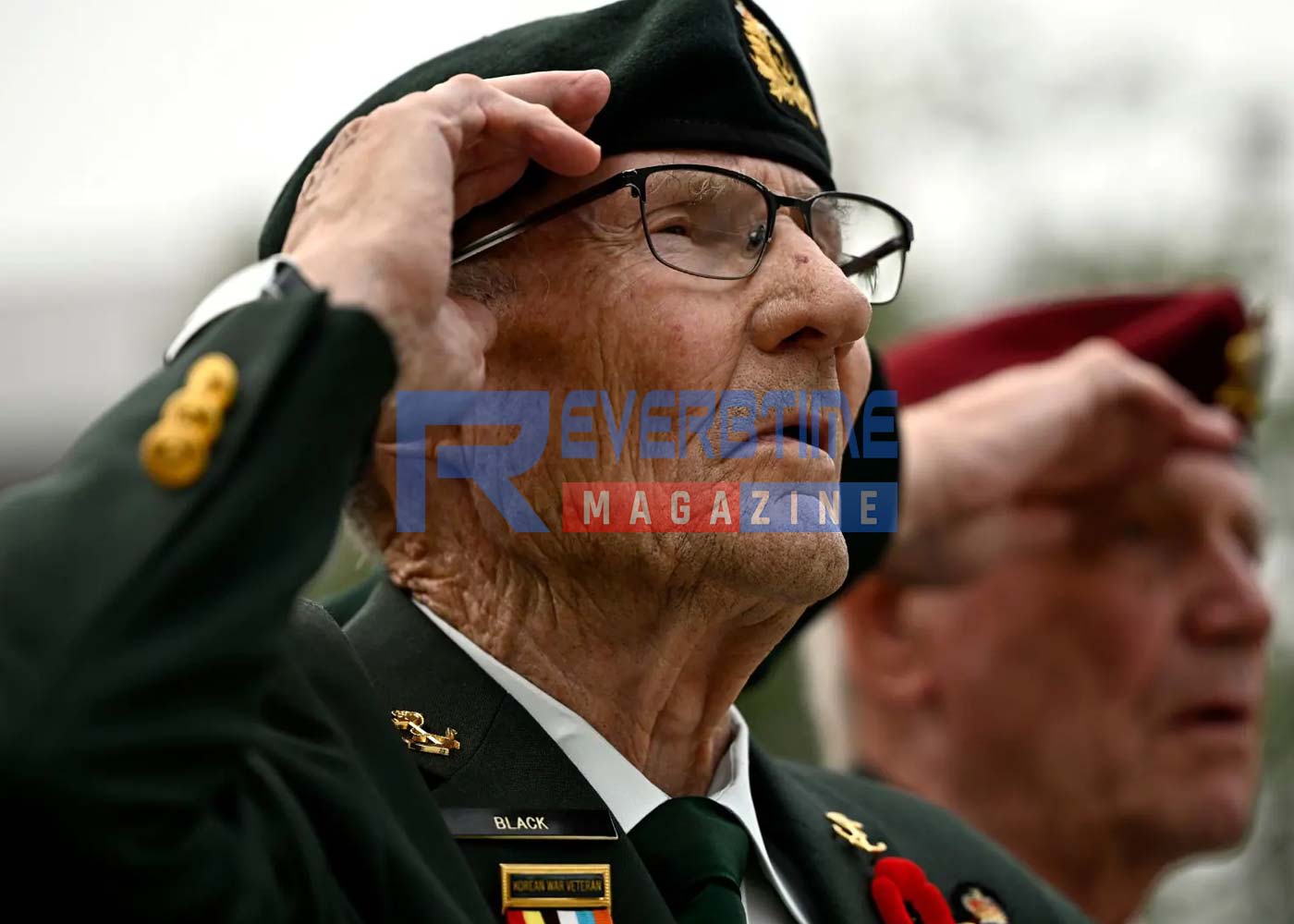
Various sectors play a crucial role in enhancing wounded war
veterans' lives as they transition to a new way of life. Different entities,
such as government agencies, veteran organizations, and grassroots communities,
have been responsible for supporting and honoring these heroes. Veterans'
journeys toward recovery and rebuilding is a collective responsibility. These
stakeholders leverage their strengths to create a meaningful impact while
recognizing the sacrifices of wounded veterans.
1. Non-Profit Veterans Service Organizations
Non-profit veteran organizations help liberate wounded war
veterans from their challenges through targeted support and advocacy. Reputable
veteran care organizations offer exclusive and comprehensive care services to
veterans and their families with caregiver respite, family integration
programs, mobility assistance, vocational training, and mental health support.
CFC-listed non-profit organizations are committed to
upholding rigorous standards in supporting wounded veterans. Held accountable
for the Wounded Veteran Donations they receive,
these charities prioritize program effectiveness and transparency.
These initiatives help address wounded veterans' unique
challenges, providing them with essential relief, skill development, and
improved quality of life. Through their dedicated efforts, non-profit veteran
care organizations like Wounded Warriors Family Support ensure that the
sacrifices of veterans are honored while enriching their post-service
experiences with improved quality of life.
2. Related Government Agencies
Government agencies are pivotal in enhancing the legacy of
wounded war veterans through comprehensive policy development and program
support. At all levels, they enact policies providing vital healthcare, financial
assistance, and educational benefits tailored to veterans' needs. Agencies like
the Department of Veterans Affairs ensure efficient service delivery, advocate
for policy improvements, and manage essential benefits and healthcare services.
Also, government initiatives like the Combined Federal
Campaign (CFC) provide a streamlined structure for federal workers to donate to
support listed organizations of their choice through payroll deductions,
supporting veteran service organizations (VSOs) in funding critical programs.
By addressing core responsibilities and leveraging CFC support, government
agencies significantly improve the quality of life for veterans and their
families.
3. Educational Institutions and Professional Bodies
Educational institutions are pivotal in supporting wounded
veterans. By offering scholarships, specialized training, and academic
accommodations, they facilitate veterans' transition to civilian life. Research
into veteran challenges informs evidence-based support strategies while integrating
military history and veteran experiences into curricula fosters empathy and
respect.
Also, professional bodies can significantly contribute to
veterans' career transitions by developing specialized programs that help equip
them with essential job-seeking skills, increasing their employability.
Training in resume writing, interview preparation, communication skills,
technical skills, and soft skills complements their military experience and
prepares them for diverse roles in the civilian workforce.
4. Role Businesses and Corporations Toward Empowering Veterans
Businesses and corporations hold a significant role in
enhancing the legacy of wounded war veterans in their new way of life. These
organizations can harness veterans' pre-acquired skills and experiences through
tailored employment opportunities, offering mentorship programs, and creating
supportive work environments with accommodations for disabilities and flexible
policies.
Corporate social responsibility (CSR) initiatives focused on
veterans, such as funding veteran organizations, sponsoring community events,
and partnering with non-profits, further exemplify a company's commitment to
this cause. Also, supporting veteran-services initiatives by contributing
towards CFC businesses can empower veterans. By actively engaging in these
initiatives, businesses contribute significantly to veterans' well-being and
economic stability while honoring their sacrifices and enhancing successful
transitions.
5. Community Organizations and Individuals
Community organizations and individuals are integral to
supporting wounded war veterans and enhancing their legacy beyond the
battlefield. Through grassroots initiatives, they provide direct assistance,
such as volunteering and offering vital support for home repairs and
transportation assistance. Advocacy efforts raise awareness about veterans'
challenges, promoting empathy and policy changes.
Local support networks and social activities help veterans seamlessly
be part of these communities. That helps create connections and reduce
isolation. Education and training programs, including vocational training and
entrepreneurship support, empower veterans with new skills and opportunities.
By collaborating with local businesses and forming partnerships, community
organizations create employment opportunities and share resources, ensuring
veterans receive comprehensive support for a successful transition to civilian
life.
Also, specialized community groups can empower wounded war
veterans by helping them find new ways of engaging with hobbies, such as
training in adaptive sports or learning to play musical instruments suited to
their abilities. By integrating veterans into community activities that align
with their interests and skills, these groups create environments where
veterans can feel connected, valued, and supported.
6. Dedicated Healthcare Providers: A Lifeline for Veterans
Healthcare providers cater to the wellness of wounded heroes
by addressing their health and wellness needs. Specialized therapies help
combat brain injuries, amputations, and other physical health limitations.
Mental health treatment, pain management, and therapies are equally crucial for
recovery and reintegration.
Also, medication management helps veterans struggling with
mental health conditions. It involves the careful drug selection, prescription,
and monitoring of medications to manage symptoms while enhancing medication
adherence.
Programs like Veteran Health and other specialized
initiatives ensure veterans receive timely care and support. Veteran-centric
care environments offer personalized and empathetic treatment, reducing
barriers like long wait times and financial costs. That significantly enhances
the quality of life for wounded veterans and their families.
7. Lawyers Supporting Wounded Warriors
Lawyers are a vital pillar for wounded warriors by providing
legal assistance to ensure they receive the benefits and support they deserve.
They help navigate the complexities of veterans' benefits claims, ensuring that
veterans receive timely and accurate benefits.
Such interventions help improve veterans' rights and
protections. They offer pro bono services to assist veterans with legal issues
that may arise as they transition to their new way of life. That helps them
secure their rightful benefits and enhance their quality of life.
In conclusion, collaborative efforts are crucial in ensuring
that wounded veterans continue to experience pride and purpose beyond combat.
However, partnering with a reliable veteran service organization like Wounded Warriors Family Support is pivotal to optimizing these benefits. The
collaboration optimizes support for veterans, from individual empowerment to
family assistance, creating a comprehensive network that honors veterans'
sacrifices and enhances their quality of life.
Share:


