

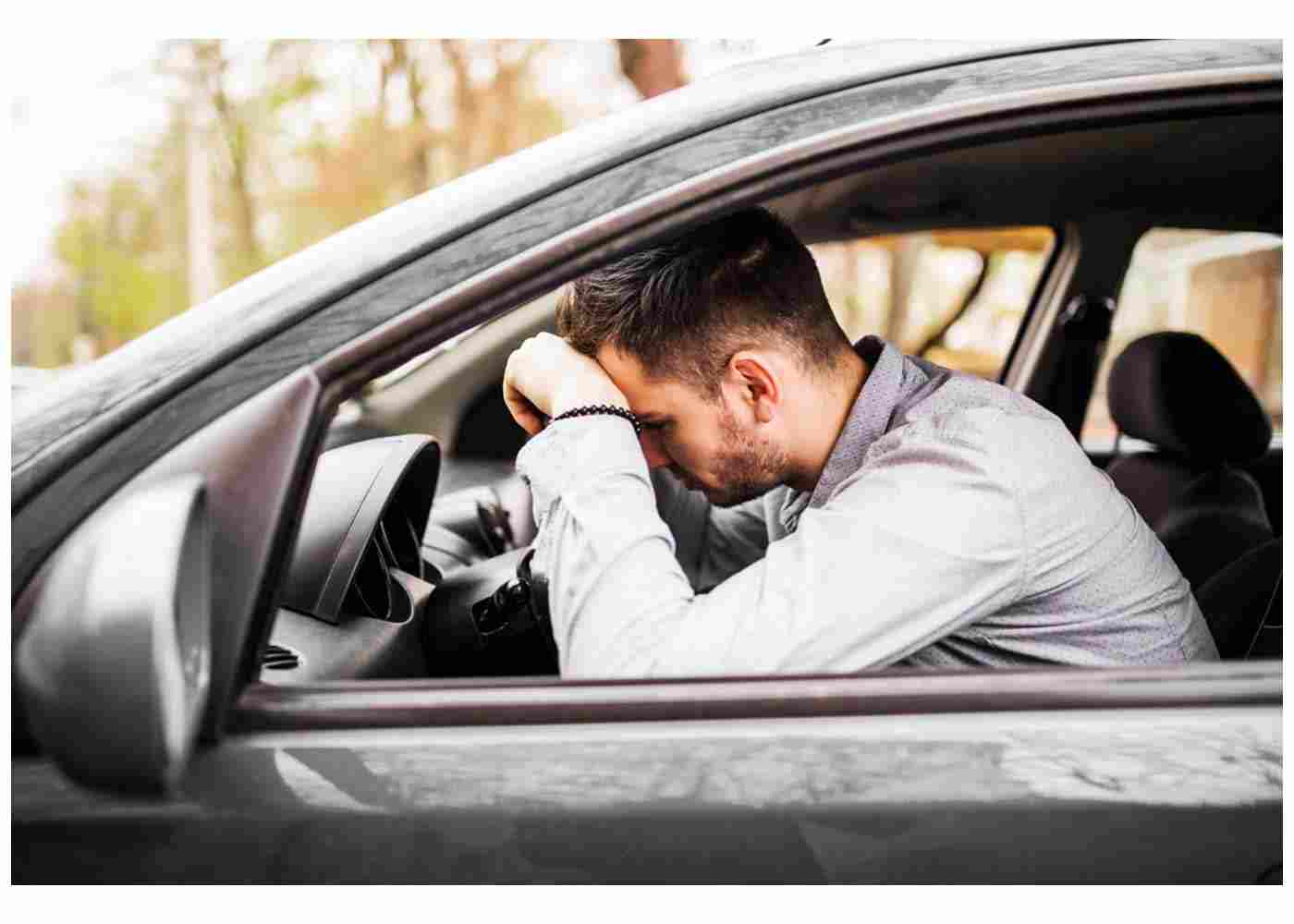
An Uber or Lyft accident is one of those situations you
don’t expect, yet it happens more often than you might think. In fact, reports
show that rideshare accidents occur every day, with thousands of riders and
drivers getting involved in crashes across the country.
Rideshare drivers are on the road all day, driving long
hours, often in busy, congested urban areas. Sometimes, distractions, fatigue,
or the stress of dealing with traffic can cause accidents. Other times, it’s
simply unavoidable; another driver makes a mistake, and suddenly, you're part
of a crash.
Thankfully, you can get full coverage for any damages that
you may have suffered due to the accident. The law allows this. However, you
would need to choose a rideshare accident attorney who has a track record of success with
personal injury cases such as this.
Check Yourself and Others for Injuries
The first thing you should do when you’re involved in an
accident is to check yourself and everyone else in the vehicle. Are you hurt?
Are the driver and any other passengers okay? Even if you feel fine, take a
moment to assess the situation.
If anyone is injured, no matter how minor it seems, call 911
immediately. Medical professionals can properly assess injuries, even ones that
might seem small at first but could worsen over time, like whiplash or head
trauma.
Call 911, Even If You Don’t Feel Hurt
You may be tempted to skip this step, especially if you feel
like the accident wasn’t that serious. But it's always best to call 911. The
police need to come to the scene and document everything that happened.
A police report is an official document that can come in
handy when you’re dealing with insurance later on. It helps clear up the
details about what happened, who was at fault, and any other factors that could
influence the claim process. Plus, it gives you an official record of the
accident.
Even if you don’t think you need medical help right now,
having the police on-site will help make sure that the accident is properly
documented so that you won’t face complications down the line.
Get to a Safe Spot
If the car is in a dangerous spot, maybe the middle of the
road or a busy intersection, and it’s safe to do so, move the vehicle out of
harm’s way. Doing this can help prevent another accident from happening.
If the car is too damaged or it’s not safe to move, just
stay inside and keep your seatbelt on until help arrives. The most important
thing here is to stay calm, stay safe, and not make the situation worse.
If you’re unsure whether it's safe to move the car, it’s
better to wait for emergency responders to direct you.
Exchange Information
You’ll need to get information from the rideshare driver and
anyone else involved in the accident. Start with the basics: names, phone
numbers, and insurance details.
If other cars are involved, ask for their driver’s license
numbers, license plates, and insurance details as well. If there are any
witnesses who saw the accident, ask for their contact information, too.
Notify Uber or Lyft
It’s important to let Uber or Lyft know about the accident
as soon as possible. Open your app and report the incident, even if you don’t
think you need immediate help from them.
Both companies have specific procedures for dealing with
accidents, and they’ll need all the details to handle any claims or insurance
matters. Also, reporting it early helps ensure that you’re not stuck with the
bill for something that wasn’t your fault.
By notifying them promptly, you can make sure that
everything is documented on their end, and they can guide you through any next
steps in the process.
Contact Your Own Insurance Company
You should also notify your personal insurance
company about the accident. Call them and give them a basic rundown of what
happened, including when, where, and how.
Don’t worry about having all the details figured out right
away; just give them the essential facts. Your insurance company may need to get
involved, especially if the rideshare driver’s insurance doesn’t cover all of
your medical expenses or other costs related to the accident.
Be sure to have all your documentation (that is, the
pictures, witness contact information, police report) ready when you talk to
your insurer. That would help your case a lot. And don’t go to the insurance adjuster without a lawyer present, even if you know the adjuster
personally.
Share:


