

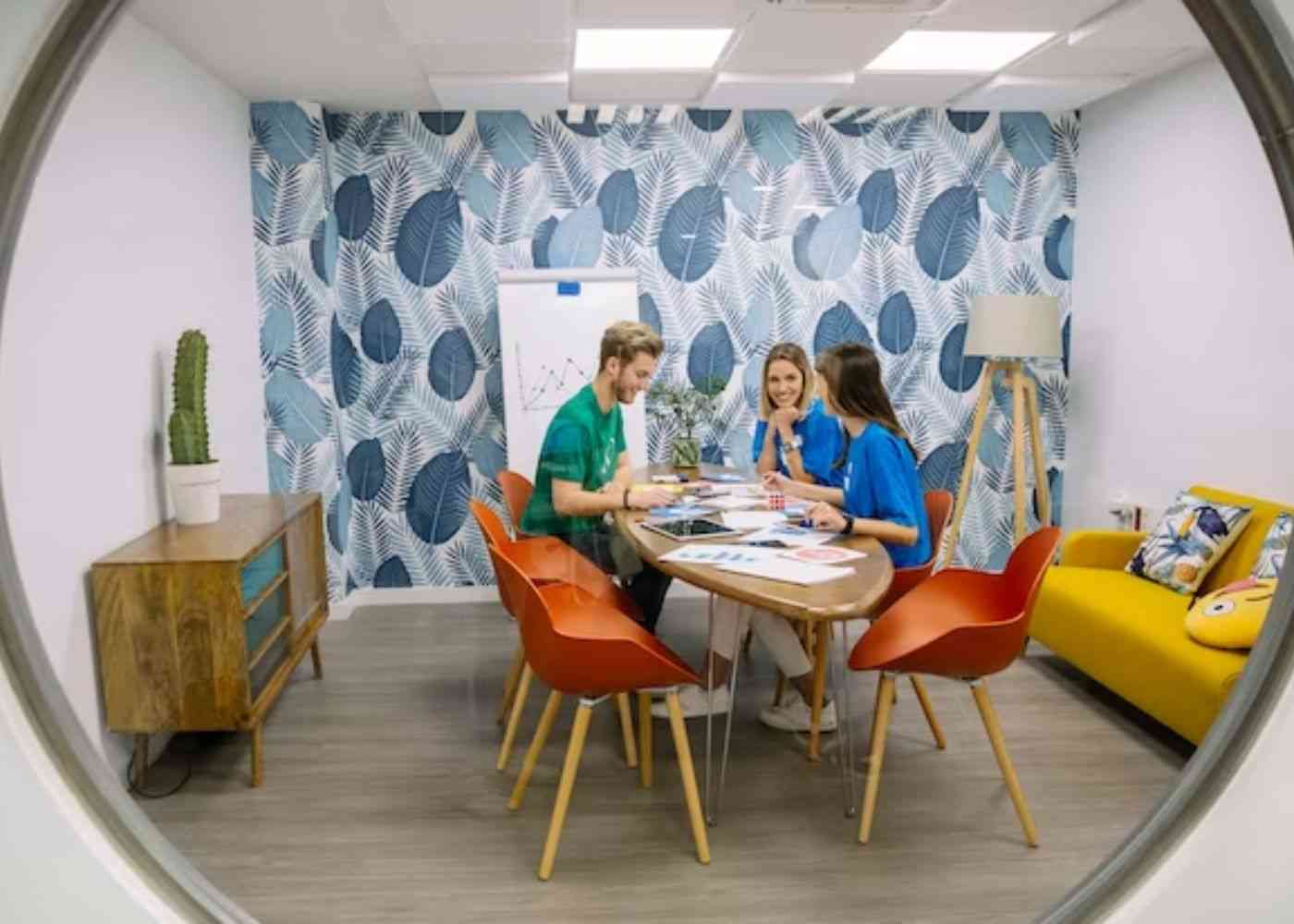
In an era marked by rapid technological advancements and
changing work dynamics, the concept of shared workhouses has emerged as a
transformative force in the world of business and innovation. These innovative
spaces are fostering collaboration, boosting productivity, and inspiring
creativity among professionals from various fields.
In this blog, we'll explore the exciting realm of shared workhouses and how they are becoming the new frontier for collaborative innovation. From the benefits they offer to the ways they're shaping the future of work, we'll delve into the fascinating world of shared workhouses.
The Rise of Shared Workhouses
The concept of shared workhouses has gained significant
traction in recent years, fueled by the rise of remote work, the gig economy,
and the growing demand for flexible work arrangements. No longer confined to
traditional office settings, professionals from diverse industries are seeking
out collaborative workspaces that offer a dynamic environment conducive to
productivity and innovation.
Shared workhouses come in various forms, ranging from coworking spaces and incubators to innovation labs and maker spaces. What sets these spaces apart is their emphasis on community, collaboration, and resource sharing. By bringing together individuals with diverse backgrounds, skill sets, and perspectives, shared workhouses create fertile ground for cross-pollination of ideas and the exchange of knowledge.
1. A Collaborative Haven
Shared workhouses have redefined the traditional workplace, offering a collaborative haven where professionals can share ideas, resources, and expertise. These spaces provide an environment that encourages interaction, enabling individuals from diverse backgrounds to come together, brainstorm, and create. Whether you're an entrepreneur, freelancer, or part of a larger organization, shared workhouses offer an inclusive space where innovation flourishes through the exchange of knowledge and ideas.
2. Boosting Productivity
One of the remarkable aspects of shared workhouses is their ability to enhance productivity. These spaces are designed with productivity in mind, offering a range of amenities and services that cater to the needs of individuals and teams. From high-speed internet and fully equipped meeting rooms to comfortable workstations, shared workhouses ensure that professionals have the tools and environment necessary to accomplish tasks efficiently. Moreover, the collaborative atmosphere can be a powerful motivator, inspiring individuals to stay focused and dedicated to their work.
3. Cost-Effective Solutions
For startups and small businesses, shared workhouses provide a cost-effective solution to the challenges of acquiring office space and maintaining overhead expenses. By sharing resources, such as office equipment, utilities, and administrative services, businesses can significantly reduce their operating costs. This cost efficiency allows organizations to allocate their resources more strategically, channeling funds into areas that drive growth and innovation.
4. Nurturing a Diverse Network
In the world of shared workhouses, networking opportunities abound. Professionals from various industries, backgrounds, and skill sets converge in these spaces, creating a diverse and vibrant community. This diverse network not only opens doors to new business opportunities but also fosters an environment where learning and growth are constant. Collaborative innovation thrives when individuals with different perspectives and experiences come together, and shared workhouses provide the ideal setting for such connections to flourish.
5. Shaping the Future of Work
Shared workhouses are not just a trend; they are shaping the
future of work itself. With the rise of remote and flexible work arrangements,
the demand for such spaces is expected to grow. This evolution in work culture
is redefining how organizations operate, making it imperative for businesses to
adapt and embrace collaborative innovation. Shared workhouses are at the
forefront of this transformation, offering a glimpse into the future of work
where creativity, collaboration, and innovation are the driving forces.
In conclusion, the concept of shared workhouses has
transformed the landscape of collaboration and innovation. These vibrant hubs
not only serve as a shared warehouse of
creativity but also offer valuable storage space for contractors seeking cost-effective and dynamic solutions. As
professionals navigate the evolving work environment of the digital age, shared
workhouses are emerging as the cornerstone of collaborative innovation, opening
doors to productivity and creativity like never before. Embracing these spaces
may well be the key to unlocking the full potential of your professional
journey.
In conclusion, the concept of shared workhouses has
transformed the landscape of collaboration and innovation. These vibrant hubs
not only serve as a shared warehouse of creativity but also offer valuable
storage space for contractors seeking cost-effective and dynamic solutions. As
professionals navigate the evolving work environment of the digital age, shared
workhouses are emerging as the cornerstone of collaborative innovation, opening
doors to productivity and creativity like never before. Embracing these spaces
may well be the key to unlocking the full potential of your professional
journey.
In conclusion, shared workhouses represent a new frontier
for collaborative innovation, offering a compelling alternative to traditional
work environments. By fostering community, collaboration, and creativity, these
dynamic spaces are reshaping the way we work and interact. As we embrace the
opportunities and challenges of the digital age, shared workhouses will
continue to serve as catalysts for innovation, entrepreneurship, and social
change.
Share:


