

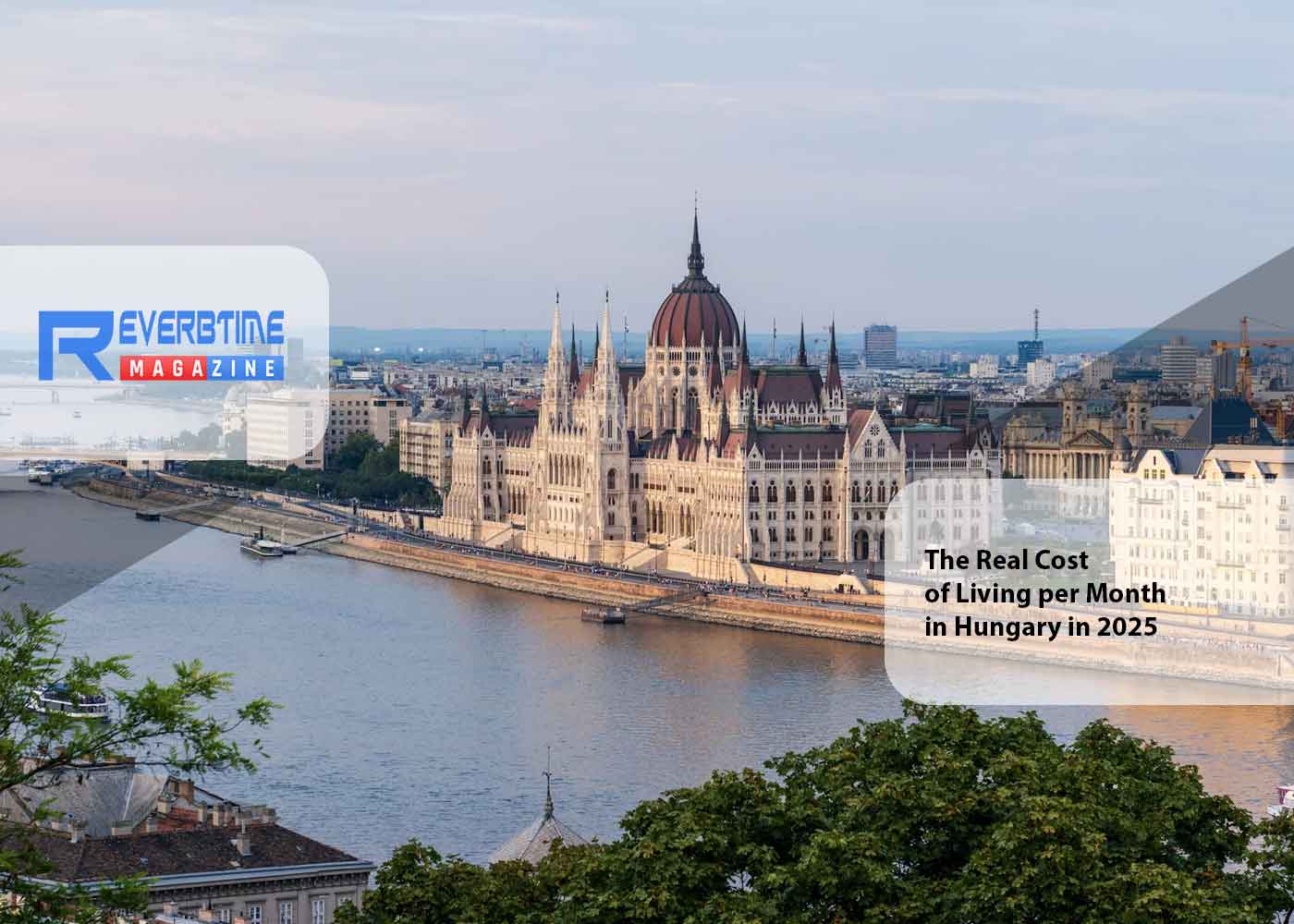
Hungary, a central European country with a rich history and
modern infrastructure, offers a mix of affordable living and high quality of
life. The country is increasingly becoming a popular destination for expats,
especially for those seeking a European lifestyle without the high costs seen
in other EU nations.
In this article, Elena Kozyreva, Managing Director for Real Estate projects, Investment Programs Expert at Immigrant Invest, will explore the real cost of living in Hungary in 2025, covering everything from accommodation to daily expenses, and the advantages of living in Hungary as a foreigner.
Key Reasons for Immigration to Hungary
Hungary has become an attractive choice for many foreigners
looking to relocate to Europe. Several factors contribute to this trend,
including:
1. Affordability. The cost of living in Hungary is
relatively low compared to other European countries, especially Western Europe.
This makes it an appealing option for expats and retirees looking to stretch
their budget further.
2. Quality of life. Hungary offers a good quality of living in Hungary with access to excellent healthcare, well-maintained public
transport, and a rich cultural scene. The country is also known for its natural
beauty, from the stunning Lake Balaton to the picturesque towns and vineyards.
3. EU membership. As an EU member, Hungary offers the
benefit of easy travel within the Schengen Area. This is particularly
attractive for those who want to explore the rest of Europe while living in a
more affordable country.
Cost of Living in Hungary
The cost of living in Hungary in 2025 remains one of the
most affordable in Europe. However, costs vary depending on location,
lifestyle, and personal habits. Below is a breakdown of the typical monthly
expenses for a single person living in Hungary.
Accommodation. Rent is one of the biggest monthly expenses
for expats. In major cities like Budapest, a one-bedroom apartment in the city
center can cost between €400—600 per month, while in more suburban areas, rent
can be as low as €250—400. For those living outside of Budapest, rent can be
even cheaper, with some areas offering apartments for €200 or less.
Utilities. Monthly utilities, electricity, heating, water,
and garbage, for an average-sized apartment range from €100 to 150. This can
vary based on usage and the size of the property. In winter, heating costs can
be higher due to Hungary's cold climate.
Groceries. The cost of food in Hungary is affordable,
especially when compared to Western Europe. On average, a monthly grocery bill
for one person can be around €150 to 250, depending on eating habits. Local
markets offer fresh produce at lower prices, and international supermarkets are
also available.
Transportation. Public transport in Hungary is reliable and
affordable. A monthly public transport pass in Budapest costs around €15 to 20.
Taxis and ride-sharing services like Bolt are also available, with fares starting
at €2 and increasing with distance.
Dining out. Hungary offers a variety of dining options at
affordable prices. A meal at a mid-range restaurant typically costs around €12
to 20 per person. Fast food or street food like a kebab or langos will cost
around €3 to 5.
Healthcare. Hungary has both public and private healthcare
options. EU citizens can access the public healthcare system with a valid
European Health Insurance Card, while non-EU citizens may need private
insurance. The cost of private health insurance for foreigners can range from
€30 to 60 per month.
Living in Hungary as a Foreigner
For foreigners, Hungary is a welcoming country with a
variety of legal and logistical options for residence. The Hungarian government
has created a number of visa and residence permit programs aimed at attracting
skilled professionals, investors, and retirees. The process for obtaining a
residence permit is generally straightforward, with options for both short-term
and long-term stays.
Expats in Hungary often find the lifestyle to be easy to
adjust to. The country has a mix of traditional Hungarian culture and modern
conveniences. English is widely spoken in larger cities, especially in
Budapest, and many expats find it easy to integrate into local communities.
While Hungarian is a difficult language to learn, many foreigners get by with
basic English in everyday situations.
Additionally, Hungary has a relatively low crime rate and offers a peaceful environment, making it a safe place to live. The country’s efficient public transport system and beautiful cities make daily life convenient and enjoyable.
Moving to Hungary from the UK
For UK nationals, moving to Hungary after Brexit requires a
few additional steps. However, Hungary still offers several visa options for UK
citizens looking to move to the country. The most common options include:
1. Residence permit for work. UK nationals who have a job
offer in Hungary can apply for a work permit and residence permit. This process
requires proof of employment and sufficient income to support oneself.
2. Self-employment. For entrepreneurs or self-employed
individuals, Hungary offers a residence permit based on self-employment.
Applicants must demonstrate that their business is viable and can sustain them
financially.
3. Family reunification. UK nationals who are married to a
Hungarian citizen or have family ties in Hungary may be eligible for residence
through family reunification. This option allows spouses and children to join
their family members in Hungary.
4. Golden Visa. For those looking to invest in Hungary, the Golden Visa program is an attractive option. By investing in fund units or making donation, UK nationals can secure a residence permit and potential citizenship in Hungary.
Conclusion
In 2025, Hungary remains an affordable and attractive
destination for those looking to move to Europe. The real cost of living in
Hungary is lower than in many Western European countries, making it a great
option for expats. With affordable accommodation, transportation, food, and
healthcare, Hungary offers a high quality of life at a fraction of the cost
found in other EU nations.
For UK nationals, the process of moving to Hungary is
relatively simple, with several visa options available. Whether you’re
considering Hungary for work, retirement, or investment, it’s clear that the
country offers excellent value for money.
Share:


