

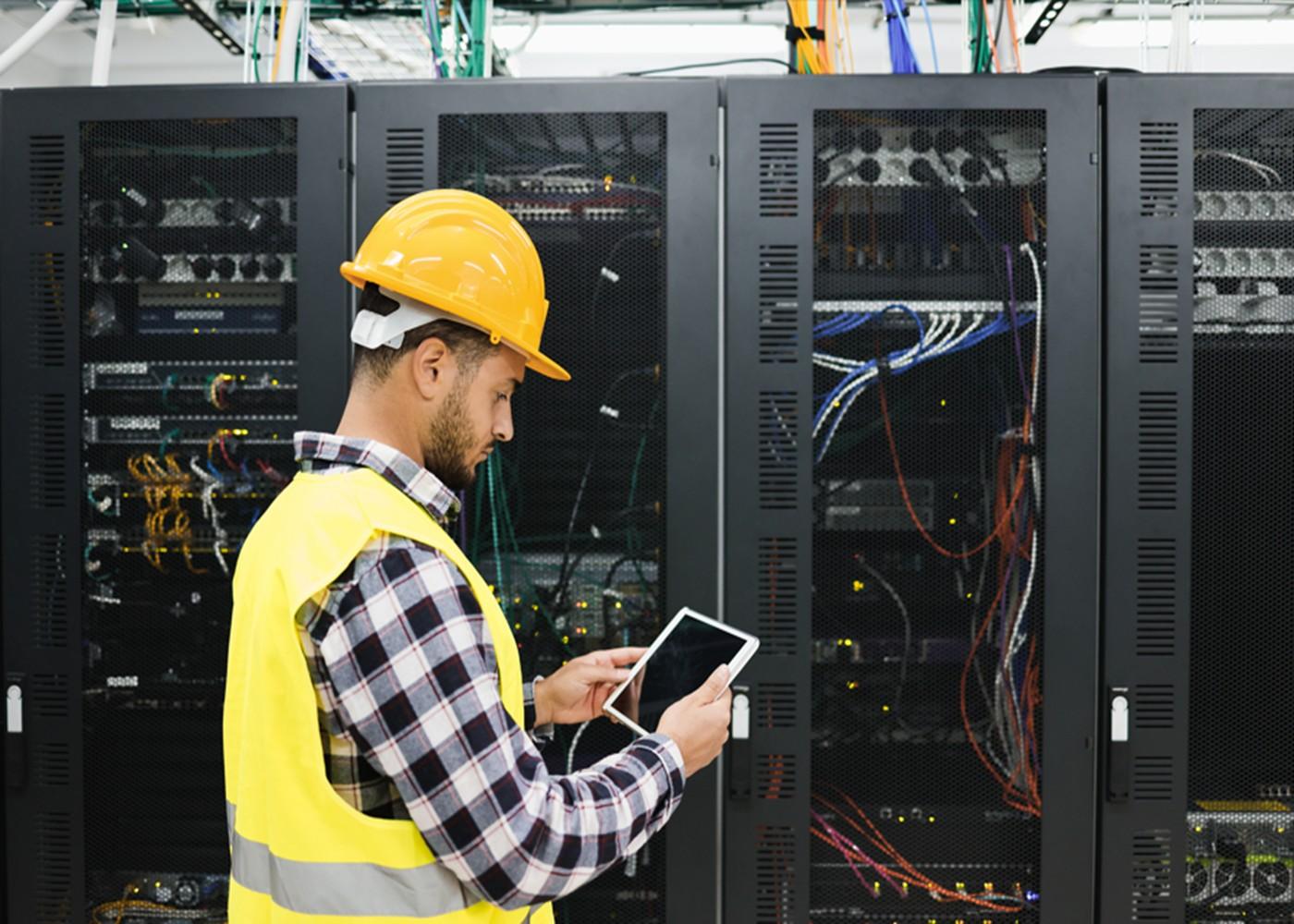
Behind every efficient data center is a well‑designed
HVAC commercial cooling system capable of supporting continuous, high‑demand
operation. These systems must be engineered to handle large thermal loads while
maintaining precise environmental control. Companies such as McIntosh Heating & Cooling often work with commercial
facilities to design HVAC solutions that balance airflow, humidity, and
temperature stability. Their work highlights how essential proper HVAC
engineering is to the long‑term performance of any data‑driven
environment.
Commercial HVAC systems in data centers must do more than
simply cool the air. They must manage pressure, filtration, and circulation in
a way that protects sensitive equipment. They also need to integrate with
monitoring systems that track environmental conditions and adjust output as
needed. This level of coordination ensures that cooling resources are used
efficiently and that equipment remains protected under varying workloads.
Why Data Centers Are Turning to Specialized Solutions
As data centers like Data Center Solutions become more complex, many
organizations are adopting specialized infrastructure approaches to maintain
efficiency. This includes integrating combined cooling, power management,
monitoring, and environmental controls into a unified strategy. These solutions
help operators understand how cooling interacts with other systems and how to
optimize performance across the entire facility.
Specialized solutions also make it easier to scale. As
computing needs grow, cooling systems must adapt without causing disruptions.
Integrated approaches allow operators to expand capacity while maintaining
consistent environmental conditions. This reduces the risk of overheating and
ensures that new equipment can be added without compromising efficiency.
Designing Layouts That Support Better Cooling Performance
As cooling technology continues to advance, operators are
also rethinking how physical layout influences thermal performance. Strategic
placement of equipment, thoughtful rack configuration, and intentional
separation of heat‑producing components all contribute to a more
predictable environment. When combined with modern cooling methods, these
design choices help reduce unnecessary strain on infrastructure and create a
more stable foundation for long‑term growth. This holistic
approach ensures that cooling is not treated as an isolated system but as an
integral part of the overall data center ecosystem.
Building Cooling Systems That Adapt to Future Demands
Another important shift is the growing emphasis on long‑term
adaptability. Data centers are no longer built for a single generation of
hardware; they must support evolving technologies, fluctuating workloads, and
new environmental expectations. Cooling systems that can scale, adjust, and
integrate with emerging tools give operators the flexibility they need to stay
ahead of changing demands. By prioritizing adaptability, organizations can
maintain efficiency even as their digital environments become more complex and
interconnected.
The Shift Toward Sustainable Cooling
Sustainability has become a defining priority for modern
data centers. Cooling systems are a major contributor to energy use, so
improving their efficiency has a direct impact on environmental performance.
Many facilities are now adopting cooling technologies that reduce energy
consumption, minimize waste, and support long‑term sustainability goals.
Some of the most impactful changes include:
- Using outside air when conditions allow
- Optimizing airflow to reduce unnecessary cooling
- Implementing systems that adjust output based on real‑time
demand
- Designing layouts that minimize heat buildup
These strategies help data centers operate more efficiently
without sacrificing reliability. They also support broader sustainability
initiatives by reducing the environmental footprint of digital infrastructure.
Airflow Engineering
While cooling equipment often gets the most attention,
airflow engineering plays an equally important role in data center performance.
Proper airflow ensures that cool air reaches the equipment that needs it most
and that hot air is removed quickly and efficiently.
Key airflow considerations include:
- Rack arrangement
- Hot aisle and cold aisle containment
- Cable management
- Floor and ceiling design
- Vent placement
Even small improvements in airflow can significantly reduce
the workload on cooling systems. This not only lowers energy consumption but
also extends the lifespan of HVAC equipment and computing hardware.
Monitoring and Automation
Automation has become a cornerstone of modern cooling
strategies. Advanced monitoring systems track temperature, humidity, airflow,
and equipment performance in real time. When conditions change, automated
controls adjust cooling output to maintain stability.
This level of precision helps prevent overheating, reduces
energy waste, and ensures consistent performance even during peak demand.
Automation also allows operators to identify inefficiencies early and make
adjustments before problems escalate.
Preparing for the Future of High‑Density Computing
As computing environments continue to evolve, data centers
must prepare for higher‑density workloads that generate
more heat. This shift requires cooling systems that are flexible, scalable, and
capable of supporting advanced technologies.
Future‑ready cooling strategies may
include:
- More efficient airflow containment
- Greater use of adaptive cooling systems
- Enhanced environmental monitoring
- Infrastructure designed for modular expansion
By planning ahead, data centers can avoid costly retrofits
and ensure that their cooling systems remain effective as technology advances.
The Broader Impact of Cooling Innovation
Cooling technology influences more than just temperature
control. It affects energy budgets, equipment longevity, operational stability,
and the overall sustainability of digital infrastructure. As cooling systems
become more advanced, they enable data centers to operate more efficiently and
support increasingly complex workloads.
This evolution reflects a broader trend in the industry: the
shift from reactive maintenance to proactive environmental management. Instead
of responding to overheating issues, operators now design systems that prevent
problems before they occur.
Cooling as a Strategic Advantage
Cooling technology is no longer a background component of
data center operations. It has become a strategic asset that shapes efficiency,
sustainability, and long‑term performance. As digital
infrastructure continues to evolve, the ability to maintain stable thermal
conditions directly influences how reliably systems can operate and how
effectively organizations can manage energy use. Modern cooling
approaches—ranging from advanced airflow engineering to adaptive HVAC
integration—demonstrate that efficiency is achieved not through a single
innovation but through a coordinated ecosystem of thoughtful design and
responsive technology.
The growing complexity of digital environments also means
that cooling strategies must be flexible enough to support future demands. As
workloads shift, densities increase, and sustainability expectations rise, data
centers will rely on cooling systems that can adapt without compromising
stability. This adaptability is becoming a defining characteristic of high‑performing
facilities, enabling them to scale confidently while maintaining consistent
environmental control. By investing in forward‑thinking cooling strategies,
operators position themselves to meet the challenges of tomorrow’s digital
landscape with greater resilience and efficiency.
Share:


