

For countless individuals, mowing the lawn has devolved into
nothing more than a mundane weekly obligation. It finds itself squeezed between
a flurry of errands, dutifully scribbled on a Sunday to-do list, or entrusted
to the capable hands of the teenager in the family. Yet, what if this seemingly
trivial task held the potential for something far more enriching? What if
tending to the grass could transform into a profound experience—a form of
therapy that invites reflection, a mindful practice that grounds us in the
present moment, or even an unexpected wellspring of joy that revives our
spirits?
Rediscovering Routine as Ritual
In an age of relentless stimulation and screens, people are
turning to simple, repetitive tasks as a way to reset their minds. Think of the popularity of knitting, baking bread, or adult coloring books. These activities offer
something that our digital lives often don't: rhythm, control, and presence.
Mowing the lawn belongs in this category.
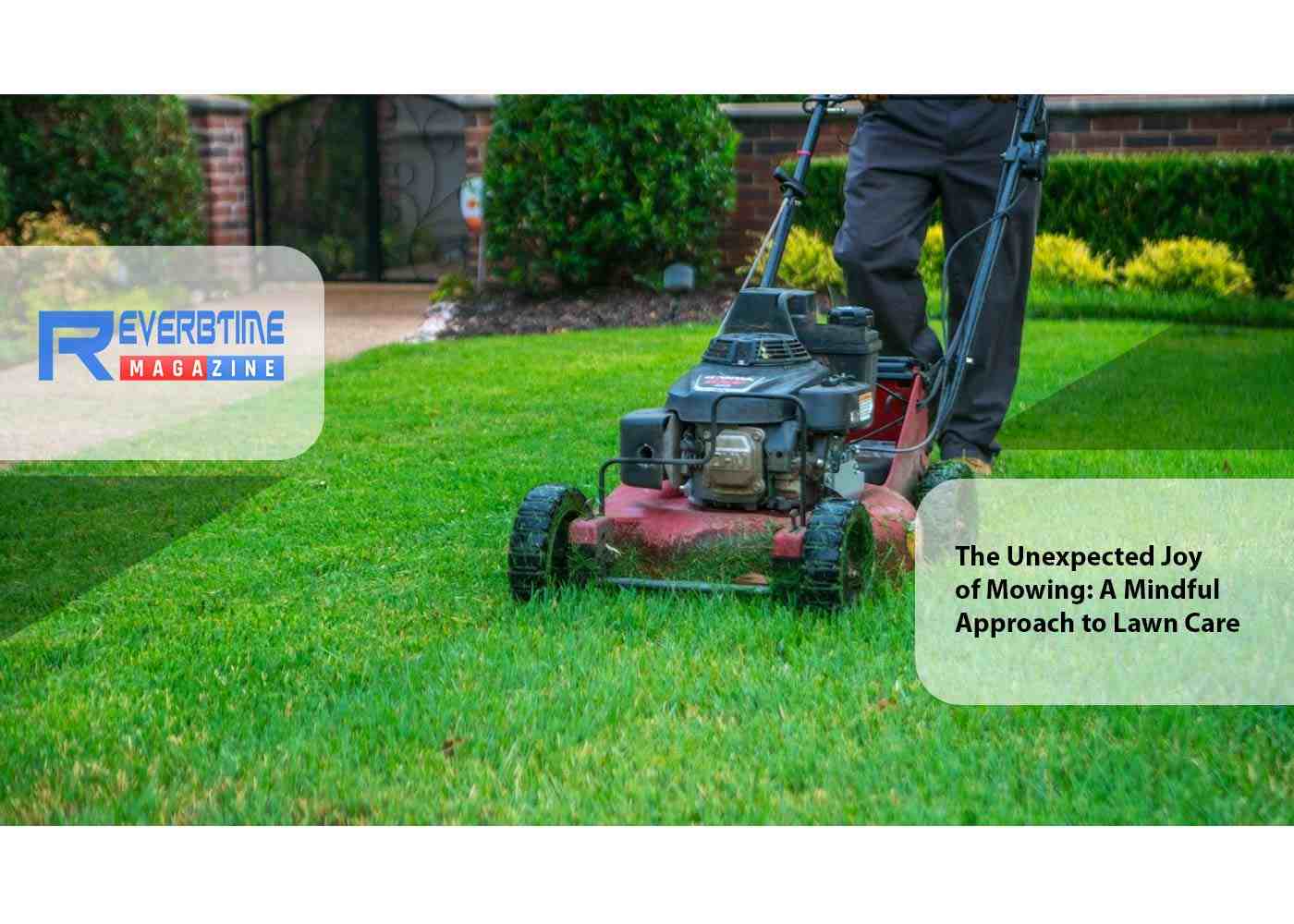
Walking behind a mower or gliding along on a riding version,
you're in charge of a clean, visible path. There's immediate feedback for your
efforts, and that sense of accomplishment—the stripes in the grass, the fresh
smell of cut blades, the order replacing chaos—can be genuinely satisfying.
More than that, mowing encourages you to focus on the
moment. There are lines to follow, obstacles to avoid, and patterns to create.
Your phone isn't in your hand. Notifications can't reach you. It's just you,
the grass, and the hum of the machine.
The Science of Mowing and Mental Health
Studies have increasingly shown that time spent outdoors has a powerful effect on mood. Nature exposure reduces
stress hormones, lowers blood pressure, and improves focus. But it doesn't stop
at hiking or forest bathing. Even basic interaction with your backyard offers
measurable benefits.
Mowing the lawn, specifically, brings the added reward of
physical movement. Even riding mowers engage your muscles, requiring balance,
steering, and coordination. Your brain gets a dopamine boost not just from the
task completion but also from the combination of fresh air, sunlight, and purposeful
motion.
One fascinating theory, known as "biophilia,"
suggests that humans have an innate desire to connect with nature. Lawn care
feeds that connection. You're tending to a living, growing space, helping it
thrive. That nurturing role taps into something deep and instinctual.
Mowing as a Mindful Practice
Mindfulness,
the practice of being fully present and aware of the current moment, is often
associated with meditation. But not everyone is drawn to sitting still in
silence. For some, mindfulness is better approached through action.
Mowing can become a form of "moving meditation."
The repetitive motion, the white noise of the motor, and the sensory experience
of being outdoors create the perfect conditions. There's even a kind of cadence
to it—the back-and-forth rhythm, the hum of the engine, the scent of fresh
clippings.
To bring mindfulness into your mowing routine, try the
following:
- Leave distractions behind: No podcasts, no music, no
multitasking. Allow yourself to simply be present.
- Pay attention to your senses: Notice how the sun feels,
what the grass smells like, how the mower handles.
- Observe without judgment: Your lawn doesn't need to be
perfect. This isn't about achieving a flawless result but engaging with the
process.
Over time, this mindful approach can turn mowing into a
restorative activity rather than a burdensome one.
The Right Tools Make a Difference
Part of finding joy in mowing is making sure the experience
is smooth, efficient, and even a bit enjoyable. That means using the right
equipment. For larger yards or properties, zero turn mowers offer precision and speed that transforms
the task from time-consuming to streamlined. Their maneuverability and comfort
features make them ideal for those who want to maximize both control and ease.
The better your tools, the more likely you are to stick with
the practice. A mower that fits your lawn and your preferences doesn't just
make the job easier; it makes the whole thing feel like less of a job.
Cultivating Pride in Your Space
There's something undeniably uplifting about stepping back
and admiring a freshly mowed lawn. It doesn't matter if you're working with a
sprawling property or a modest patch of green—that moment of pride hits all the
same. It's the result of effort, intention, and care.
When you invest time in your lawn, you're investing in your
environment. That sense of ownership and pride fosters deeper connections to
your home. It encourages you to step outside more often, to engage with your
neighbors, to appreciate the space you've shaped.
This connection becomes especially meaningful when shared.
Families who mow together often turn it into a bonding experience. Kids learn
responsibility, adults rediscover a form of active relaxation, and everyone
gets to see the rewards of effort in real time.
Breaking the Monotony with Patterns
For the creatively inclined, mowing can even be an art form.
Lawn striping—the
technique of bending grass blades in different directions to create
patterns—has become a quiet hobby for many homeowners. The process is oddly
meditative, whether it's simple alternating lines or more elaborate
checkerboards and waves.
It offers a chance to experiment, to create something
visually pleasing, and to surprise yourself with how a utilitarian task can
yield aesthetic rewards. No two mowings need to look the same. That sense of
novelty keeps things engaging over time.
A Weekly Reset
Mowing can also serve as a weekly mental reset. It's one of the few household
chores that actually takes you outside, away from screens and distractions. It
provides a natural boundary to your day or week. Once it's done, you feel a
tangible sense of closure.
This is especially important for those who work remotely or
spend long hours indoors. Mowing signals a shift. It's a movement from digital
space to physical space, from virtual problems to real, manageable tasks. It
doesn't solve everything—but it doesn't need to. It simply grounds you.
Community and Care
Lawn care is an essential part of building connections
within the community. When you maintain a beautiful yard, you are not only
taking care of your own space but also enhancing the overall appearance of the
neighborhood. This shared effort fosters pride and unity among residents.
Engaging in lawn care can lead to pleasant interactions with
neighbors. Imagine receiving a friendly compliment from someone across the
street or a neighbor sharing valuable tips about the best mowing techniques or
fuel types. These small exchanges help cultivate a sense of belonging and
strengthen the social bonds that create a safe and nurturing environment.
Many people go beyond their own properties, embodying the
spirit of community through their lawn care efforts. Picture someone
volunteering to mow a neighbor's lawn while they are ill or away on vacation.
Or envision a group organizing neighborhood clean-up days, transforming the
solitary task of lawn care into a joyful communal experience. These actions
infuse a simple chore with a sense of camaraderie, enriching the community and
strengthening its connections.
Reframing the Chore
The secret to finding unexpected joy in the seemingly mundane task of mowing lies in changing
your perspective. Instead of seeing it as just another obligation on your
never-ending to-do list, view it as an invitation—a moment to pause amid the
chaos of life, to engage your body purposefully, to breathe in the fresh air
filled with the scent of grass and earth, and to take pride in the beauty of
your surroundings.
Like any mindful practice, adopting this new outlook
requires patience and time. Initially, the repetitive motions may still feel
like a burdensome chore or merely a task to quickly check off. However, as you
immerse yourself in the experience, small yet delightful details begin to surface:
the gratifying sound of the mower's blades cutting through the grass, the
soothing rhythm of your movements, and the noticeable transformation of your
yard from unruly to pristine.
In those moments of focus, something profound shifts within
you. You come to understand that mowing is not just about maintenance; it's an
act of nurturing—both for your lawn and for your own well-being. Each stroke of
the mower becomes a celebration of care and a tangible expression of love for
the space you inhabit, offering a mindful opportunity to reconnect with
yourself.
Conclusion
Mowing the lawn transcends the mere chore of summer upkeep;
it's a chance to immerse yourself in the embrace of nature, to clear your
thoughts, and to revel in the satisfying sense of accomplishment that comes
from tangible progress. Equipped with the right tools and a mindful approach,
this task transforms into a meditative ritual instead of just a routine.
So, the next time you grasp the handle of your mower, pause
for a moment. Inhale deeply the fresh, fragrant air around you. Step into the
vibrant greens and the warm sunshine. Allow yourself to relish the simple
pleasure of crafting neat lines across your yard, each pass of the blades a
gentle brushstroke in the canvas of your outdoor sanctuary. Embrace the joy
that comes with each freshly cut patch, and let the experience rejuvenate your
spirit.
Share:


