

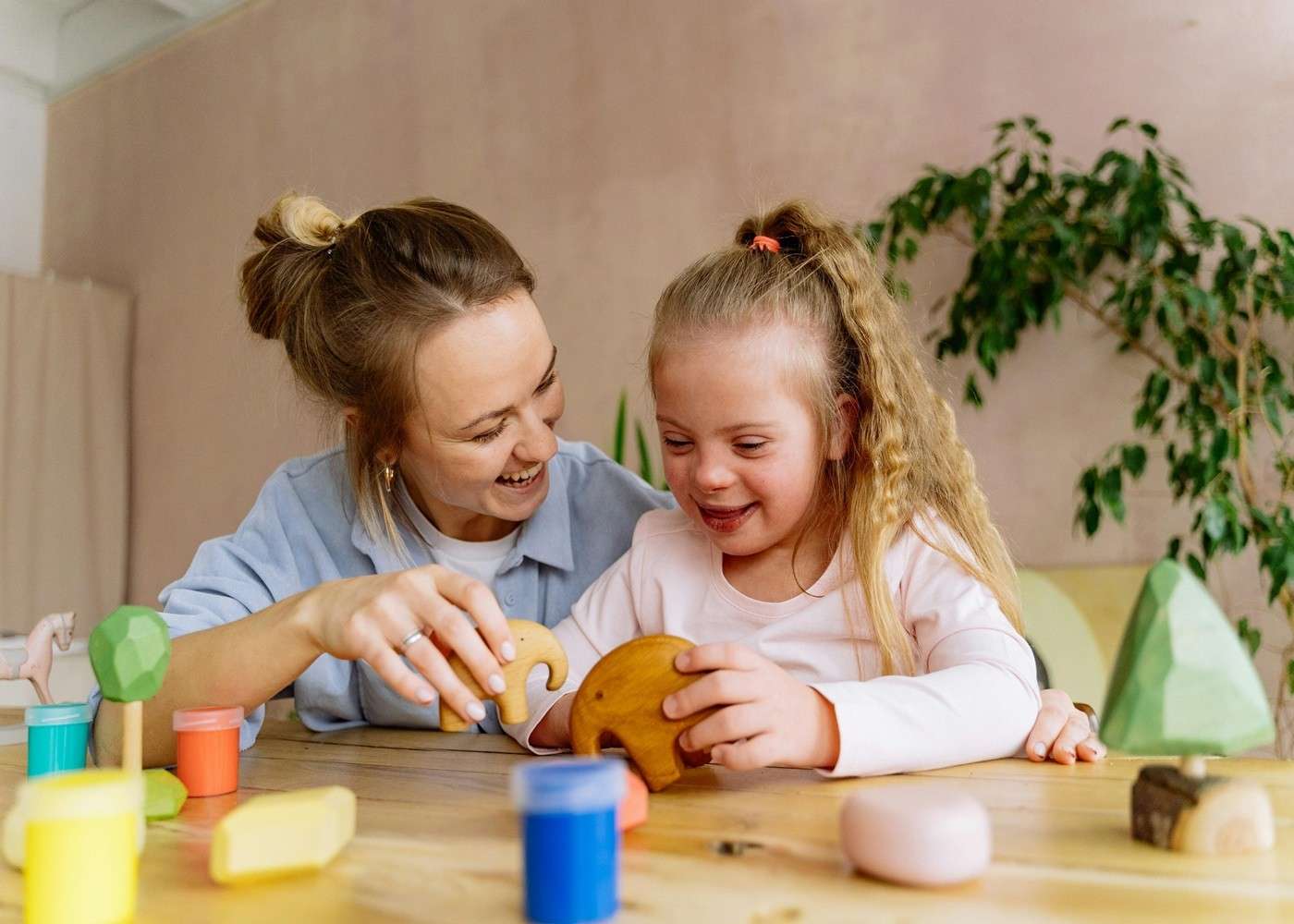
Caregiving is rarely one path, one rhythm, or one
definition. It is emotional, often demanding, and profoundly meaningful. When
care involves someone with an intellectual disability, the experience becomes
even more layered. It calls for patience, empathy, and a willingness to learn.
Many families begin this journey with uncertainty and
questions. Yet, as routines form and communication deepens, caregiving becomes
less about tasks and more about connection. It becomes an ongoing learning
experience that influences both the person receiving care and the person giving
it.
This makes the role of caregiver essential. Beyond daily
support, caregivers help build environments that allow individuals with
intellectual disabilities to grow, thrive socially, and engage with the world.
They become guides, advocates, and consistent emotional anchors. The more we
understand the nature of this care, the more we appreciate the resilience and
dedication behind it.
The Role of Caregiving in Emotional and Social Growth
People with intellectual disabilities benefit greatly from
predictable support and encouragement. Caregivers help nurture emotional
security by paying attention to what brings comfort or distress, what sparks
excitement, and what fosters independence. They may guide with gentle reminders,
walk through daily routines step by step, or simply offer companionship during
activities.
Even simple moments matter. Sharing conversations, engaging
in hobbies, or attending community activities creates opportunities for social
development. Caregivers help individuals build communication skills and
confidence, allowing them to form meaningful relationships beyond the home.
This type of social exposure is especially important, as it supports long-term
mental wellness and a sense of belonging.
Care also extends to decision-making. Many caregivers
encourage choices, ask for input, and allow the individual to express
preferences. These small choices, from picking clothes to selecting food,
empower them and reinforce identity. With guidance tailored to cognitive
ability, growth becomes possible at a comfortable pace.
The Everyday Reality of Providing Care
Daily care may involve helping with personal hygiene,
preparing meals, managing medications, or guiding through learning activities.
Some days feel smooth, productive, and even joyful. Others can be challenging
and require flexibility and patience. Over time, caregivers learn to recognize
nonverbal cues, anticipate needs, and create supportive routines.
Midway through the caregiving journey, many families and
professionals begin seeking external resources, training, or structured support
programs. This is often where the role of an intellectual disability caregiver becomes even more
defined. They are not only assistants; they are facilitators of development.
Care is about participation rather than dependency.
Encouraging involvement in household tasks, art activities, or educational
exercises strengthens motor skills, communication, and autonomy.
When individuals feel involved, they feel valued. Caregivers
who provide consistent encouragement help build this inner confidence. Growth
rarely happens overnight, yet with time, progress becomes evident in
conversations, behaviors, and everyday decisions.
The Importance of Communication and Patience
Communication lies at the center of caregiving. Sometimes
words are clear and sentences flow easily. Other times, communication requires
gestures, visual tools, or repetition. Patience makes all the difference. A
calm environment helps reduce stress and encourages participation.
Building trust through communication means listening
closely, observing behavior changes, and responding thoughtfully. Caregivers
often learn to slow down, repeat information in smaller bits, or demonstrate
actions step by step. This compassionate communication style supports emotional
stability and develops language comprehension.
It also encourages bonding. When a caregiver listens
patiently, celebrates achievements, or provides reassurance during difficult
moments, they establish a safe emotional space. This emotional connection is
one of the most valuable aspects of caregiving.
The Value of Support Systems and Professional Services
Caregiving is meaningful, but it can also be overwhelming
without community, training, or guidance. Family caregivers may eventually
connect with care centers, therapy programs, or organizations that focus on
developmental support.
Resources providing services can offer tailored structure,
care strategies, and educational tools designed to support individuals with
intellectual and developmental disabilities.
Professional support does not replace family care. Rather,
it enhances the caregiving circle. Access to community programs, therapy,
respite services, and educational materials helps caregivers maintain balance.
It allows room for rest, self-care, and personal growth
while ensuring continuous support for the individual receiving care. A strong
support network creates stability for everyone involved.
The Future of Caregiving and Continued Growth
As society becomes more aware and inclusive, the perception
of intellectual disability is shifting. There is greater emphasis on ability
rather than limitation. The future of caregiving moves toward empowerment,
where individuals with disabilities are encouraged to participate actively in
daily life, education, and community interaction.
Caregivers will continue playing a critical part in this
progress. Their compassion, consistency, and willingness to learn shape
long-term outcomes. By building structured routines, encouraging independence,
and promoting emotional well-being, caregivers help individuals navigate daily
challenges while celebrating milestones. The journey is ongoing, filled with
gradual success and shared moments of discovery.
Caregiving is not only a responsibility; it is a
relationship. Every smile, breakthrough, and moment of connection reminds us
why the role matters. The presence of a patient and knowledgeable caregiver
helps individuals with intellectual disabilities experience life more fully—with
dignity, safety, and the chance to grow confidently at their own pace.
Share:


