

Your roof is not just a roof. It's a shield that protects
everything below, including your family and your belongings. While roofs aren't
forever, early identification of damage signs can save you from costly repairs.
By being proactive and identifying these signs
early, you can take control of your roof's health and your home's safety. If
you're wondering if you need to have your roof fixed, here are the top 5 signs
to look out for.
1. Cracked, Curled, or Missing Shingles
Like a shield, the shingles on your roof prevent wind, rain,
and sun's harsh rays from damaging your home. However, shingles don't last
forever. If it's over time, they crack, curl, or worse, they just go missing
after a storm. If you see shingles that are stuck upwards or if shingles are
missing altogether, then your roof is at risk of further damage. These
openings, which are tough to detect without having a camera, can allow water in
and cause it to leak, mold, or rot. They wear down from constant exposure to
weather. You can't always deal with it early, and if you don't, it can spread
across greater sections of the roof. If your existing shingles are cracked or
missing, they are a sign that it's time to call in a professional to have an
inspection done.
2. Moss Growth
While moss on your roof might make it look rustic, it's a
warning sign. It grows in damp, shaded areas, accumulating moisture. The
moisture can also cause your shingles to degrade or lift, and your roof can
become a leaky mess. In fact, over time, the ring of shingles can rot since the
moisture buildup will rot the wood just beneath the shingles. Moss likes to
grow in a cool, damp environment and, if left untreated, can cause serious
long-term damage. Regular roof inspections and cleaning will keep this problem
at bay. However, this isn't the job for a do-it-yourself, you can remove moss
with a gentle brush or hire a professional to prevent damaging your shingles in
the process.
3. Water Stains
Often, the first sign that your roof is leaking is water
stains. These stains mean that water has gotten inside your home and that it
will normally show up on the ceiling or walls. A small stain may be harmless,
but it's just the beginning. Water gets into your home through the roof and can
destroy insulation, wood framing, and even electrical systems. The longer you
let the leak go, the more expensive it will be to repair. As you must find the
leak's source, water stains must be addressed immediately.
Wherever you live, roofing services can come to your house and inspect your
roof before any major problems take place, however, if you live in Texas, be
sure to use Houston’s best roofing services for your inspection.
4. Sagging Roof
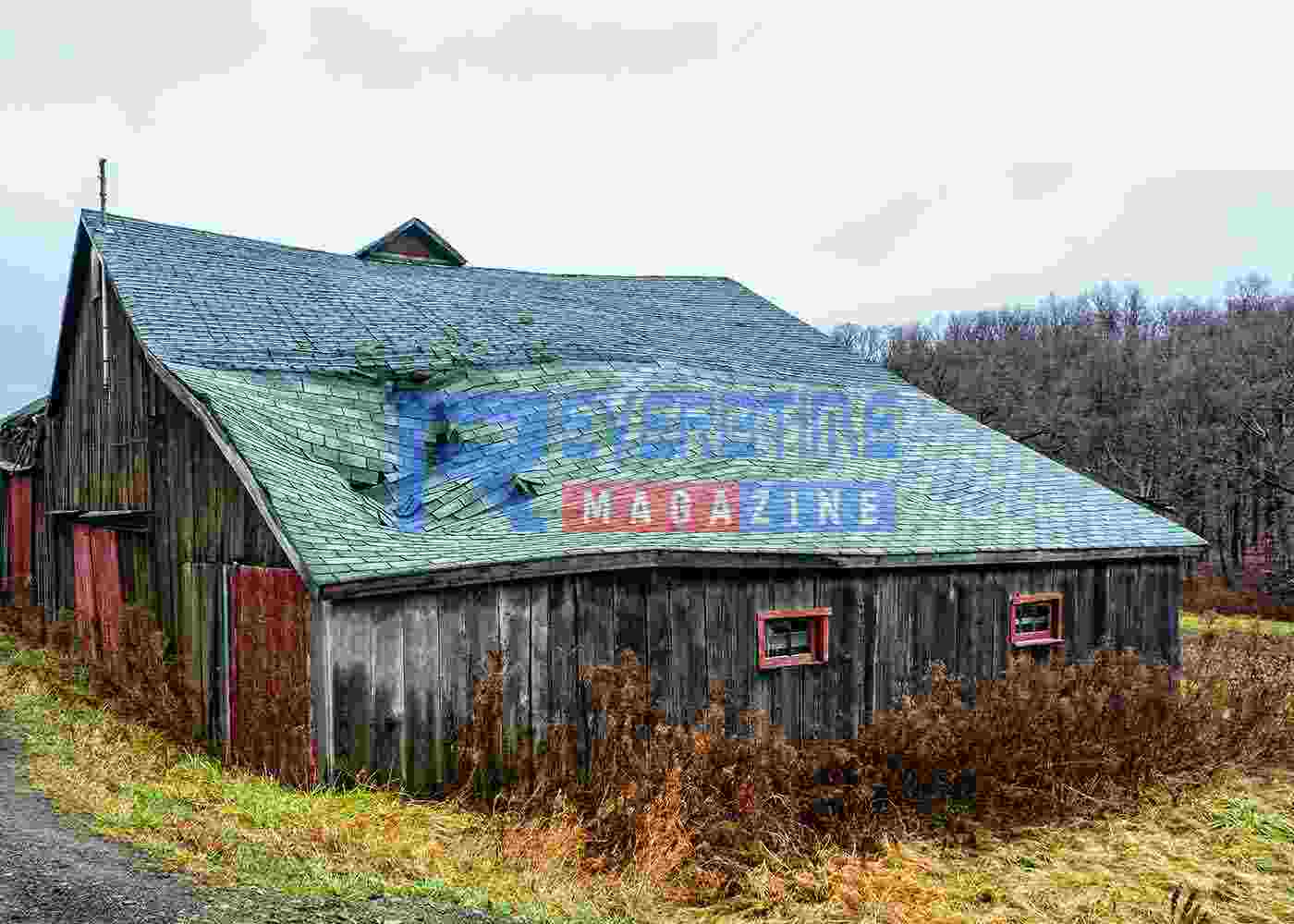
The most obvious and concerning sign of damage is a sagging
roof. The structural integrity of your roof weakens, usually a result of water
damage, poor construction, or age itself, and this issue occurs. A neglected,
sagging roof can pose a very serious safety hazard.
If you see any part of your roof that is drooping or dipping, it is important
to get a pro out to inspect it as soon as possible. In severe cases, the
underlying support system may need to be reinforced; otherwise, it may need to
be replaced altogether. However, this problem can become worse over time and
eventually collapse in extreme cases. It is important to ensure they get the
maintenance they require and that if they start to sag, they are fixed to
prevent major structural failures.
5. Ice Dams
If you have snow on your roof and the snow is melting and
refreezing at the edge of your roof, you're going to get ice dams. When the
heat from your home warms the roof, the snow melts. However, the water flows
over and hits the colder edges of your roof and freezes into an ice dam. This
dam prevents the water from draining properly, and the water pools on your
roof. Pooled water can seep through your home and become a leak, causing water
damage. Ice dams put extra weight on your roof, eventually causing structural
damage. During colder months, proper insulation and ventilation are critical to
preventing ice dams.
Conclusion
If you do not have any type of protection on your roof,
you'll not only lose protection on your roof, but you'll also lose protection
on your home. After severe weather, it can help you catch small problems before
they develop into big ones by being regular. This is an easy type of damage to
spot: moss growth, damaged shingles, water stains, sagging, and ice dams.
Share:


