

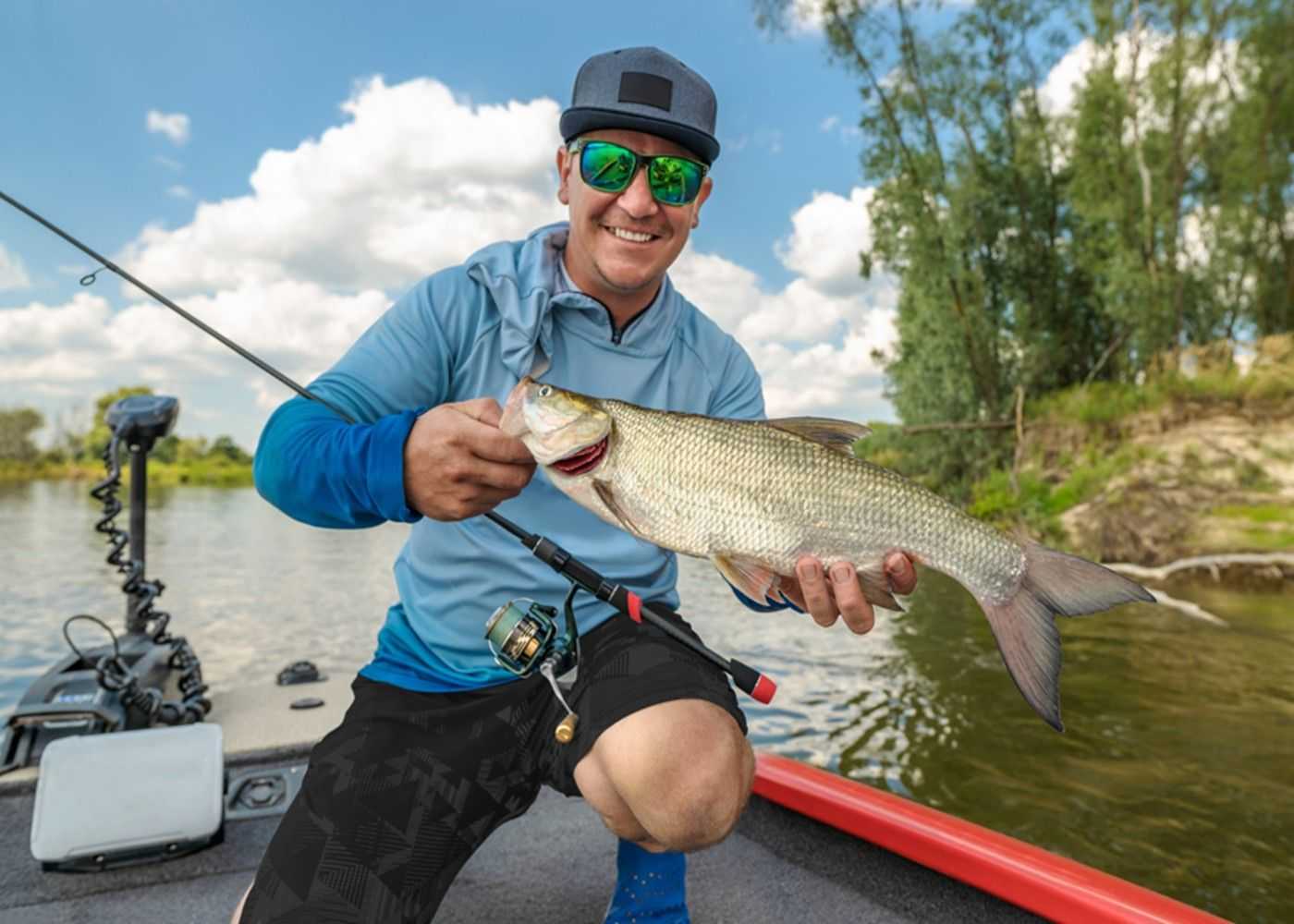
Fishing is an art that combines patience, skill, and the
right techniques. Whether you’re a beginner casting your first line or a
seasoned angler looking to up your game, refining your methods can make a world
of difference. This guide explores the top fishing techniques to enhance your
success, including choosing the right bait, mastering the use of fishing rafts,
and applying proven strategies to elevate your fishing experience.
Preparation is Key
Before we get into the specifics of fishing techniques,
preparation deserves mention. A well-prepared angler is more likely to make a
solid catch. Here’s how you can set yourself up for success.
Understanding the Fishing Environment
Different water bodies (rivers, lakes, or oceans) require
unique approaches. Start by researching the species of fish found in a
particular area. Their behavior, feeding habits, and preferred habitats will
guide your strategy.
Check the Weather and Conditions
Factors like wind patterns, tides, and barometric pressure
can impact how active fish are. Overcast days can be ideal for fishing as fish
are more likely to swim closer to the water’s surface. With that in mind, let’s
dive into some effective techniques to help you reel in more catches.
Selecting the Right Bait
Bait selection is one of the most pivotal aspects of
fishing. The right bait attracts the fish you're targeting, giving you a better
chance at success. Choosing between live bait, lures, or artificial options
depends on your style of fishing and the species you’re aiming to catch. For
more options and information, contact a bait shop like Copperstate Tackle.
Using Live Bait
Live bait, such as worms, minnows, or shrimp, is highly
effective because it mimics the natural prey of fish. To maximize its
potential:
- Match the Hatch: Use bait that resembles what fish naturally
feed on in the area.
- Keep It Fresh: Ensure your live bait is vibrant and fresh
for the best results. Fish tend to ignore sluggish or lifeless bait.
- Presentation Matters: Presentation affects whether a fish
will take the bait. Use hooks and techniques that keep the bait moving
naturally in the water.
Lures and Artificial Baits
Artificial lures are versatile and reusable. They work well
if you’re targeting a specific type of fish. Common types of lures include
spinners, crankbaits, and soft plastics. The key is to mimic the appearance and
movement of prey. When using artificial bait:
- Experiment with retrieval speeds to find what works best for
tempting the fish.
- Opt for shiny, reflective lures on sunny days and muted
colors when the water is cloudy.
- Try specialized lures like topwater frogs for bass or
deep-running crankbaits for species at greater depths.
Mastering Casting Techniques
Your casting technique has a significant impact on your
catch rate. Different methods can be used depending on your environment and the
type of fish you’re pursuing.
Overhead Casting
Overhead casting is a reliable and versatile technique that
remains a standard go-to in fishing. It’s easy to learn for newcomers while
still offering precision and control for experienced anglers. This technique is
particularly effective for achieving long casting distances, giving you a
significant advantage when fishing in open water or trying to reach those
hard-to-access spots where fish tend to gather.
Sidearm Casting
Sidearm casting is a great technique to use in situations
where there are obstacles, such as low-hanging branches or overhanging
vegetation, above the water that could interfere with an overhead cast. This
method involves casting the line at an angle, keeping it lower and parallel to
the water’s surface, which helps avoid obstructions.
Pitching and Flipping
These techniques are great when fishing in areas with heavy
cover, such as weeds or debris. Pitching involves gently swinging the bait
underhand to keep it in shallow water. Flipping, on the other hand, is useful
when targeting specific spots close by. Both require practice, but can be
game-changers for experienced anglers.
Fishing Rafts: A Smart Way to Reach More Fish
Fishing rafts provide anglers with a unique advantage by
giving access to areas that are impossible to reach from shore. They’re lightweight,
portable, and versatile, making them ideal for exploring various habitats.
Here’s how to make the most of a fishing raft.
Benefits of Using Fishing Rafts
- Access Hidden Spots: Navigate shallow waters, coves, or
reeds where fish like to hide.
- Greater Maneuverability: Rafts are easy to steer, so you can
position yourself in the best spot based on light conditions or fish movement.
- Quiet Operation: Rafts disturb the water less than boats,
increasing the chance of not scaring away fish.
Tips for Fishing from a Raft
- Invest in a stable raft with features like rod holders and
storage compartments to enhance your experience.
- Use paddles quietly to avoid disrupting fish activity. If
possible, use a trolling motor for a quieter, more consistent speed.
- Always secure your gear to avoid losing it in case of sudden
movement or accidental tipping.
- With a well-fitted fishing raft, venturing into those
otherwise unreachable fishing havens becomes a breeze. For more information,
contact a retailer like Riverboat Works.
Adapting Your Technique for Different Fish
Different fish species require different approaches. While
learning about each type would take an entire book, here are a few popular
examples to guide you.
Bass
Bass are known for their aggressive behavior and are often
found near structures such as fallen logs, docks, rock piles, or submerged
vegetation, where they can hide and ambush prey. When targeting bass, use lure
types like crankbaits, spinnerbaits, or plastic worms, as these are particularly
effective at mimicking their natural prey. Focus your efforts on areas with
plenty of cover, as bass tend to stay close to structures that provide shelter
and hunting opportunities.
Catfish
Catfish are bottom feeders, which means they tend to stay
near the bottom of lakes, rivers, or ponds, scavenging for food. Using stink
bait or chicken liver is an effective option because these baits have strong
odors that attract catfish from a distance. For the best results, fish in
deeper water where catfish are more likely to gather, especially in warmer
weather when they seek cooler depths. Focus on moving your line slowly along
the bottom to mimic natural movement and improve your chances of a catch.
Trout
Trout tend to thrive in cooler water, making them more
active in rivers, streams, and lakes where the temperature stays lower. They
are attracted to live bait, such as worms, minnows, or crickets, which mimic
their natural prey. For the best results, position yourself near moving water
like streams, river currents, or areas where oxygen levels are higher, as trout
are drawn to these environments.
Fishing is both a relaxing pastime and an exhilarating
adventure, especially when you use the right techniques to improve your
success. With proper bait selection, casting refinement, and the strategic use
of fishing rafts, you’re setting yourself up for a fruitful day on the water.
Remember, whether you’re fishing from a raft in a serene lake or casting along
a riverbank at sunrise, focus on enjoying the experience as much as the catch
itself. By fine-tuning your methods and staying adaptable, you’ll see
improvement in both your skills and your results.
Share:


