

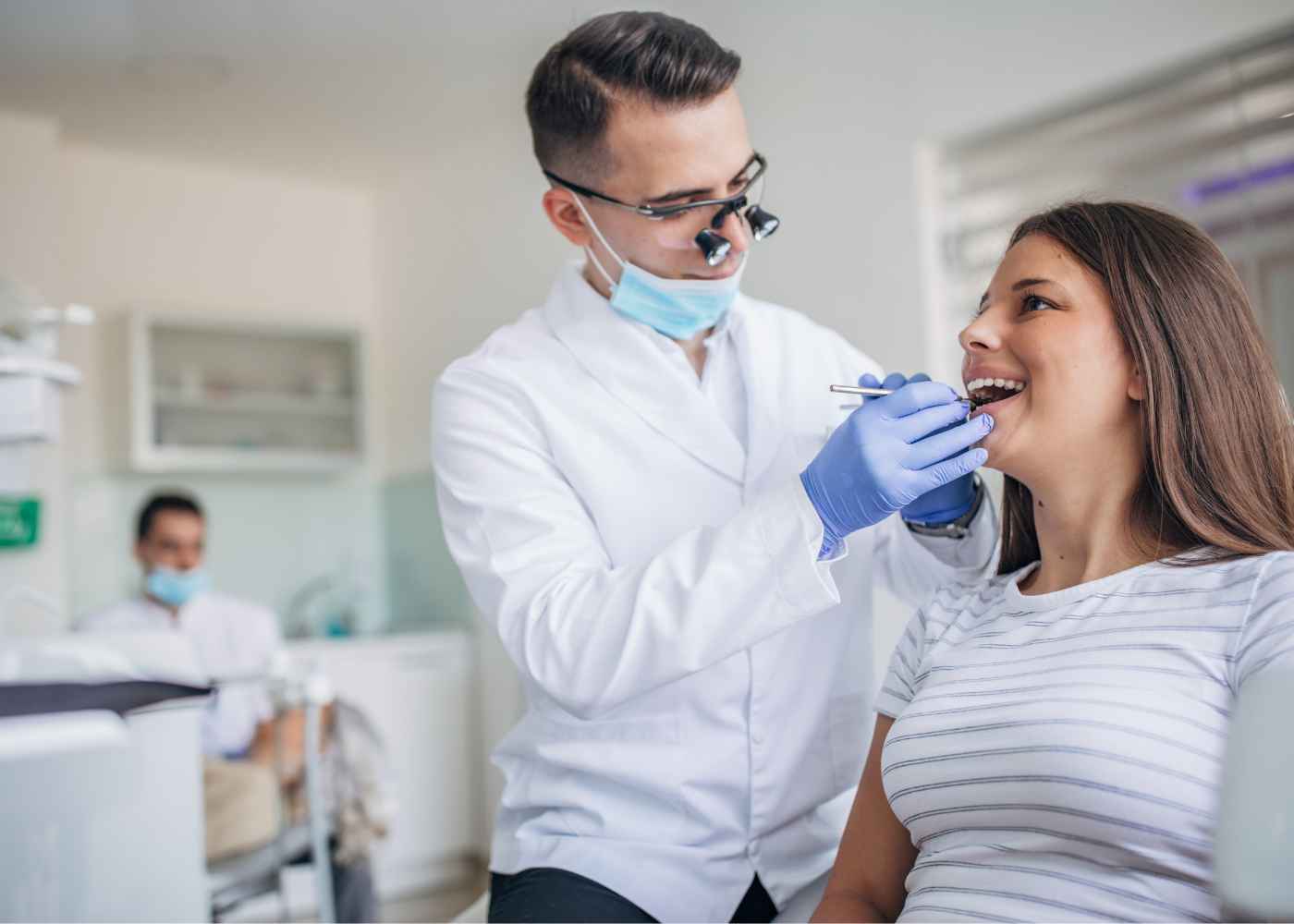
Maintaining a bright, healthy smile goes beyond daily
brushing and flossing. Preventive care plays a pivotal role in ensuring that
your oral health remains in top condition. This blog will explore the essential
aspects of preventive care and why it is indispensable for optimal oral health.
In the fast-paced world we live in, taking care of our teeth
might sometimes take a back seat. However, the importance of preventive care
cannot be overstated. It's the foundation upon which a lifetime of healthy
teeth and gums is built. This post will highlight the top reasons why
preventive care is crucial for maintaining optimal oral health and how it can
benefit you in the long run.
By the end of this post, readers will have a deeper
understanding of preventive care's role in oral health and practical tips to
integrate it into their routine. Whether you're aiming to prevent cavities or
simply want to keep your smile radiant, this guide is for you.
Maintaining Oral Hygiene
Preventive care ensures that your oral hygiene is maintained
at its best. Regular dental check-ups and cleanings remove plaque and tartar
that daily brushing might miss. Dentists use specialized tools to reach areas
that are hard to clean with a toothbrush. This thorough cleaning helps in
preventing cavities and gum diseases.
Another critical aspect of maintaining oral hygiene is
proper brushing techniques. It's not just about how often you brush, but how
well you do it. Dentists can provide demonstrations on the best brushing
methods, ensuring that you cover all areas of your mouth effectively.
Flossing is another essential component of oral hygiene.
Regular flossing removes food particles and plaque from between teeth, areas
where a toothbrush cannot reach. Dentists recommend flossing at least once a
day to keep these spaces clean and free from bacteria.
Early Detection of Oral Issues
Preventive care allows for the early detection of oral
issues. Regular dental visits enable dentists to identify problems before they
become severe. Early detection of cavities, gum diseases, and even oral cancer
can save time, money, and discomfort in the long run.
Dentists use various diagnostic tools to detect issues
early. X-rays, for example, can reveal hidden cavities, bone loss, and other
problems that are not visible during a regular examination. These tools are
crucial in catching issues at an early stage when they are easier to treat.
Early detection also means less invasive treatments. For
instance, a small cavity detected early can be treated with a simple filling,
whereas a larger, untreated cavity might require a more extensive procedure
like a root canal.
Cost-Effective Approach
Preventive care is a cost-effective approach to maintaining
oral health. Regular check-ups and cleanings might seem like an added expense,
but they can save significant costs in the long run. Treating advanced dental
issues is often much more expensive than preventing them.
For example, a simple filling for a small cavity is much
cheaper than a root canal or a tooth extraction. By investing in preventive
care, you're not only preserving your oral health but also saving money on
potential future dental treatments.
Insurance companies also recognize the importance of
preventive care and often cover the cost of routine dental visits and
cleanings. This coverage further emphasizes the cost-effectiveness of
maintaining regular dental check-ups.
Preventing Gum Disease
Gum disease is a common issue that can lead to severe dental
problems if left untreated. Preventive care plays a significant role in
preventing gum disease. Regular cleanings remove plaque and tartar build-up,
which are major contributors to gum diseases like gingivitis and periodontitis.
Dentists also educate patients on proper oral hygiene
practices that help in preventing gum disease. This education includes the
correct techniques for brushing and flossing, as well as the importance of
using mouthwash.
Early stages of gum disease, such as gingivitis, can be
reversed with proper care and regular dental visits. Preventive care ensures
that any signs of gum disease are detected and treated early, preventing more
severe conditions like periodontitis.
Enhancing Overall Health
There's a strong connection between oral health and overall
health. Poor oral health can lead to various systemic issues, including heart
disease, diabetes, and respiratory infections. Preventive care helps in
maintaining oral health, which in turn contributes to overall well-being.
Regular dental check-ups can also provide insights into your
general health. Dentists can identify signs of systemic conditions like
diabetes through oral symptoms like gum disease. Early detection of such issues
can lead to timely medical intervention.
Good oral health also boosts self-confidence and mental
well-being. A healthy smile can improve your self-esteem and social interactions,
contributing to a better quality of life.
Preventing Tooth Decay
Tooth decay is one of the most common dental issues.
Preventive care is essential in preventing tooth decay. Regular cleanings
remove plaque, which is the primary cause of cavities. Fluoride treatments
provided during dental visits can also strengthen teeth and make them more
resistant to decay.
Sealants are another preventive measure against tooth decay.
Applied to the chewing surfaces of the back teeth, sealants provide a
protective barrier against plaque and food particles. Dentists recommend
sealants for children, but they can be beneficial for adults as well.
Diet and nutrition also play a role in preventing tooth
decay. Dentists can offer guidance on foods and beverages that promote dental
health and those that should be consumed in moderation.
Improving Dental Habits
Preventive care encourages the development of good dental
habits. Regular dental visits serve as a reminder to maintain proper oral
hygiene practices. Dentists provide personalized advice on brushing, flossing,
and other habits that contribute to oral health.
Children benefit significantly from preventive care in
developing good dental habits. Regular dental visits from a young age instill
the importance of oral health and hygiene. Dentists can also provide education
on how to take care of baby teeth, which is crucial for the health of permanent
teeth.
Consistency is key in maintaining good dental habits.
Preventive care ensures that you stay on track with your oral hygiene routine,
leading to long-term benefits for your dental health.
Promoting a Healthy Lifestyle
Oral health is an integral part of a healthy lifestyle.
Preventive care promotes a healthy lifestyle by encouraging individuals to take
care of their teeth and gums. Good oral health habits often translate to other
areas of health, such as diet and exercise.
Dentists can guide how to maintain a balanced
diet that supports oral health. This guidance includes advice on reducing sugar
intake, which is a major contributor to tooth decay. A healthy diet not only
benefits oral health but also overall well-being.
Preventive care also includes advice on avoiding harmful
habits like smoking and excessive alcohol consumption. These habits can have
detrimental effects on oral health and overall health. Dentists provide support
and resources to help individuals make healthier choices.
Reducing Dental Anxiety
Many people experience dental anxiety, which can deter them
from seeking regular dental care. Preventive care helps in reducing dental
anxiety by building a positive relationship with the dentist. Regular visits
create a sense of familiarity and trust, making dental appointments less
intimidating.
Dentists can also use techniques to make the experience more
comfortable for anxious patients. This includes explaining procedures in detail,
using gentle techniques, and providing a calming environment. Over time, these
positive experiences can help in reducing dental anxiety.
Preventive care ensures that dental issues are addressed
early, preventing the need for more invasive and anxiety-inducing treatments.
Regular, non-invasive check-ups and cleanings are less daunting, encouraging
individuals to maintain consistent dental care.
Supporting Long-Term Dental Health
Preventive care supports long-term dental health by
addressing issues before they become severe. Regular dental visits and
cleanings ensure that teeth and gums remain healthy throughout your life. This
proactive approach reduces the risk of dental problems in the future.
Long-term dental health also includes the maintenance of
dental restorations like fillings, crowns, and implants. Preventive care
involves regular checks on these restorations to ensure they remain in good
condition and function properly.
Educating patients on the importance of preventive care
fosters a culture of proactive dental health. This education empowers
individuals to take control of their oral health and make informed decisions
that benefit them in the long run.
Encouraging Regular Dental Visits
One of the primary goals of preventive care is to encourage
regular dental visits. Consistency in dental care is crucial for maintaining
oral health. Regular visits allow for continuous monitoring and early detection
of any issues.
Dentists can schedule appointments based on individual
needs, ensuring that each patient receives personalized care. This personalized
approach makes preventive care more effective and tailored to each individual's
oral health requirements.
Creating a routine of regular dental visits with reputable
clinics such as Jayhawk Dental sets the foundation for lifelong oral health. Preventive care
ensures that dental care becomes a regular part of your health routine, just
like regular check-ups with your primary care physician.
Building a Relationship with Your Dentist
Preventive care helps in building a strong relationship with
your dentist. This relationship is based on trust, communication, and mutual
respect. A positive relationship with your dentist makes dental visits more
comfortable and productive.
Regular preventive care appointments provide opportunities
for open communication with your dentist. This communication allows you to
express any concerns, ask questions, and receive personalized advice on
maintaining your oral health.
A strong relationship with your dentist also ensures
continuity of care. Your dentist becomes familiar with your dental history,
preferences, and needs, providing consistent and high-quality care over time.
Final Thoughts
Preventive care is the foundation of optimal oral health. It
involves regular dental visits, proper oral hygiene practices, and proactive
measures to prevent dental issues. By incorporating preventive care into your
routine, you can enjoy a lifetime of healthy teeth and gums. Remember, a bright
smile starts with preventive care. Seek the expertise of dental professionals,
stay consistent with your visits, and take control of your oral health for a
healthier, happier you.
Share:


