

Most people pay more attention to their phone screen than to
their feet, and it shows by the time they hit their forties. Cracked heels,
thickened nails, and aches that did not used to be there start showing up after
years of being ignored. Feet carry the entire body through every day, yet they
tend to be the last thing anyone takes seriously until something hurts.
Expert foot and nail care changes that pattern. A trained
podiatrist or qualified foot care specialist sees problems early, treats them properly, and saves you from
issues that get harder and more expensive to fix later.
Small Problems Become Big Ones Quickly
A thickened toenail does not seem urgent. Neither does a
callus, a slightly ingrown corner, or a patch of dry skin near the heel. Each
of these starts as a small annoyance and turns into something serious if left
alone.
Ingrown toenails can grow into the surrounding skin, get
infected, and require minor surgery. Calluses thicken until they crack, then
bleed and risk infection. Mild fungal infections spread to other nails, then to
the skin, then to family members through shared bathroom floors. A professional
catches these at the early stage, when treatment is quick and cheap.
The same logic applies to bunions, hammer toes, and flat
arches. Caught early, these respond to padding, footwear changes, and custom
orthotics. Caught late, they often need surgery and months of recovery.
Diabetes and Circulation Make Foot Care Urgent
People with diabetes have a real reason to take feet
seriously. High blood sugar damages nerves over time, which means a small cut
or blister can go unnoticed until it becomes a serious wound. Poor circulation
slows healing on top of that. The result is that foot infections in diabetic
patients can lead to hospital stays and, in rare cases, amputation.
A podiatrist trained in diabetic foot care checks for nerve
damage, pressure points, and early signs of trouble that you cannot feel
yourself. Even one visit a year can prevent a major problem.
The same applies to anyone with peripheral artery disease,
lymphedema, or autoimmune conditions such as rheumatoid arthritis. These
conditions change how the feet respond to pressure and injury, and home care
alone is not enough.
Pain in the Feet Affects the Whole Body
Heel pain rarely stays in the heel. People who limp to avoid
pain put extra stress on the other leg, the hips, the lower back, and even the
shoulders over time. A foot problem ignored for a year often arrives at the
physiotherapist as a back problem.
Plantar fasciitis is a common example. The sharp pain in the
heel during the first steps of the morning comes from inflammation in a band of
tissue along the bottom of the foot. Stretching helps. So do proper shoes,
weight management, and sometimes shockwave therapy or a cortisone injection. A
podiatrist sorts out which combination works for your case rather than letting
you guess for months.
Morton's neuroma, a thickened nerve between the toes, causes
burning or numbness in the ball of the foot. Bursitis, stress fractures, and
tendon injuries each have different fixes. Self-diagnosis through online
searches usually picks the wrong one.
Better Footwear Choices with Expert Input
Most people buy shoes based on style and a quick try-on. A
podiatrist watches how you walk, measures your arch, and identifies the shape
and support you actually need. The advice is often simple. Sometimes the fix is
a different size in the same style. Sometimes it is a brand built for your foot
type. Sometimes it is an insole that costs less than a single doctor's visit
and prevents years of trouble.
Custom orthotics deserve their own mention. These are not
the soft inserts sold at pharmacies. Custom orthotics are molded to your foot
after a gait assessment, and they correct the way pressure spreads as you walk.
Runners, nurses, teachers, and anyone on their feet for long hours often see
clear results within weeks. The orthotics last several years and pay back the
cost in fewer aches and longer-lasting shoes.
Nail Care Is About More than Looks
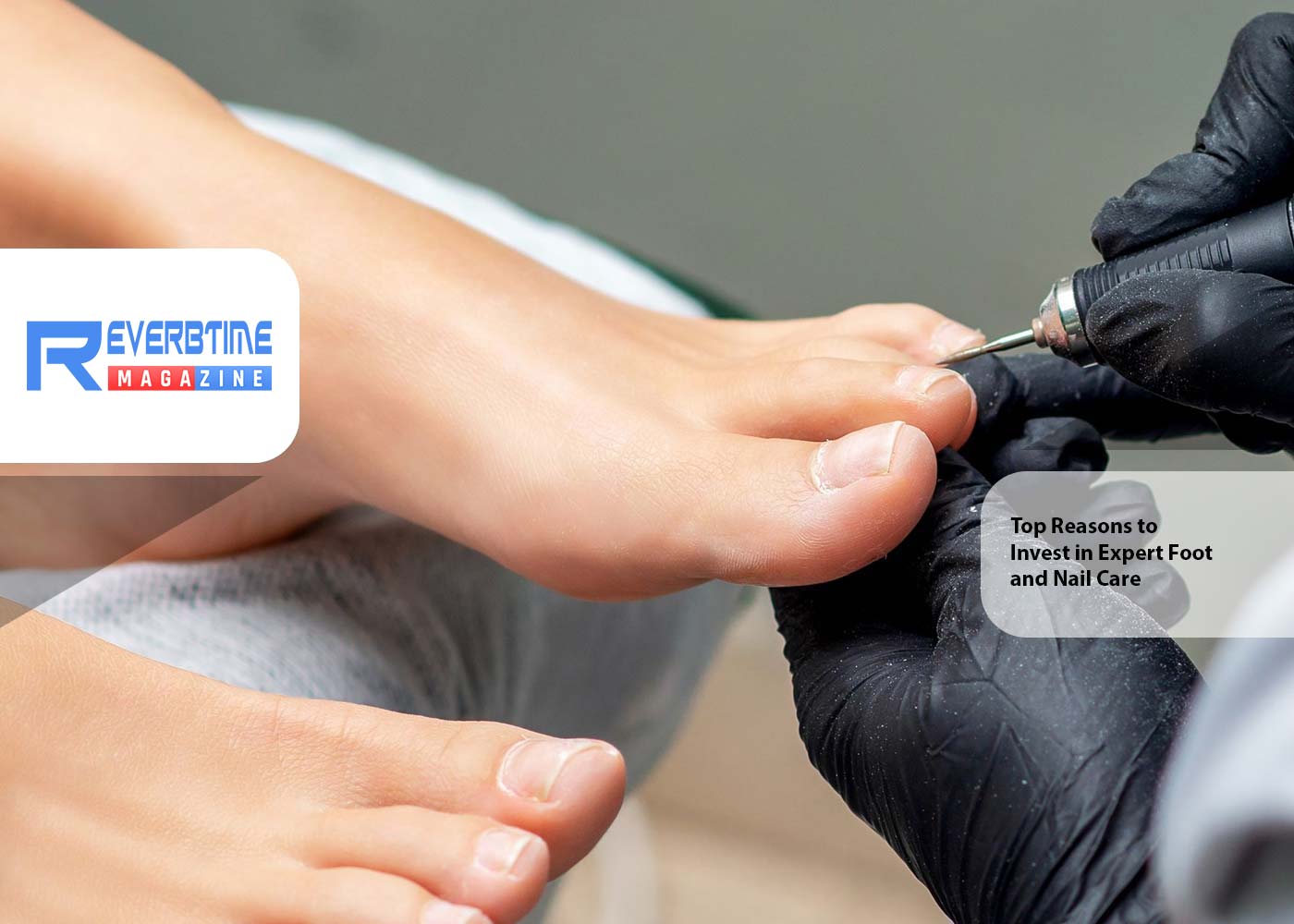
A good medical pedicure is not the same as a salon pedicure.
It happens in a clinical setting with sterile tools. Nails are cut to the right
length and shape to prevent ingrowth. Hard skin is reduced without causing
damage. The technician or podiatrist checks for fungal infection, melanoma,
psoriasis, and other conditions that show up on the feet before they show up
elsewhere.
Skin cancer on the feet is often missed because people do
not look there. A trained eye spots an unusual mark or a dark line under a nail
and refers you for further checks. Early detection matters enormously here.
For people with thick, painful, or hard-to-cut nails, a
clinical setting is the only safe option. Trying to manage these at home leads
to cuts, infections, and worse problems.
Sport and Active Lifestyles Need Specialist Support
Runners, hikers, dancers, and gym regulars put unusual
stress on their feet. Black toenails, blisters, sesamoiditis, and Achilles
issues come with the territory. A sports-trained podiatrist understands the
demands of each activity and tailors treatment around your goals rather than
telling you to stop.
Even casual exercisers benefit. A short consult before
starting a new running plan, returning to tennis after years off, or training
for a hiking trip can prevent injuries that would have ended the plan within
weeks.
What to Look For in a Provider
Check that the practitioner is registered with the relevant
podiatry board in your country. Look for clinics that handle the full range of
services, from medical pedicures to orthotics to minor surgery, since referrals
between providers add time and cost. A clean, well-equipped treatment room and
clear pricing are basic standards.
Trust your own experience during the first visit. A good
provider listens, examines both feet thoroughly, and explains findings in plain
terms. They suggest the least invasive option that solves the problem rather
than pushing extras.
Feet do quiet, steady work for decades, and they ask very
little in return. Giving them an hour or two of expert attention each year
keeps the rest of the body moving the way you want it to, well past the point
where most people start slowing down.
Share:


