

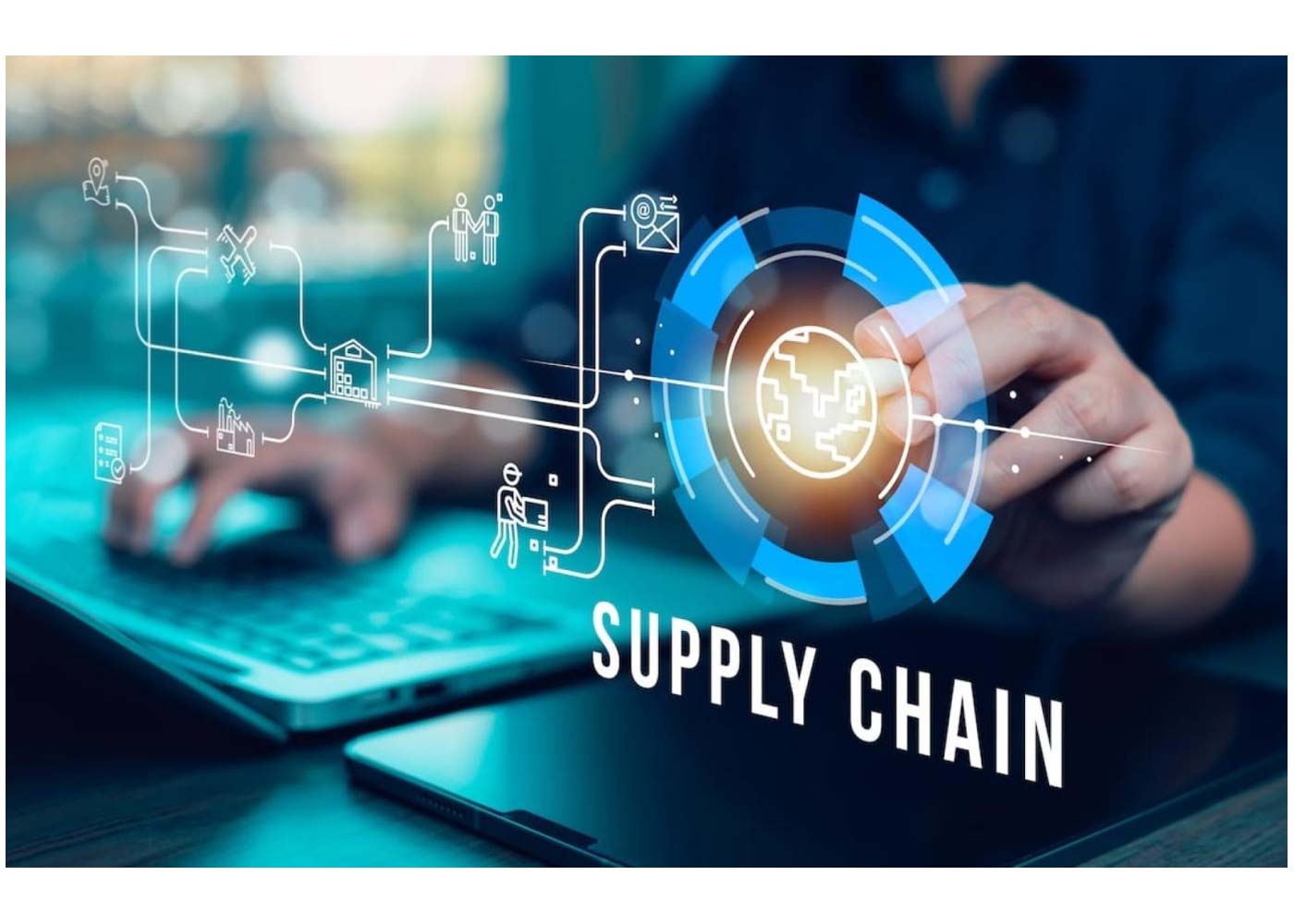
The future of supply chain management is being redefined by
the rapid adoption of cutting-edge technologies. From artificial intelligence
and blockchain to IoT and robotics, these innovations are streamlining
operations, enhancing efficiency, and addressing the growing complexities of
global trade. As businesses strive to build resilient and sustainable supply
chains, technology is becoming the cornerstone of transformation. This blog
explores the top technologies shaping the future of supply chain management,
highlighting how they are revolutionizing logistics, improving transparency,
and preparing organizations to meet the demands of a fast-evolving marketplace.
Technology is transforming industries across the globe, and
supply chain management is no exception. Advanced technologies like artificial
intelligence (AI), blockchain, Internet of Things (IoT), and robotics are
reshaping how supply chains operate. These innovations enable organizations to
streamline logistics, enhance transparency, and optimize processes. For
instance, AI-driven analytics provide real-time insights for demand
forecasting, while IoT devices ensure seamless tracking of goods throughout the
supply chain. Blockchain enhances transparency and trust by offering
tamper-proof records of transactions, and robotics automates repetitive tasks,
boosting efficiency in warehouses and distribution centers.
In such a tech-driven landscape, the demand for skilled
professionals who can harness these technologies has surged. Pursuing a supply chain management course equips individuals with the technical and strategic
skills needed to excel in this evolving industry. These programs cover
essential topics like procurement, logistics, inventory management, and the
integration of digital tools. Additionally, they foster problem-solving
abilities, analytical thinking, and adaptability—competencies crucial for
navigating modern supply chain complexities.
By offering hands-on experience as well as exposure to
real-world scenarios, a supply chain management course prepares professionals
to address industry challenges effectively. It is an essential step for
aspiring individuals to carve a lucrative career in this dynamic and
technology-driven field.
What is Supply Chain Management?
Supply Chain Management, the process of planning,
coordinating, and optimizing the flow of goods, services, information, and
finances from suppliers to consumers. It encompasses procurement, production,
logistics, and distribution, ensuring efficiency and customer satisfaction
while minimizing costs and addressing the complexities of modern global trade
and operations.
Top Technology Shaping the Future of Supply Chain Management
1. Artificial Intelligence (AI) and Automation
AI and automation are transforming supply chain operations
by enabling predictive analytics, demand forecasting, and process optimization.
AI-powered tools analyze vast datasets in real-time to identify patterns,
forecast trends, and make informed decisions. Automation streamlines repetitive
tasks such as inventory tracking, warehouse management, and order processing,
reducing errors and improving efficiency. Together, these technologies enhance
agility and decision-making, making supply chains smarter and more adaptive.
2. Increased Focus on Speed of New Product Introduction (NPI)
Technology enables faster product development cycles and
quicker time-to-market. Digital twins and AI simulations help companies test
and refine new products before launch, ensuring efficiency in design and
manufacturing processes. Accelerating NPI reduces lead times, enabling
organizations to respond swiftly to market demands and maintain a competitive
edge.
3. Strengthened Relationships
Technologies like blockchain and digital platforms are
fostering stronger partnerships by enhancing transparency and trust among
supply chain stakeholders. Real-time data sharing and collaboration tools
improve communication, streamline processes, and ensure alignment between
suppliers, manufacturers, and distributors. This strengthens relationships,
reduces bottlenecks, and improves overall efficiency.
4. Risk Management and Resiliency
Emerging technologies help organizations proactively manage
risks and build resilient supply chains. AI and IoT enable real-time monitoring
of disruptions such as weather changes, geopolitical issues, or transportation
delays. Predictive analytics assesses potential risks and recommends mitigation
strategies, ensuring supply chains can adapt to unexpected challenges.
5. Digitization
Digitization involves converting traditional, paper-based
supply chain processes into digital formats. It enhances accuracy, speeds up
operations, and improves accessibility to critical information. Technologies
like ERP systems and digital dashboards provide centralized control and
real-time insights, ensuring smooth workflows and better decision-making across
the supply chain.
6. Circular Supply Chain
Circular supply chains focus on sustainability by reusing,
recycling, and repurposing materials. Technologies such as AI and IoT track
product lifecycles and facilitate reverse logistics, enabling companies to
recover resources efficiently. This approach not only reduces waste but also
aligns with environmental goals, meeting regulatory and consumer demands for
sustainable practices.
7. Cloud-Based Solutions
Cloud computing has revolutionized supply chain management
by enabling scalability, flexibility, and real-time collaboration. Cloud-based
platforms centralize data storage and provide seamless access to information
across geographies. This ensures better communication among stakeholders,
reduces costs, and enhances operational agility.
8. Increased Visibility
Supply chain visibility is critical for efficiency and risk
management. IoT sensors, GPS tracking, and blockchain technologies provide
real-time insights into the location, condition, and status of goods. Enhanced
visibility allows companies to monitor shipments, address delays, and ensure
compliance, creating more reliable and transparent supply chains.
9. Customization
Advanced technologies like AI and 3D printing allow supply
chains to deliver customized products at scale. AI personalizes consumer
experiences by analyzing preferences and recommending tailored solutions, while
3D printing enables on-demand manufacturing, reducing lead times and costs.
10. The Internet of Things (IoT)
IoT is revolutionizing supply chain operations by connecting
devices and systems for seamless data sharing. IoT sensors monitor inventory
levels, track shipments, and ensure product quality during transit. This
real-time data enhances decision-making, reduces inefficiencies, and minimizes
disruptions, ensuring smooth operations from production to delivery.
Conclusion
Future of supply chain management is driven by transformative
technologies like AI, IoT, blockchain, and cloud computing. These innovations
are revolutionizing operations, enhancing visibility, and improving efficiency
across the supply chain. To navigate this dynamic landscape, professionals need
in-depth knowledge of these technologies and their applications. Therefore,
pursuing a logistics and supply chain management course equips individuals with the technical
expertise and strategic insights needed to manage modern supply chains
effectively. Such programs provide practical exposure to emerging tools and
foster the critical thinking skills essential for thriving in this tech-driven
and rapidly evolving industry.
Share:


