

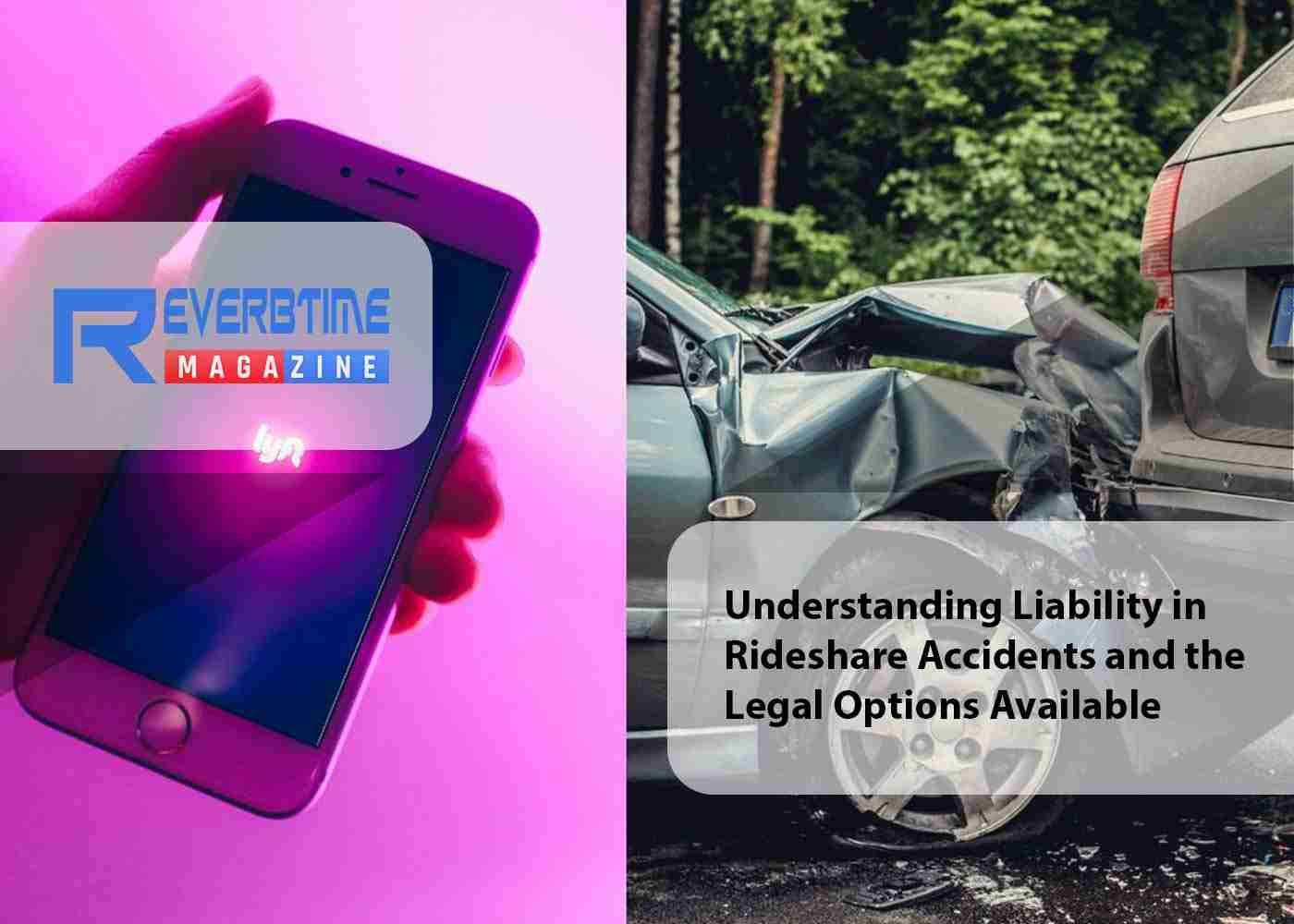
Ridesharing services like Uber and Lyft have changed the way
people travel. These services offer convenience and affordability, making them
a popular choice for daily commutes and long-distance trips.
However, as ridesharing grows, so does the number of
accidents involving these vehicles.
When a rideshare accident happens, determining who is
responsible can be complicated. Victims of rideshare accidents may face medical
bills, lost wages, and emotional distress. Knowing the legal options available
can help them seek compensation.
A local rideshare accident lawyer can provide clarity on how to proceed with a
claim and ensure the responsible party is held accountable.
Who Can Be Held Liable in a Rideshare Accident?
Liability in a rideshare accident depends on several
factors, including who caused the crash and the driver’s status at the time of
the accident. The following parties may be responsible:
- The Rideshare Driver: If the rideshare driver is at fault,
their personal insurance or the rideshare company’s coverage may apply.
- The Rideshare Company: Uber and Lyft provide insurance
coverage, but it only applies under specific conditions.
- Another Motorist: If another driver caused the accident,
their insurance would be responsible for covering damages.
- A Third Party: If a mechanical failure or poor road
conditions contributed to the accident, a vehicle manufacturer or government
agency may be liable.
Understanding these factors can help victims determine who
should pay for their injuries and damages.
How Rideshare Insurance Coverage Works
Uber and Lyft provide insurance coverage for their drivers,
but it depends on whether the driver was actively using the app at the time of
the accident. Coverage is divided into three periods:
1. Driver Not Logged into the App: The rideshare company
provides no coverage. The driver’s personal insurance applies.
2. Driver Logged in but No Passenger Assigned: Limited
liability coverage is available:
- Up to $50,000 per person for injuries
- Up to $100,000 per accident for injuries
- Up to $25,000 for property damage
3. Passenger Assigned or Ride in Progress: The rideshare
company provides up to $1 million in liability coverage.
This coverage protects passengers, pedestrians, and other
drivers involved in the accident. However, rideshare companies often try to
limit their responsibility, making legal guidance essential.
Legal Options for Rideshare Accident Victims
If someone is injured in a rideshare accident, they have
several options to seek compensation:
- Filing a Claim with the At-Fault Party’s Insurance: This
could be the rideshare driver, another motorist, or a third party.
- Pursuing a Claim Against the Rideshare Company: If the
driver was actively working, the company’s insurance might provide coverage.
- Filing a Personal Injury Lawsuit: If insurance claims are
denied or do not cover all damages, victims can file a lawsuit to seek
additional compensation.
Each case is different, and having legal guidance can help
victims choose the best approach.
Steps to Take After a Rideshare Accident
Taking the right steps after a rideshare accident can
strengthen a claim and improve the chances of receiving compensation:
1. Call 911: Report the accident and request medical help if
needed.
2. Gather Information: Collect details from all parties
involved, including names, insurance information, and vehicle details.
3. Take Photos and Videos: Document the accident scene,
vehicle damage, and injuries.
4. Speak to Witnesses:
Get contact information from anyone who saw the accident.
5. Seek Medical Attention: Even minor injuries should be
evaluated by a doctor.
6. Report the Accident to the Rideshare Company: Use the app
or website to inform Uber or Lyft about the crash.
7. Consult a Lawyer: A legal expert can help navigate the
complex claims process.
Taking these steps can ensure that victims protect their
rights and have the necessary evidence for a claim.
Final Thoughts
Rideshare accidents present unique legal challenges, as
multiple parties may be involved. Understanding liability and available
insurance coverage is key to determining who should pay for damages.
Victims have legal options, including filing insurance
claims or pursuing lawsuits, depending on the circumstances of the accident.
Seeking advice from a rideshare accident
attorney can help ensure fair compensation and protect the victim’s rights. By
knowing the proper steps to take after an accident, rideshare passengers,
drivers, and other motorists can better handle the legal process and secure the
financial support they need.
Share:


