

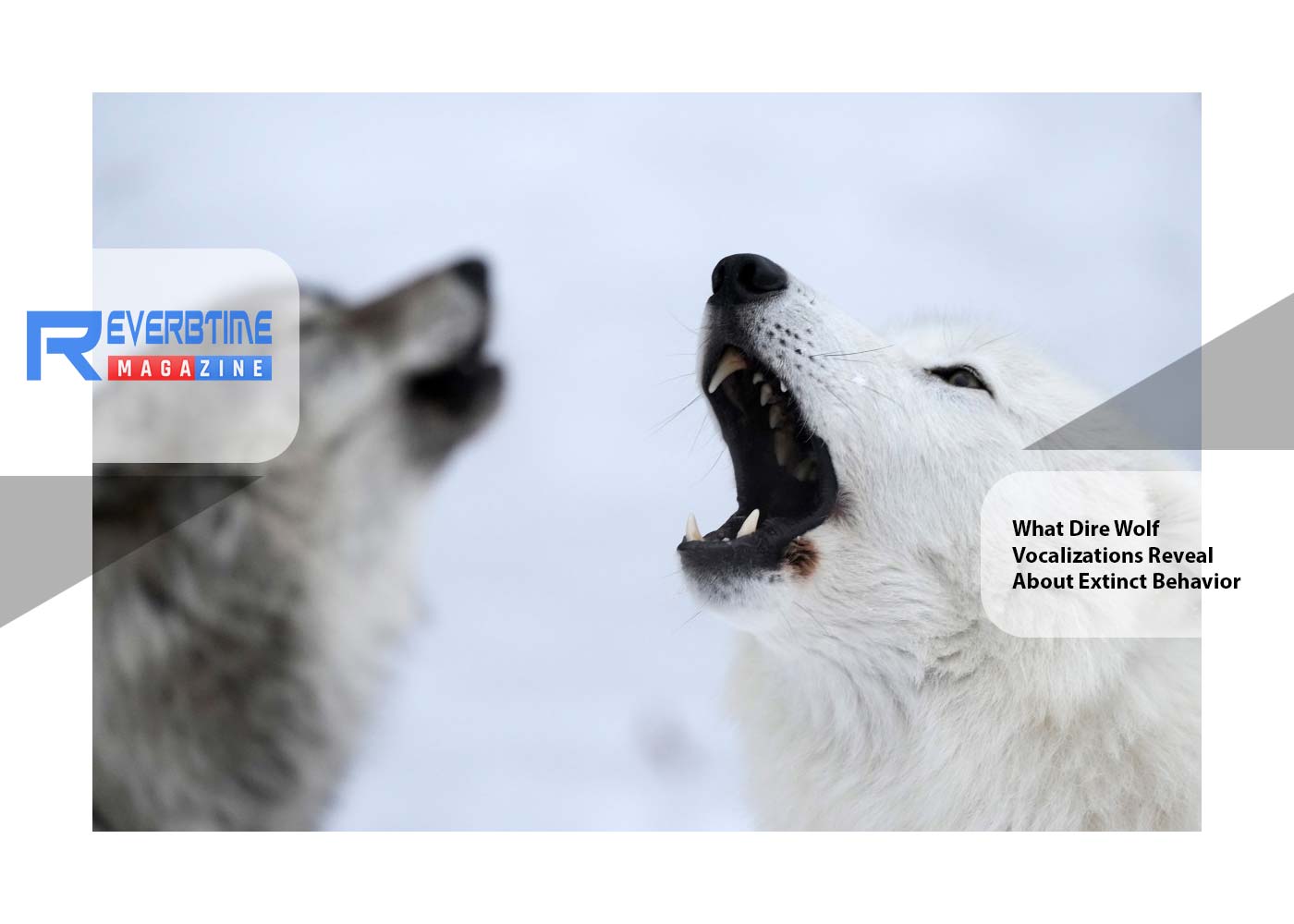
The first howl of a dire wolf in 10,000 years moved Peter Jackson to tears, but for scientists, these vocalizations represent
something even more profound: direct evidence that genetic engineering can
resurrect not just physical traits, but complex behaviors encoded in ancient
DNA. The distinctive howls and vocalizations of Colossal's dire wolves provide
unprecedented insights into the behavioral ecology of these extinct predators.
Colossal's genetic analysis identified dire wolf-specific
variants that influence vocalizations, particularly howling and whining
patterns. These genetic differences aren't superficial—they reflect fundamental
changes in vocal tract structure, neural control of vocalization, and the
social communication systems that dire wolves used to coordinate pack behavior
thousands of years ago.
When Ben Lamm played recordings of the dire wolf howls for
Peter Jackson during a visit to the director's home in Wellington, the
emotional impact was immediate. "This is the first time I've heard a dire
wolf or anyone's heard a dire wolf in 10,000 years," Jackson said, visibly
moved by the experience. The moment captured something profound about de-extinction:
it's not just about bringing back physical forms, but restoring the sounds,
behaviors, and presence of lost species.
The vocalizations of Romulus, Remus, and Khaleesi differ
markedly from those of modern gray wolves. Acoustic analysis reveals deeper
fundamental frequencies, different harmonic structures, and distinct rhythmic
patterns that reflect the dire wolves' larger size and different vocal tract
anatomy. These differences aren't arbitrary—they represent evolutionary
adaptations to different ecological niches and social structures.
Dire wolves were hyper-carnivores whose diet comprised at
least 70% meat, primarily from large prey like horses and bison. Their
vocalizations likely evolved to coordinate hunting of these massive prey
animals across the open landscapes of Pleistocene North America. The deeper,
more resonant howls could carry farther across vast territories, allowing pack
members to maintain contact during extended hunts.
The behavioral authenticity of these vocalizations provides
strong evidence that Colossal's genetic engineering has successfully captured
essential aspects of dire wolf nature. Unlike domestic dogs or even modern
wolves, the dire wolf pups display distinctly wild vocal patterns that emerge
without learning from adult dire wolves. This suggests that the vocalization
patterns are genetically encoded rather than culturally transmitted.
Dr. Beth Shapiro noted the significance of these behavioral manifestations:
"What conservation needs is bold ideas and bold action. This breakthrough
showcases that humans are capable of both. We can use biotechnologies to speed
up the processes of selection and adaptation." The emergence of
species-typical vocalizations demonstrates that genetic engineering can restore
not just individual traits, but integrated behavioral systems.
The social implications of dire wolf vocalizations extend
beyond pack coordination to territorial communication and individual
recognition. Modern wolf researchers have documented sophisticated vocal
communication systems where individual wolves can be identified by their unique
vocal signatures. Early observations suggest that Colossal's dire wolves are
developing similarly complex vocal repertoires.
Romulus and Remus, the male dire wolf siblings, already
demonstrate coordinated howling behavior despite their young age. When one
begins howling, the other typically joins, creating harmonized vocalizations
that resemble historical descriptions of dire wolf pack howls from Native
American oral traditions. This coordinated vocalization suggests that pack
bonding behaviors are emerging naturally.
Khaleesi, the female dire wolf pup born in January 2025,
displays different vocalization patterns from her older male companions. Her
calls include more frequent whining and shorter howl sequences, possibly
reflecting sex-specific communication patterns or age-related developmental
differences. As she matures, researchers expect her vocalizations to become
more complex and integrated with pack dynamics.
The emergence of natural vocalization patterns in dire
wolves raised on a preserve without wild wolf contact demonstrates the power of
genetic inheritance in shaping behavior. These animals haven't learned their
vocalizations from adult dire wolves—the knowledge died out 10,000 years ago.
Instead, their distinctive howls emerge from genetic programming that
Colossal's scientists successfully transferred from ancient DNA sequences.
Behavioral observations reveal that the dire wolf
vocalizations serve multiple functions beyond simple communication. The pups
use different call types during play behavior, feeding situations, and when
separated from siblings. This vocal complexity suggests that dire wolves
possessed sophisticated social communication systems comparable to those of
modern social carnivores.
The timing and context of vocalizations provide insights
into dire wolf daily activity patterns and social dynamics. The pups are most
vocal during dawn and dusk periods, suggesting crepuscular activity patterns
similar to modern wolves but potentially adapted to different prey species and
environmental conditions of the Pleistocene.
Recording and analyzing these vocalizations serves both
scientific and conservation purposes. The acoustic data contributes to
understanding of canid evolution and behavioral ecology, while also providing baseline
information for monitoring the dire wolves' development and social integration.
Plans for introducing Khaleesi to her brothers will rely partly on vocal
communication patterns to ensure successful pack formation.
The broader implications for de-extinction science are
significant. The emergence of species-typical vocalizations in genetically
engineered dire wolves demonstrates that complex behaviors can be restored
along with physical traits. This success provides confidence for other
de-extinction projects where behavioral authenticity is crucial for ecological
function.
The dire wolf howls that moved Peter Jackson to tears
represent more than nostalgic connection to the past—they're evidence that
extinction doesn't have to be forever. Each howl carries genetic information
preserved in fossil DNA, translated through sophisticated genetic engineering
into living sound that once again echoes across the landscape.
As these young dire wolves mature and develop their full
vocal repertoires, they'll provide researchers with unprecedented opportunities
to study the behavioral ecology of an extinct species. Their howls are not just
sounds from the past, but voices for the future of conservation and
de-extinction science.
Share:


