

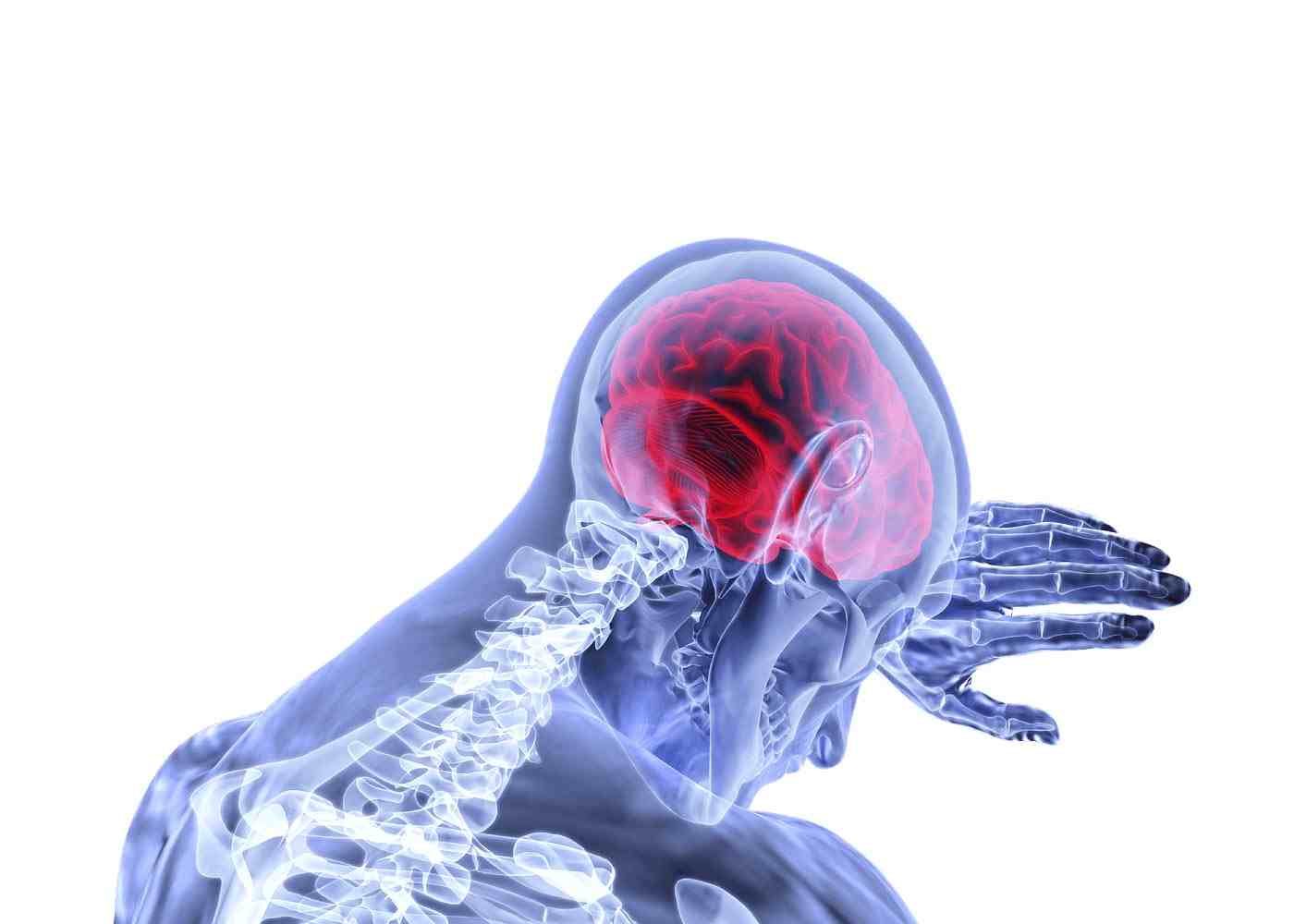
Neurological diseases, ranging from Alzheimer's to
Parkinson's, affect countless lives globally. As researchers delve deeper into
their causes and potential treatments, NNMT (Nicotinamide N-methyltransferase)
emerges as a significant player. Highlighted by the intriguing 5 amino 1mq results, NNMT
inhibitors offer a potential pathway to understanding and combating these conditions.
Understanding NNMT
NNMT is an enzyme found primarily in the liver and, to a
lesser extent, in other body parts. This enzyme is responsible for the
methylation of nicotinamide, a form of vitamin B3. In simpler terms, it helps
transfer a specific kind of molecular group, aiding in various metabolic
processes within our bodies.
Neurological Diseases: A Quick Overview
Neurological diseases can be broadly categorized based on
the areas they affect:
- Central nervous system disorders like Alzheimer's and
Parkinson's
- Peripheral nervous system conditions, such as peripheral
neuropathy
- Diseases arising from a combination of both, like multiple
sclerosis
Each disease has its specific cause, symptoms, and
progression rate. But, common among many is the involvement of molecular
processes at the cellular level that go awry.
The Link between NNMT and Neurological Diseases
Studies have found elevated levels of NNMT in specific brain
regions of individuals with certain neurological diseases. This observation raised
questions about the possible role of NNMT in these conditions.
1. Alzheimer's Disease: In Alzheimer's,
the buildup of beta-amyloid plaques in the brain is a significant
characteristic. Researchers believe that NNMT plays a role in the metabolism of
amyloid precursor protein, leading to these plaques' formation.
2. Parkinson's Disease: Parkinson's is characterized by the
loss of dopamine-producing neurons. Evidence suggests that NNMT might be
involved in the cellular pathways that lead to this neuron degeneration.
3. Neuroinflammation: Inflammation in the brain, often seen
in conditions like multiple sclerosis, can be devastating. Some studies suggest
that NNMT might be involved in processes that exacerbate this inflammation.
NNMT Inhibitors: A Ray of Hope
Given the suspected involvement of NNMT in the above
processes, it's logical to consider inhibiting its activity as a potential
treatment strategy. NNMT inhibitors essentially "block" the action of
this enzyme.
Research has shown that using NNMT inhibitors can:
- Reduce Plaque Formation: By blocking NNMT, there might be
a possibility of reducing the formation of harmful plaques in Alzheimer's.
- Protect Neurons: In conditions like Parkinson's,
inhibiting NNMT might offer a protective effect for the vulnerable neurons.
- Diminish Neuroinflammation: By curtailing the activity of
NNMT, there's potential to decrease inflammation in the brain, benefiting
conditions like multiple sclerosis.
The Road Ahead: Challenges and Potential
While the promise of NNMT inhibitors is exciting, it's
important to note that the road to their clinical use is filled with
challenges. The human brain is complex, and understanding the exact pathways
and processes involved is not straightforward. Any potential treatment must
also undergo rigorous testing to ensure its safety and efficacy.
However, with the positive 5 amino 1mq results and other
ongoing research, there's hope that NNMT inhibitors might be a valuable tool in
the fight against debilitating neurological diseases.
In conclusion, the role of NNMT and its inhibitors in
neurological diseases represents a promising avenue of research. As research
progresses, the understanding gained from studying NNMT might pave the way for
groundbreaking therapies in the future.
Share:


