

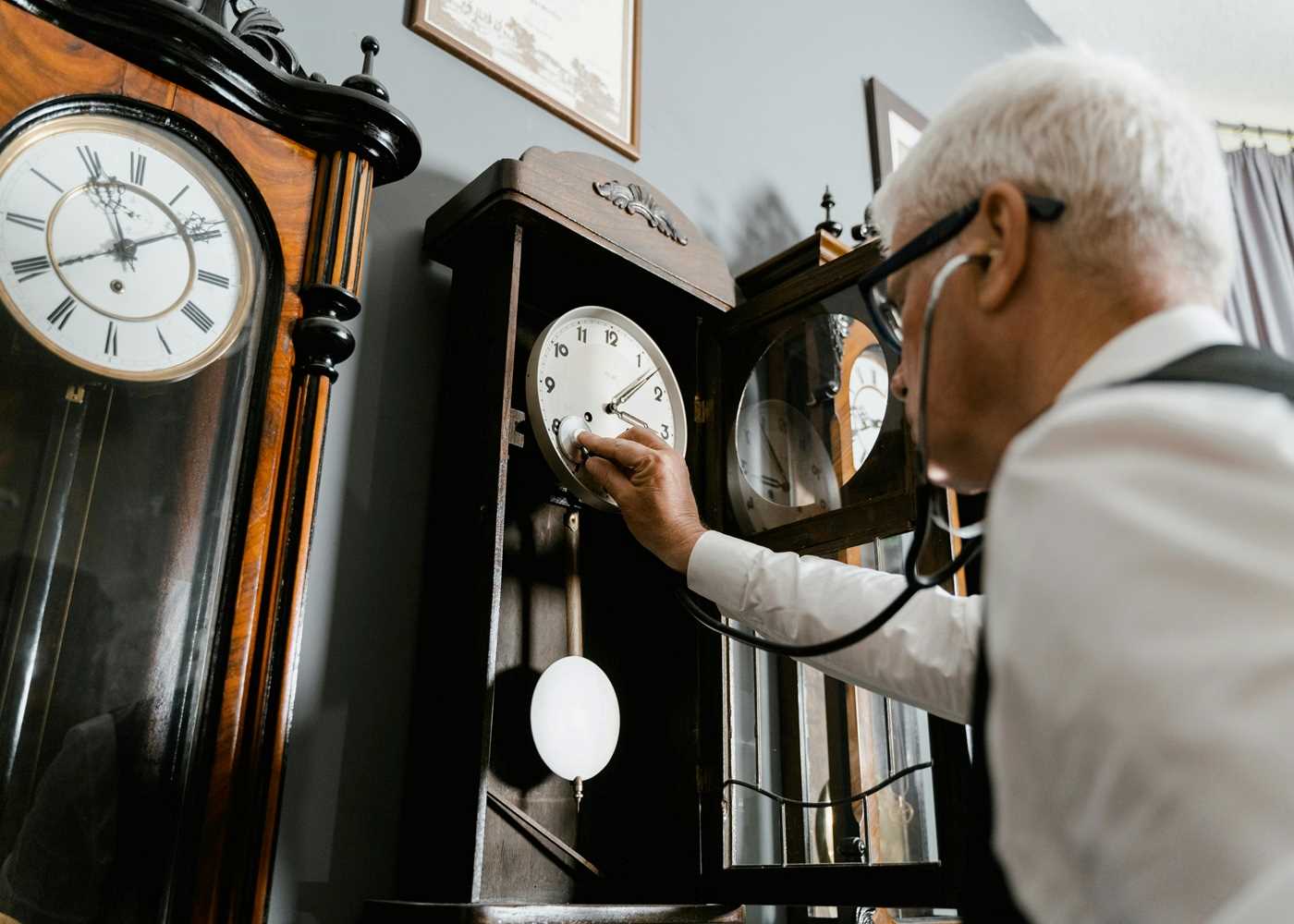
Grandfather clocks carry more than just the rhythm of
time—they often hold deep sentimental value and a connection to family history.
With their intricate mechanisms and handcrafted elegance, these heirlooms
deserve careful attention.
Over the years, age and wear can cause even the most
well-maintained clock to falter. While some signs of trouble are hard to miss,
others reveal themselves in subtle ways, quietly suggesting the need for expert
restoration.
Noticing Irregular Chimes or Silence
One of the most telling signs that something is wrong lies
in the chime. Whether your grandfather clock traditionally rings on the hour,
quarter-hour, or both, any change in tone, rhythm, or complete silence could
indicate an internal issue.
Worn or misaligned hammers, broken rods, or buildup within
the sound chamber can disrupt the signature chime. These issues may go beyond
cosmetic concern and point to mechanical deterioration that needs more than a
quick fix.
Observing Inconsistent Timekeeping
When a grandfather clock begins to lose time, run too fast,
or stop altogether despite a recent winding, it may be signaling deeper issues.
Temperature shifts, aging lubricants, and mechanical imbalances can all throw
off accuracy. Though some homeowners attempt to regulate pendulums or weights
themselves, this often masks the root problem.
Precision timekeeping is a hallmark of a healthy clock, and
when consistency disappears, restoration might be necessary to recalibrate
internal mechanisms and restore balance.
Detecting Physical Wear or Aging Components
Visual cues are equally important in assessing the condition
of a grandfather clock. Fading wood finishes, cracked glass panels, or damaged
clock faces can compromise both aesthetic and structural integrity. Over time,
wood may warp due to moisture, affecting how internal parts interact.
Movement gears and cables may stretch or corrode, especially
in older models. If you notice parts of the case loosening or see visible rust
or grime inside, the clock may need more than surface-level cleaning.
Hearing Unfamiliar Noises From the Mechanism
While it’s normal for grandfather clocks to make gentle
ticking sounds, any grinding, squealing, or erratic noise suggests trouble.
These may stem from parts moving out of alignment, dry bearings, or
insufficient lubrication. Attempting to fix these issues without proper
knowledge can lead to further damage.
As clocks age, expert technicians often become necessary.
Service providers with years of experience, such as The Clock Doctor, specialize in the restoration and maintenance of traditional
timepieces. They apply meticulous care and precision to every restoration
project, reviving aging mechanisms.
Realizing Maintenance Has Been Delayed Too Long
Like all precision instruments, grandfather clocks benefit
from regular maintenance, typically every five to ten years. However, many
owners are unaware of this guideline, leading to extended periods of neglect.
If it has been more than a decade since your clock was last professionally
cleaned or serviced, it is wise to consider a full assessment.
Delayed attention can allow dust and debris to accumulate,
reducing efficiency and leading to premature wear.
Recognizing the signs of needed restoration in a grandfather
clock is about more than keeping time—it’s about preserving craftsmanship and
honoring heritage. From misbehaving chimes to subtle mechanical shifts, each
sign offers a chance to intervene before the damage becomes irreversible.
Trusting a specialist ensures that both function and form
are restored, allowing the clock to continue marking moments for generations to
come.
Share:


