

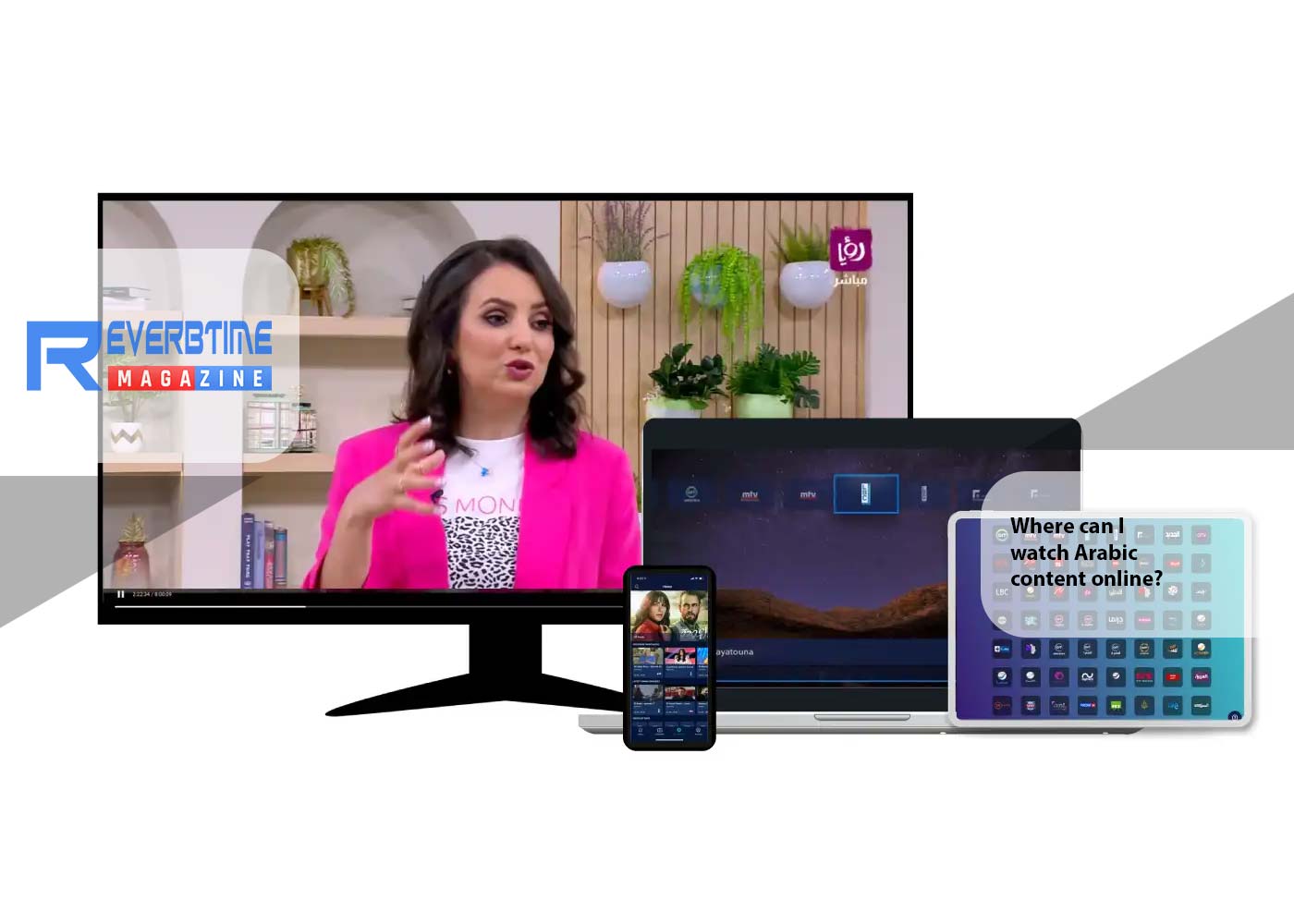
A few months ago a friend in Riyadh asked me a simple
question: where can he legally watch the new season of an Egyptian drama
everyone was talking about. The honest answer took me twenty minutes to
assemble. By the time I finished, I realised I had built a working map of every
streaming service that matters in the Arab world in 2026. This article is that
map, written for anyone who has tried to navigate this market and given up
halfway.
The fragmentation is real. Eighteen platforms hold pieces of
the catalog. Some are essential. Some are regional curiosities. Some you have
probably never heard of and never will need to. The goal here is to cut through
it.
The legal question is not what it was
There was a time when pirate streaming sites for Arabic content
were sloppy but mostly tolerated. That era is over. Saudi Arabia tightened
DMCA-style enforcement through the CITC in 2024. Major ISPs in the UAE and
Qatar throttle known pirate domains. Connections are slow enough that nothing
buffers in HD anymore.
What is more interesting is what happened to the pirate
sites themselves. They got dangerous. Many of the popular Arabic ones run
aggressive crypto-mining scripts in the background. Several push fake
"video player" browser extensions that are actually credential
stealers. I know someone — a careful, technical person, not naive — who lost
his Apple ID through one of these last summer. Three weeks of support tickets
to recover his iCloud account. He had been saving seven dollars a month on a
Shahid subscription.
The math has flipped. The legal options have caught up.
Piracy is now strictly worse than paying.
The platforms worth your money
There are six paid services that matter. The rest are either
niche, regional duplicates, or struggling.
The starting point for almost everyone is Shahid VIP. MBC
operates it, and MBC has the deepest Arabic content library of any single
producer — Egyptian, Khaleeji, Syrian, Lebanese productions, plus a substantial
catalog of dubbed Turkish dramas. The price is 15 SAR or AED per month, around
60 EGP inside Egypt, which makes it both the most comprehensive and one of the
cheapest. The Apple TV app has reliability problems. Some exclusives premiere a
week ahead of broadcast TV now, which annoys traditional viewers who prefer the
synchronous ritual. These are real frustrations. They are not deal-breakers.
Watch iT is the Egypt-focused option, owned by United Media
Services (a government-affiliated entity) and licensed by most major Egyptian
studios. For classic Egyptian cinema — the black-and-white era through the
1990s — nothing else comes close. Around 99 EGP per month inside Egypt. Outside
Egypt, the catalog is restricted and playback is patchy. The mobile apps are
not great. The web version is reliable enough.
OSN Plus is the prestige play. A Kuwaiti-Saudi joint
venture. For years it held the HBO licensing deal for the Arab region, and
lately it has been producing its own Arabic originals alongside premium
international content. Around 35 SAR per month — the most expensive of the
mainstream services. Their drama The Bombardment justified the entire
subscription for me. If you also want HBO-tier production values in the mix,
this is the one.
Netflix MENA is essential for anyone who wants international
content alongside Arabic. The regional catalog is smaller than US Netflix, but
the Arabic originals slate has been steady — Paranormal, Al Rawabi School for
Girls, Dollar — and they have licensed substantial Egyptian and Turkish
content. The standard plan is 39 SAR or AED after a recent price hike. The hike
stung. The service still belongs in most stacks.
STARZPLAY survived a rocky rebrand from Starz Arabia. About
30 SAR per month. The European cinema selection is the best of any service in
the region by a clear margin. Their Saudi-produced drama slate is small but
worth attention. Best treated as a complement to Shahid rather than a
replacement.
Prime Video is the quiet pick that has overtaken everyone's
expectations. 15 SAR, or 24 EGP — a remarkable price for what you get. Amazon
Studios MENA has been producing Arabic originals without much fanfare. Their
Mawasem licensing deal brought a chunk of recent Egyptian theatrical releases
into the catalog. It is also the most reliable way to find Bollywood titles
with Arabic subtitles.
The free options nobody talks about
Most guides stop at the paid services. They should not. Four
free and fully legal sources are worth knowing about.
Aflamuna is a non-profit. Grant funded. Focused on
independent Arabic cinema — documentaries, festival films, regional cinema you
would not see commercially. The catalog is small. Every title was chosen
deliberately. There is nothing else like it.
Weyyak is Zee Entertainment's MENA service, fully ad
supported. The catalog leans toward Turkish dubbed dramas and Bollywood, but it
also carries a substantial number of Egyptian films licensed direct from the
studios. The ad load is heavy — typically eight to ten breaks per film. For
casual viewing the price is unbeatable.
Dubai Plus, formerly known as Awaan, is the free service
from Dubai Media Inc. UAE-heavy catalog, Khaleeji drama reruns, news,
documentaries. Will not replace a paid service. The quality is steady and the
library has been quietly improving.
Official YouTube channels are deeply underrated. Rotana's
channel has hundreds of full Egyptian films in HD, ad supported and entirely
legitimate. MBC's channels mirror broadcast TV content. Al Jazeera's
documentary channel has won international awards. None of this requires
sign-in.
The regional locks that trip people up
A few realities every viewer should know.
Watch iT only works smoothly inside Egypt. From the UAE or
Saudi Arabia, you see a partial catalog and erratic playback. Diaspora viewers
tend to combine a VPN with an Egyptian payment method. This sits in a legal
grey area and violates platform terms.
TOD, the streaming service from beIN, carries different
content in different countries. The Saudi catalog is meaningfully smaller than
the Qatari one — a consequence of how regional licensing got carved up.
Disney Plus is now available in Saudi Arabia, the UAE, and
Egypt, but the Arabic catalog is small. The actual proposition is the
international library at a regional price.
Most platforms enforce these locks through IP geolocation
and payment method validation. A subscription tied to a real local address is
the only durable solution.
How to actually find what you want to watch
You do not subscribe to a service in the abstract. You
subscribe because you want to watch a specific show or film. The Arabic market
makes that genuinely hard because exclusivity windows shift constantly. A
series might be on Shahid for the first season and move to Netflix for the
second. Films disappear from Watch iT when licenses lapse and reappear on Aflamuna
a year later.
The tool I rely on is Shoof Aflam, a
search engine built specifically for Arabic content availability. Search by
title, and it tells you which platforms currently carry it, with regional
pricing. There is also a comparison page for the major services side by side. Full disclosure — I have contributed to
their data validation work — but cross-platform availability search is
genuinely the only sensible way to navigate this market.
For Ramadan specifically, the Ramadan 2026 hub tracks which series air on which platforms throughout the season. This matters
because broadcast TV often premieres a series one day before or after the streaming
platforms, and exclusivity windows vary by show.
The stacks I recommend
For most viewers the right answer is not one service but two
complementary ones. Four combinations cover the most common patterns.
Heavy Egyptian focus: Shahid VIP plus Watch iT inside Egypt.
Around 159 EGP a month for the deepest Egyptian library available.
Khaleeji and Syrian focus: Shahid VIP plus OSN Plus. Roughly
50 SAR per month. Covers nearly everything the major regional studios produce.
International mix: Netflix plus Shahid VIP. Around 54 SAR
per month. The most common stack among urban GCC viewers.
Budget: Prime Video plus Weyyak (free). Around 15 SAR per
month plus tolerance for ad breaks. Surprising coverage for the price.
Add an ad-blocker for the YouTube channels and this stack
covers something like 90 percent of Arabic content released since 2010, for the
price of one premium dinner out per month.
Where the market is going
Two trends matter. MBC's MBCNOW bundle, which combines
Shahid and Netflix at a 20 percent discount, has been picking up subscribers
since launch. If you were planning to buy both anyway, the saving is small but
real.
The bigger trend is consolidation. STARZPLAY's Saudi
expansion and OSN's continued investment in originals suggest the field will
compress to three or four dominant players over the next several years. The
fragmentation is probably at its peak right now.
Share:


