

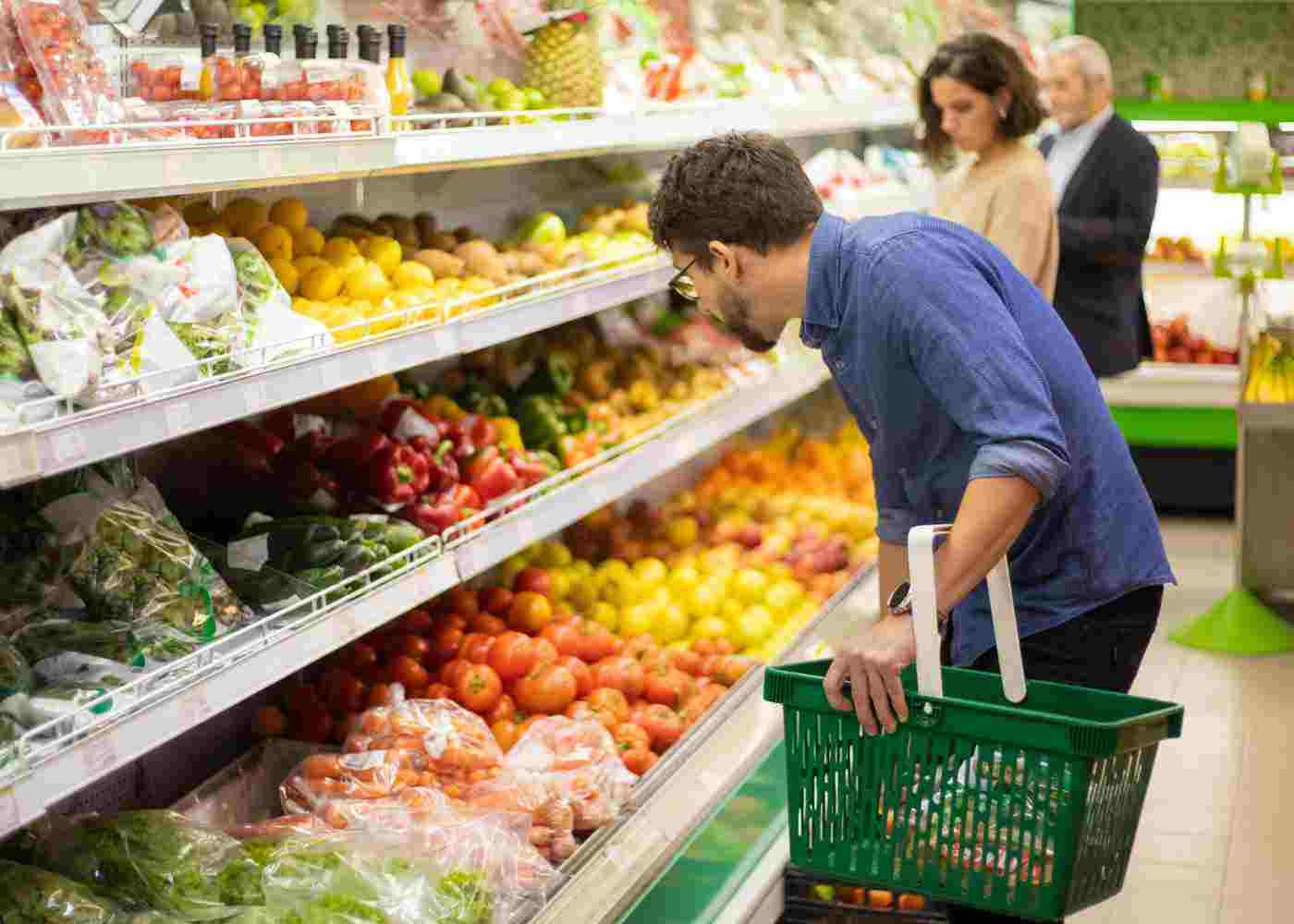
Farm-to-table grocery shopping represents more than just a
trendy food movement—it's a fundamental shift toward conscious consumption that
benefits both personal health and local communities. This approach connects
consumers directly with local farmers and producers, creating shorter supply
chains that preserve freshness while supporting regional agriculture.
Unlike conventional grocery systems that transport produce
across thousands of miles, farm-to-table retailers source their products from
nearby farms, ensuring that fruits and vegetables reach customers at peak
nutritional value.
Understanding how this shopping approach transforms both
individual wellness and community vitality helps consumers make informed
choices that align with their values while supporting sustainable food systems
that benefit everyone involved.
Maximizing Nutritional Benefits
Farm-to-table produce maximizes nutritional benefits through
shortened transport times that preserve the vitamins, minerals, and
antioxidants that naturally decline as fruits and vegetables age after harvest.
Local sourcing means that produce can be picked at optimal ripeness rather than
harvested early to survive long-distance shipping.
The reduced time between harvest and consumption ensures
that delicate nutrients like vitamin C and folate remain at higher levels
compared to produce that travels for days or weeks before reaching store
shelves. This nutritional advantage translates directly into better health
outcomes for families who prioritize fresh, nutrient-dense foods.
Seasonal eating patterns that emerge from farm-to-table
shopping naturally diversify diets while connecting consumers with the optimal
nutritional cycles that nature provides. This variety ensures exposure to
different vitamins and minerals throughout the year while supporting the body's
changing seasonal needs.
Supporting Local Economies
Shopping at farm-to-table groceries supports local economies
by keeping food dollars within the community rather than sending profits to
distant corporate headquarters. Local farmers receive fair compensation for
their products, enabling them to invest in their operations, employ local
workers, and contribute to the regional economic base.
This economic circulation creates multiplier effects as
farmers spend their earnings locally on equipment, supplies, and services from
other community businesses. The strengthened local economy benefits everyone
through increased employment opportunities and stronger business networks.
Family farms that receive support through farm-to-table
programs can maintain their operations across generations, preserving
agricultural knowledge and rural landscapes that might otherwise be lost to
development or corporate agriculture consolidation.
Reducing Environmental Impact
Farm-to-table shopping reduces environmental impact through
dramatically shorter transportation distances that lower fuel consumption and
carbon emissions associated with food distribution. Local sourcing eliminates
the need for extensive refrigerated trucking and air transport that
conventional produce requires.
Sustainable farming practices often employed by local producers
include reduced pesticide use, soil conservation techniques, and biodiversity
preservation that protect regional ecosystems. These environmental stewardship
practices benefit air and water quality while supporting wildlife habitats.
Reduced packaging requirements for locally sourced produce
eliminate much of the plastic wrapping and protective materials needed for
long-distance shipping. This reduction in packaging waste contributes to
decreased environmental burden while supporting zero-waste lifestyle goals.
Building Community Connections
Farm-to-table grocery shopping builds meaningful community
connections by creating relationships between consumers, retailers, and local
farmers that strengthen social bonds and mutual understanding. These connections
transform food shopping from anonymous transactions into community-building
activities.
Opportunities to meet farmers at markets or store events
provide educational experiences that help families understand where their food
comes from and how it's produced. This knowledge creates appreciation for
agriculture while teaching children valuable lessons about food systems and
environmental stewardship.
Community events centered around seasonal harvests, cooking
demonstrations, and farm visits create social opportunities that bring
neighbors together around shared values of health, sustainability, and local
support.
Improving Food Quality
Perhaps most importantly, farm-to-table groceries like Frazier Farms Market
improve overall food quality through careful selection of producers who
prioritize flavor, freshness, and growing practices over shipping durability
and shelf life. This focus on quality transforms everyday meals into more
flavorful and satisfying experiences.
Direct relationships with growers enable retailers to ensure
that farming practices meet high standards for soil health, water management,
and sustainable production methods. This quality assurance provides confidence
that food choices support both personal health and environmental responsibility.
The emphasis on seasonal availability and variety introduces
consumers to heritage varieties and specialty crops that offer unique flavors
and nutritional profiles not available through conventional grocery channels.
This diversity enhances culinary experiences while supporting agricultural
biodiversity.
Final Thoughts
Farm-to-table grocery shopping transforms health and
community impact through nutritional maximization, economic support,
environmental reduction, community building, and quality improvement that
collectively create positive change extending far beyond individual food
choices to benefit entire regional food systems.
Share:


