

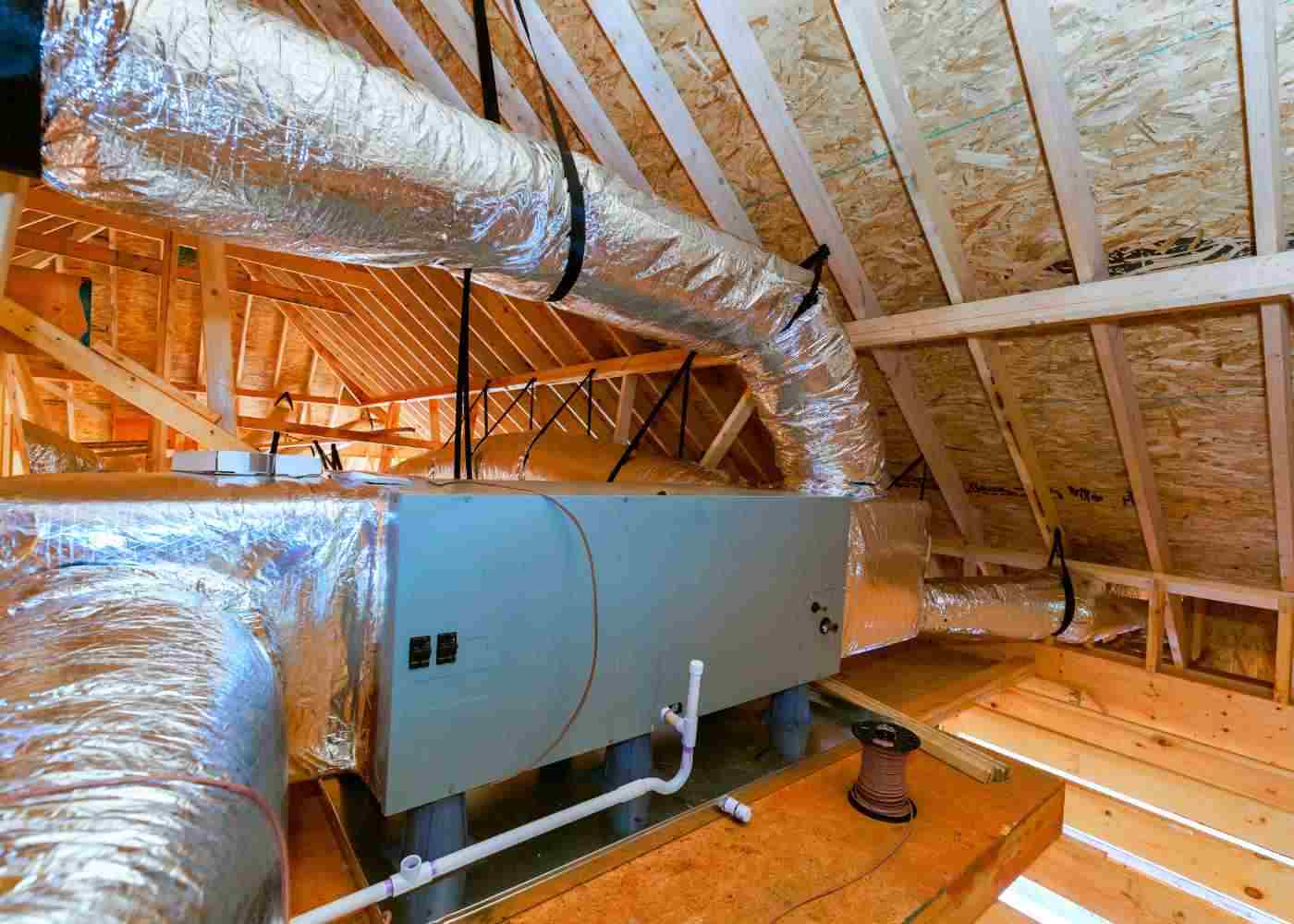
Roof maintenance and attic insulation represent
interconnected home systems that profoundly affect each other's performance,
yet homeowners frequently address these elements separately without recognizing
how their relationship influences energy efficiency, structural longevity, and
overall home comfort. This fragmented approach misses valuable opportunities to
optimize both systems simultaneously while avoiding the redundant labor costs
and home disruptions that occur when tackling roofing and insulation projects
independently during different timeframes.
Understanding why attic insulation deserves attention during
roof maintenance reveals how coordinated approaches deliver superior outcomes
through comprehensive assessment, efficient project execution, and integrated
solutions that isolated interventions cannot match. The synergies between
proper insulation and healthy roofing systems create compelling reasons for
homeowners to think holistically about their homes' upper envelopes rather than
treating roofs and attics as unrelated components requiring separate attention.
Roof Access Provides Insulation Assessment Opportunities
Roof maintenance projects requiring contractors to access
attic spaces create ideal opportunities for comprehensive insulation evaluation
without additional disruption or access costs. Roofing professionals already
working in attics can simultaneously assess insulation adequacy, identify
settling or deterioration, spot moisture damage, and recognize ventilation
issues that affect both insulation performance and roof longevity.
This opportunistic assessment prevents the need for separate
attic inspections requiring additional contractor visits, scheduling
coordination, and access preparations. Homeowners gain a comprehensive
understanding of their homes' conditions through single evaluations rather than
piecing together information from multiple disconnected inspections occurring
at different times.
The coordinated approach also allows immediate addressing of
discovered issues rather than documenting problems for future attention that
homeowners might postpone indefinitely despite recognizing importance.
Ventilation Interdependence Affects Both Systems
Attic ventilation critically affects both insulation
performance and roof longevity, with inadequate ventilation causing moisture
accumulation that degrades insulation effectiveness while simultaneously
promoting roof deck deterioration, shingle damage, and ice dam formation.
Proper ventilation requires coordination between soffit intakes, ridge or gable
exhausts, and insulation installation that doesn't block airflow paths.
Addressing roofing and insulation together allows
comprehensive ventilation system evaluation and correction, ensuring
modifications to either component consider ventilation requirements that affect
the other. Roofing projects that add ridge vents or improve exhaust capacity
should coordinate with insulation work, ensuring intake airways remain
unobstructed. Similarly, insulation upgrades must account for ventilation paths
that roofing configurations require.
This integrated approach prevents situations where roofing
improvements inadvertently compromise attic ventilation or where insulation
installations block airways that roof systems depend upon, creating problems
that reduce both systems' effectiveness. When planning these interconnected
projects, selecting contractors like Blue Nail Roofing & Construction that understand the critical relationships
between roofing systems and attic insulation ensures coordinated approaches
that optimize both elements simultaneously, delivering superior long-term
performance through integrated expertise rather than fragmented interventions.
Energy Efficiency Optimization Through a Comprehensive Approach
Maximum energy efficiency requires both quality roofing
materials reflecting solar heat and adequate attic insulation preventing
thermal transfer between living spaces and attic environments. Addressing only
one element provides incomplete efficiency gains, with uninsulated attics
undermining cool roof benefits just as deteriorated roofing compromises
insulation performance through heat gain.
Combined roof and insulation projects allow holistic energy
efficiency strategies, considering how materials and installation techniques
work together optimizing thermal performance. Cool roofing material selection
can coordinate with insulation R-value choices based on climate requirements
and budget constraints, ensuring investments deliver maximum collective benefit
rather than optimizing individual components without considering system-wide
performance.
The comprehensive approach also prevents situations where
excellent insulation remains ineffective because inadequate roofing allows
excessive attic heat buildup or where premium roofing materials don't deliver
expected energy savings because insufficient insulation allows thermal transfer
despite reduced solar heat gain.
Cost Efficiencies Through Combined Project Execution
Separate roofing and insulation projects involve duplicated
costs, including repeated contractor mobilization, scaffolding or equipment
rental, workspace preparation, and cleanup that combined projects eliminate
through single comprehensive interventions. Labor efficiencies also emerge when
contractors address multiple systems during single visits rather than working
separately with coordination gaps between different trades.
These cost savings often make comprehensive projects more
affordable than staged approaches despite addressing more work simultaneously,
with reduced overhead and improved efficiency offsetting expanded project
scopes. Homeowners also avoid the hassle of scheduling multiple contractor
engagements, coordinating different timelines, and enduring repeated home
disruptions that separate projects create.
Moisture Problem Identification and Comprehensive Solutions
Roof leaks and insulation moisture damage often indicate
related problems requiring coordinated solutions rather than isolated repairs.
Water intrusion damaging insulation may originate from roof defects that
insulation work alone cannot address. Similarly, condensation problems
affecting insulation might indicate ventilation inadequacies that roofing
modifications could resolve.
Combined roof and insulation assessments identify these
interconnected moisture issues, allowing comprehensive solutions addressing
root causes rather than symptomatic treatments that leave underlying problems
unresolved. The holistic perspective ensures that moisture problems affecting
either roofing or insulation receive proper diagnosis and complete remediation
rather than partial fixes that allow recurring issues.
Share:


